Reconcile purchaser revenue checks to production
Each month, WebRun opens the purchaser check detail in Excel, matches every well's volume, price, and deducts against what Petrofly booked, flags any line where the revenue does not tie out, and posts the accounting team a Slack list of the variances to chase with the purchaser.
- No credit card
- Under $0.01 per run
- Cancel anytime
How do I reconcile purchaser revenue checks to production automatically?
Each month, WebRun reads the purchaser check detail in Excel, then pulls the booked volumes, prices, and deducts for the same wells from Petrofly. It compares each well, flags any value that does not tie out beyond your tolerance, and posts the accounting team a Slack list of the variances, so short-paid revenue is caught and chased with the purchaser.
- Short-paid or mispriced wells are caught the month they happen
- The team gets a ranked variance list instead of tying out by hand
- Purchaser disputes start from a clear booked-versus-paid comparison
Built for oil and gas operators · revenue accountants · upstream producers · accounting teams
What does WebRun do on every run?
The exact actions WebRun takes, in order - in plain language, so you can adjust anything.
-
WebRun signs in and gets to work
Opens
petrofly.comin a real browser with your saved login - no setup, no API keys. -
1
Excel - read the purchaser check detail
microsoft.com How to Automate Excel
WebRun opens the purchaser check detail in Excel to read each well's volume and value. - Open the purchaser's check detail workbook for the month
- Read each well's volume, price, gravity, and deductions from the remittance
- Total the net value the purchaser reports paying for each well
Done when Every well line on the purchaser check detail has been read with its volume, price, and net value.
-
2
Petrofly - compare to booked revenue
petrofly.com How to Automate Petrofly
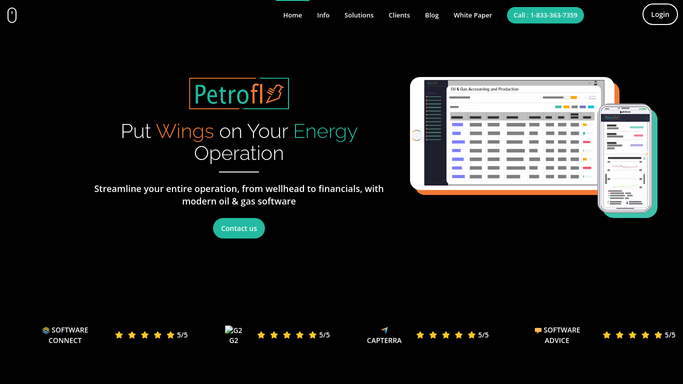
WebRun opens Petrofly to compare purchaser values against the booked revenue. - Open Petrofly and pull the booked volumes, prices, and deducts for the same wells and month
- Compare each well's purchaser value against the booked revenue
- Flag any well where volume, price, or net value differs beyond your tolerance
Done when Every well has been compared and any out-of-tolerance variance has been identified.
-
3
Slack - report the variances
slack.com How to Automate Slack

WebRun posts the month's purchaser revenue variances to the team in Slack. - Post the accounting team a short list of wells whose purchaser value does not tie to Petrofly
- Show the booked value, the purchaser value, and the difference for each
- Sort by the largest variance so the biggest gaps are chased first
Done when The team has this month's purchaser variance list in Slack.
How is each run configured?
Secure by default
Connect once, stays signed in
WebRun signs in once and keeps each session in a persistent environment, so every run picks up right where it left off.
Every action is checked against this policy before it runs.
Questions, answered
Does it change any booked revenue in Petrofly?
No. WebRun only reads the booked volumes and prices in Petrofly to compare them against the purchaser check. It never edits a booking; the team decides how to correct any variance it surfaces.
Is it safe to auto-post the variance list to Slack?
Yes. The variance list is an internal digest for your accounting team, so WebRun posts it to Slack on its own. Nothing goes to the purchaser or any owner, so there is nothing to approve.
How does it decide a well does not tie out?
It compares the purchaser's volume, price, and net value against what Petrofly booked and flags any well that differs beyond the tolerance you set, so small rounding does not create noise but real gaps stand out.
Related templates
Put this on autopilot.
Turn it on in minutes - or have our team set it up for you.