Remind your team before RSA SecurID tokens expire
Every Monday, WebRun opens RSA SecurID, checks every assigned token's expiration date, schedules a renewal reminder on the IT admin's Google Calendar for anything expiring within 30 days, and posts the full list to Microsoft Teams.
- No credit card
- Under $0.01 per run
- Cancel anytime
How do I make sure RSA SecurID tokens get renewed before they expire?
WebRun checks every RSA SecurID token's expiration date each Monday, schedules a renewal reminder on the IT admin's Google Calendar for anything expiring within 30 days, and posts the full expiring list to Microsoft Teams. It never reissues or revokes a token itself, so a lapsed hardware token never catches your team off guard.
- Expiring tokens get a calendar reminder a full month ahead
- IT works from one weekly list instead of checking RSA SecurID by hand
- Already renewed tokens drop off the list automatically
Built for IT admins · security teams · enterprise helpdesks · compliance officers
What does WebRun do on every run?
The exact actions WebRun takes, in order - in plain language, so you can adjust anything.
-
WebRun signs in and gets to work
Opens
www.rsa.comin a real browser with your saved login - no setup, no API keys. -
1
RSA SecurID - check token expiration dates
rsa.com
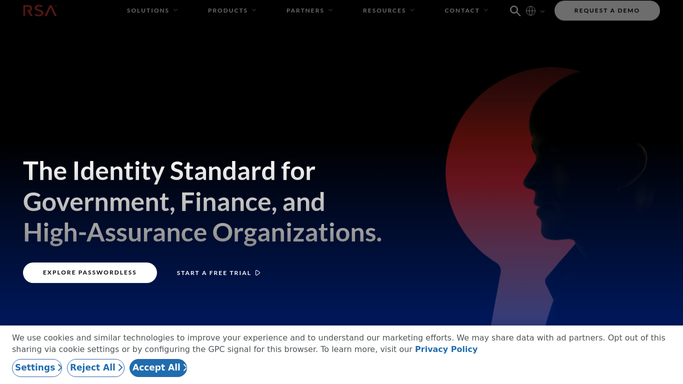
WebRun opens RSA SecurID to check token expiration dates. - Open RSA SecurID and list all assigned tokens
- Check the expiration date for each token
- Flag any token expiring within the next 30 days
Done when Every token expiring within 30 days has been listed with its holder.
-
2
Google Calendar - schedule a renewal reminder
calendar.google.com How to Automate Google Calendar
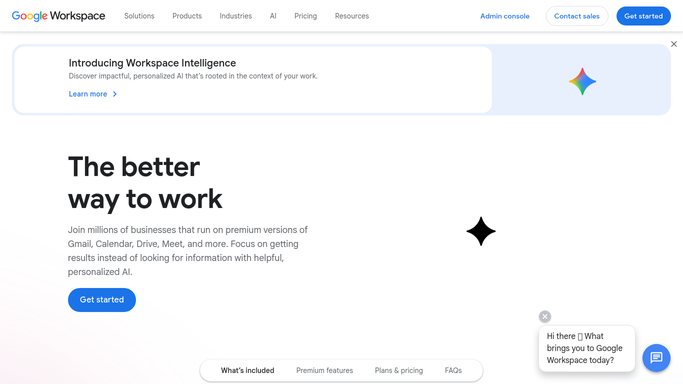
WebRun opens Google Calendar to schedule a renewal reminder. - Open the IT admin's Google Calendar
- Add a renewal reminder event dated one week before each token expires
- Include the token holder's name in the event
Done when Every expiring token has a renewal reminder on the calendar.
-
3
Microsoft Teams - post the expiring token list
microsoft.com How to Automate Microsoft Teams
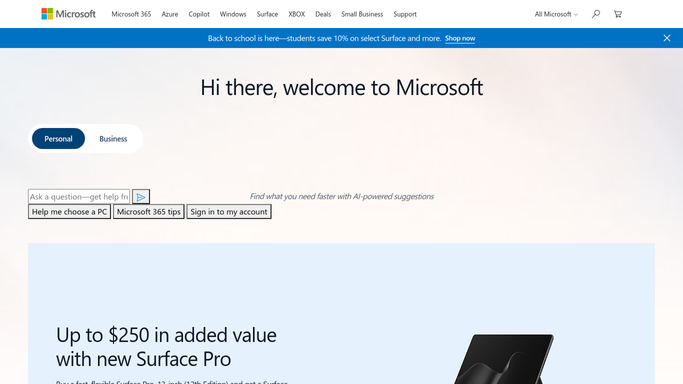
WebRun opens Microsoft Teams to post the expiring token list. - Post this week's expiring token list to the IT channel
- Sort by soonest expiration first
- Note which tokens already have a replacement requested
Done when IT has this week's expiring token list in Teams.
How is each run configured?
Secure by default
Connect once, stays signed in
WebRun signs in once and keeps each session in a persistent environment, so every run picks up right where it left off.
Every action is checked against this policy before it runs.
Questions, answered
Does WebRun reissue or reactivate a token itself?
No. WebRun only reports what is expiring. Reissuing, reactivating, or revoking a token is left for your IT admin to do in RSA SecurID.
What if a token was already renewed?
It checks RSA SecurID's live expiration data each Monday, so a token already renewed simply drops off that week's list.
Does WebRun see the token's one-time codes?
No. It only reads assignment and expiration data. It never sees, generates, or types the one-time codes a token produces.
Related templates
Put this on autopilot.
Turn it on in minutes - or have our team set it up for you.