Find the machines your sensor stopped protecting
Every Monday, WebRun opens CrowdStrike Falcon host management, lists every host whose sensor has not checked in recently or is running an old version, writes the findings into a Notion coverage register with the change since last week, and opens a Trello card for each machine that needs a person to act.
- No credit card
- Under $0.01 per run
- Cancel anytime
How do I find endpoints where the security sensor has stopped reporting?
WebRun audits your CrowdStrike Falcon coverage every Monday. It lists hosts whose sensor has stopped checking in or is running an outdated version, updates a Notion register with the week on week change, and opens a Trello card for each machine, so unprotected endpoints get fixed rather than forgotten.
- Unprotected machines surface in days instead of at audit time
- Every stale host gets a tracked, assigned card
- Repeat offenders stop hiding inside a long host list
Built for security teams · IT operations · managed service providers · compliance managers
What does WebRun do on every run?
The exact actions WebRun takes, in order - in plain language, so you can adjust anything.
-
WebRun signs in and gets to work
Opens
falcon.crowdstrike.comin a real browser with your saved login - no setup, no API keys. -
1
CrowdStrike - audit host sensor coverage
crowdstrike.com
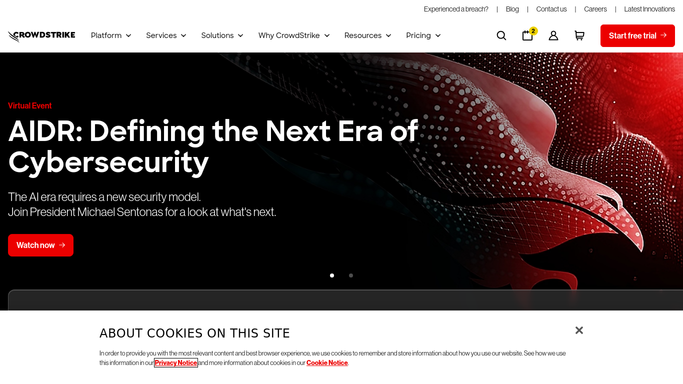
WebRun opens CrowdStrike to audit host sensor coverage. - Open Falcon and go to host management
- List hosts by last seen and flag anything that has not checked in for longer than your threshold
- Record the sensor version on each host and mark versions behind your current standard
- Note the host name, operating system, owner group, and last seen time for every flagged machine
Done when Every stale or out-of-date host is listed with its sensor version and last check-in.
-
2
Notion - update the coverage register
notion.so How to Automate Notion
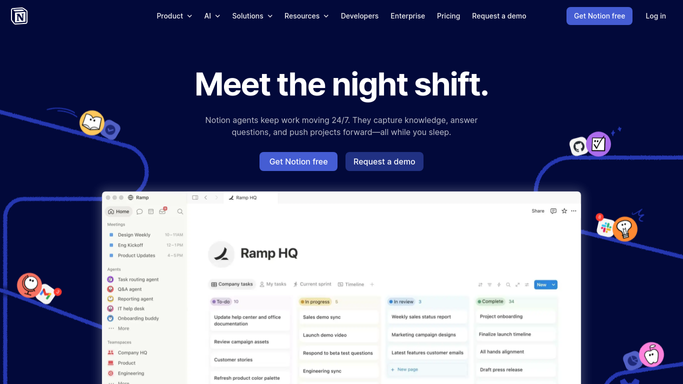
WebRun opens Notion to update the coverage register. - Open the sensor coverage database
- Add or update a row per flagged host with the sensor version, last seen time, and owner group
- Mark hosts that were flagged last week and are still flagged as repeat offenders
- Close out rows for hosts that have come back online
Done when The Notion register matches this week's Falcon host list.
-
3
Trello - raise a card for each host to fix
trello.com How to Automate Trello
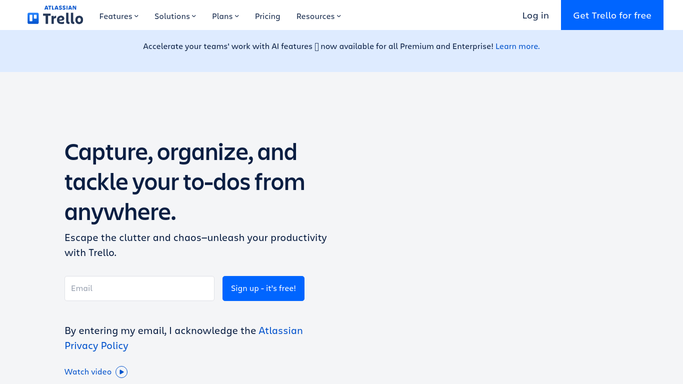
WebRun opens Trello to raise a card for each host to fix. - Open the IT remediation board
- Create a card for each newly flagged host with the machine name, the problem, and a link to the Notion row
- Put repeat offenders at the top of the list and label them
- Do not close or move existing cards. A person decides when a machine is fixed
Done when Every host needing action has a card on the remediation board.
How is each run configured?
Secure by default
Connect once, stays signed in
WebRun signs in once and keeps each session in a persistent environment, so every run picks up right where it left off.
Every action is checked against this policy before it runs.
Questions, answered
Will it change anything in Falcon?
No. WebRun reads your CrowdStrike host list and never contains a host, uninstalls a sensor, changes a policy, or deletes a record. Every action it takes happens in Notion and Trello.
Can it uninstall or reinstall a sensor for me?
No, and it should not. WebRun raises a Trello card naming the machine and the problem so an engineer decides what to do, because reinstalling a sensor on the wrong host takes a machine offline.
How does it decide a host is stale?
By the last seen time in Falcon against the threshold you set, commonly seven days. Anything quieter than that, plus anything on a sensor version behind your standard, is flagged.
Related templates
Put this on autopilot.
Turn it on in minutes - or have our team set it up for you.