How to Automate Twilio

Twilio is already an automation platform: Studio builds flows visually, Functions run code on events, and the APIs send messages and calls on command. The missing piece is usually the trigger, because the fact that should start the text lives in a system with no API at all.

Twilio is the plumbing behind the text you actually read

Twilio is the service behind an enormous amount of the messaging people receive without thinking about it. The text confirming an appointment. The code that logs you in. The call that gets routed to whoever is on shift. The reminder that stops somebody missing a delivery slot.

Businesses reach for it because phone numbers are the last channel that genuinely works. Email gets filtered, app notifications get switched off, but a text is read within minutes by almost everyone, including the customers who never installed anything.

It sits in a different place from most tools in an automation stack. It is not where work is tracked or decided. It is the last few inches, the bit that turns a fact somebody already knows into something arriving on a phone.

The message is easy, knowing when to send it is not

Sending a text through Twilio is a handful of lines. That has never been the hard part.

The hard part is the trigger. A reminder should go out when tomorrow's appointment is confirmed, and the confirmation lives in a scheduling system nobody can get data out of. A customer should be told their delivery slipped, and the only place that is visible is the courier's website. A chase text should follow an invoice going overdue, and the ledger is in an accounting package with no useful export.

So the message that gets sent is usually the one somebody remembered to send. The reminders that go out are the ones with a person behind them, and the ones that would have prevented a no-show quietly do not happen at all.

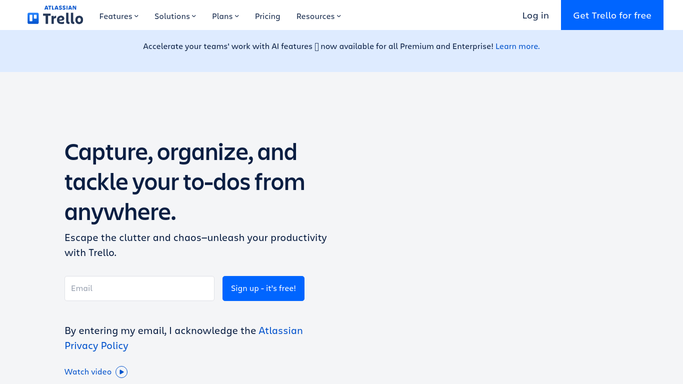
The twilio.com homepage, the app these three jobs run in. Twilio
Triggers from anywhere A text that fires because a portal changed, a delivery stalled or a payment failed, not because your own code noticed.
No integration required The booking system and the supplier portal never built an API. They can still start a message.
Customer messages stay supervised Texts reach real phones and cannot be recalled, so anything customer-facing waits for a person by default.

Studio and Functions run on events you can already see

Twilio is not a passive API, and it is worth knowing how much it does before adding anything to it.

Studio gives you a visual flow builder: an incoming message or call enters, and branches, waits, gathers input and sends replies without any code. Functions run small pieces of JavaScript on Twilio's own infrastructure when something happens. Messaging Services handle sender pools and compliance. Verify covers one-time passcodes. Webhooks push events to you the moment a message arrives or a call ends.

All of that is triggered by an event Twilio can see, or by a request your own software makes. That is the ceiling, and it is a reasonable one: Twilio is a communications platform, not a browser.

It means the constraint is upstream. If the system that knows the appointment moved cannot tell anyone, no amount of Studio will help, because the flow is waiting for a call that never comes.

The trigger can come from a system that has no API

A screen that changed is a signal, the same as a webhook is. All it lacks is something watching it.

Tomorrow's confirmed appointments, read out of a scheduling system that only shows them in a calendar view, turned into reminder texts the evening before. A delivery that has not moved in two days, spotted on the courier site, turned into a message that reaches the customer before they ring to complain.

An invoice that just tipped past thirty days in an accounting package with no export, turned into a polite chase. A part that finally came into stock at a supplier, turned into a text to the person who has been waiting for it.

The pattern is the same each time. Something in a browser changed, nobody was watching, and a phone should have buzzed.

One boundary matters more here than almost anywhere else. Texts and calls reach real people, cost money each time, and cannot be taken back. Anything going to a customer should be drafted and approved, or bounded by a rule narrow enough that you would be comfortable explaining it.

Watching a screen is a job for an agent

Twilio sends the instant it is told to, and the telling is still a person noticing that the appointment is tomorrow, the delivery has stalled or the invoice went past due.

WebRun is an agent that works a real Chrome browser, signed in as you. It opens the scheduling system, the courier site or the ledger, reads what is on the screen, and calls Twilio when what it finds meets the condition you set.

It runs on your schedule in your own private environment, and you can watch a run and stop it mid-way. Anything that would text a customer drafts and waits unless you have deliberately said otherwise.

The workflows below are already built, and each one shows the steps it takes.

Questions people ask

Does this replace Twilio Studio?

No, it feeds it. Studio is good at what happens once a flow starts. This is about starting the flow from something happening in a system that has no way to call Twilio on its own.

Could it send hundreds of texts by mistake?

Each workflow has a bounded list to act on and a limit you set. Customer-facing messages default to drafting for approval, and you can watch a run and stop it before anything goes out.

Do we still need Twilio credentials and a number?

Yes. This does not replace your Twilio account. It decides when a message should go, using facts from systems Twilio cannot see, and your existing number and messaging service send it.

1,692 ready-made Twilio workflows

Each one names the apps it touches and the exact steps it takes. Open one to read what it will do, then turn it on.

Automated Appointment No-Show Rebooking
Every morning, WebRun reads your GoHighLevel calendars for unconfirmed appointments and yesterday's no-shows, drafts each message in Twilio, and logs the day in Notion.
GoHighLevelNotionTwilio
Automated GMX Spam Folder Rescue
Every morning, WebRun reads your GMX spam folder, lists the messages that look genuine with sender and subject, suggests a rule for each sender, and texts you when something important is stuck.
GMXMicrosoft TeamsTwilio
Automated GitBook Docs Content Gap Report
Every Monday, WebRun reads what readers searched in your GitBook docs, finds the queries that returned little or nothing, and opens a card per missing page.
GitBookTrelloTwilio
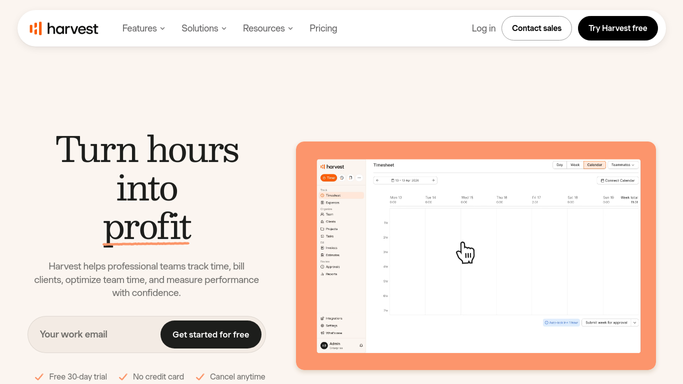
Automatic Harvest Project Budget Alerts
Every morning, WebRun compares tracked hours against each Harvest project budget, posts the projects past your threshold to Microsoft Teams, and texts the lead when one is about to overrun.
HarvestTwilioMicrosoft Teams
Automated Geico Claim Status Tracking
Every morning, WebRun checks each open Geico claim, notes what it is waiting on and how long it has sat there, texts you through Twilio, and sends the full tracker to Telegram.
GeicoTwilioTelegram
Automated Freshservice Contract Renewal Alerts
Every morning, WebRun reads your Freshservice contracts and licences, finds what expires or auto renews soon, and posts the watchlist to Telegram.
FreshserviceTwilioTelegram
Automated Framer Pre-Publish Site Checks
Every Monday, WebRun opens Framer, walks each page for a missing title or description, an empty CMS entry or a broken link, posts the fix list to Slack, and texts the designer the blockers.
FramerSlackTwilio
Automated Fortnox Supplier Invoice Queue
Every morning, WebRun opens Fortnox, lists the supplier invoices still waiting on an approver, writes the queue into Notion by due date, and texts the finance lead through Twilio.
FortnoxNotionTwilio
Automated Fortinet Firmware Advisory Checks
Every Monday, WebRun compares newly published Fortinet advisories and firmware releases against your registered devices, sends the patch list to Telegram, and texts you the critical ones.
FortinetTelegramTwilio
Automated Formstack Signature Chasing
Every morning, WebRun lists the Formstack documents still unsigned, drafts a reminder per signer for your approval, and posts the aged list to your team channel.
FormstackTwilioMicrosoft Teams
Automated Flutterwave Failed Transfer Queue
Every hour, WebRun checks Flutterwave for transfers that failed or stalled, posts the queue with each reason to Telegram, and texts the operations lead through Twilio.
FlutterwaveTelegramTwilio
Automated FlexJobs Profile and Alert Tune Up
Every Monday, WebRun reviews your FlexJobs profile, resume, and saved searches, works out what has gone stale, and sends you a short tune up checklist by text and Telegram.
FlexJobsTwilioTelegram
Automated Fivetran Schema Change Review
Every morning, WebRun reads your Fivetran connector schemas, lists the tables and columns that appeared or changed overnight, logs them in a Google Sheet, and texts you the ones worth blocking.
FivetranGoogle SheetsTwilio
Automated Fireflies Competitor Mention Report
Every Monday, WebRun reads last week's Fireflies.ai transcripts, counts every competitor and objection mentioned, logs the tally in Airtable, and texts you the headline.
Fireflies.aiAirtableTwilio
Automated Figma Dev Handoff Queue
Every morning, WebRun finds Figma frames newly marked ready for development, posts them with links to Microsoft Teams, and texts the engineering lead through Twilio.
FigmaMicrosoft TeamsTwilio
Automated Expensify Policy Violation Sweep
Every morning, WebRun reads the violations flagged on Expensify expenses, drafts a Twilio SMS to each submitter for your approval, and sends finance the summary on WhatsApp.
ExpensifyTwilioWhatsApp
Automated ESET Device and Seat Inventory
Every Monday, WebRun compares the devices on your ESET account against the seats you pay for, records the inventory in Airtable, and texts you the seats worth freeing.
ESETAirtableTwilio
Automated Music Licence Coverage Checks
Every Monday, WebRun checks which of your channels are connected to your Epidemic Sound subscription, posts the gaps to Microsoft Teams, and texts you via Twilio.
Epidemic SoundTwilioMicrosoft Teams
Automated eM Client Daily Agenda Digest
Every morning, WebRun reads your eM Client calendar and task list and sends today's meetings, due tasks, and who you are meeting to Telegram and your phone.
eM ClientTelegramTwilio
Automated Emarsys Program Health Checks
Every morning, WebRun checks your Emarsys automation programs for anything stopped, erroring, or feeding on an empty segment, and posts the health list to Telegram.
EmarsysTwilioTelegram
Automated eDesk Marketplace Feedback Requests
Every morning, WebRun finds eDesk orders that were delivered without a single problem, queues a feedback request in Twilio for you to approve, and sends the shortlist to Telegram.
eDeskTwilioTelegram
Automated e-conomic VAT Period Prep
Every Monday, WebRun counts down to your e-conomic VAT deadline, lists the draft entries still unposted for the period, sends the summary to Telegram, and texts you as it gets close.
e-conomicTelegramTwilio
Automated EA Account Security Review
Every Monday, WebRun reads your EA account settings, checks login verification and the linked platform accounts, texts you through Twilio, and posts the review to Microsoft Teams.
EATwilioMicrosoft Teams
Automated DocSend Data Room Version Checks
Every Monday, WebRun checks every document in your DocSend spaces against the file you now treat as current, posts the stale ones to Slack, and texts the deal owner through Twilio.
DocSendSlackTwilio

Want one of these running on your own Twilio?

Show WebRun the process once and it will run it on schedule, in your own private browser environment.