How to Automate Twilio

Twilio is already an automation platform: Studio builds flows visually, Functions run code on events, and the APIs send messages and calls on command. The missing piece is usually the trigger, because the fact that should start the text lives in a system with no API at all.

Twilio is the plumbing behind the text you actually read

Twilio is the service behind an enormous amount of the messaging people receive without thinking about it. The text confirming an appointment. The code that logs you in. The call that gets routed to whoever is on shift. The reminder that stops somebody missing a delivery slot.

Businesses reach for it because phone numbers are the last channel that genuinely works. Email gets filtered, app notifications get switched off, but a text is read within minutes by almost everyone, including the customers who never installed anything.

It sits in a different place from most tools in an automation stack. It is not where work is tracked or decided. It is the last few inches, the bit that turns a fact somebody already knows into something arriving on a phone.

The message is easy, knowing when to send it is not

Sending a text through Twilio is a handful of lines. That has never been the hard part.

The hard part is the trigger. A reminder should go out when tomorrow's appointment is confirmed, and the confirmation lives in a scheduling system nobody can get data out of. A customer should be told their delivery slipped, and the only place that is visible is the courier's website. A chase text should follow an invoice going overdue, and the ledger is in an accounting package with no useful export.

So the message that gets sent is usually the one somebody remembered to send. The reminders that go out are the ones with a person behind them, and the ones that would have prevented a no-show quietly do not happen at all.

The twilio.com homepage, the app these three jobs run in. Twilio
Triggers from anywhere A text that fires because a portal changed, a delivery stalled or a payment failed, not because your own code noticed.
No integration required The booking system and the supplier portal never built an API. They can still start a message.
Customer messages stay supervised Texts reach real phones and cannot be recalled, so anything customer-facing waits for a person by default.

Studio and Functions run on events you can already see

Twilio is not a passive API, and it is worth knowing how much it does before adding anything to it.

Studio gives you a visual flow builder: an incoming message or call enters, and branches, waits, gathers input and sends replies without any code. Functions run small pieces of JavaScript on Twilio's own infrastructure when something happens. Messaging Services handle sender pools and compliance. Verify covers one-time passcodes. Webhooks push events to you the moment a message arrives or a call ends.

All of that is triggered by an event Twilio can see, or by a request your own software makes. That is the ceiling, and it is a reasonable one: Twilio is a communications platform, not a browser.

It means the constraint is upstream. If the system that knows the appointment moved cannot tell anyone, no amount of Studio will help, because the flow is waiting for a call that never comes.

The trigger can come from a system that has no API

A screen that changed is a signal, the same as a webhook is. All it lacks is something watching it.

Tomorrow's confirmed appointments, read out of a scheduling system that only shows them in a calendar view, turned into reminder texts the evening before. A delivery that has not moved in two days, spotted on the courier site, turned into a message that reaches the customer before they ring to complain.

An invoice that just tipped past thirty days in an accounting package with no export, turned into a polite chase. A part that finally came into stock at a supplier, turned into a text to the person who has been waiting for it.

The pattern is the same each time. Something in a browser changed, nobody was watching, and a phone should have buzzed.

One boundary matters more here than almost anywhere else. Texts and calls reach real people, cost money each time, and cannot be taken back. Anything going to a customer should be drafted and approved, or bounded by a rule narrow enough that you would be comfortable explaining it.

Watching a screen is a job for an agent

Twilio sends the instant it is told to, and the telling is still a person noticing that the appointment is tomorrow, the delivery has stalled or the invoice went past due.

WebRun is an agent that works a real Chrome browser, signed in as you. It opens the scheduling system, the courier site or the ledger, reads what is on the screen, and calls Twilio when what it finds meets the condition you set.

It runs on your schedule in your own private environment, and you can watch a run and stop it mid-way. Anything that would text a customer drafts and waits unless you have deliberately said otherwise.

The workflows below are already built, and each one shows the steps it takes.

Questions people ask

Does this replace Twilio Studio?

No, it feeds it. Studio is good at what happens once a flow starts. This is about starting the flow from something happening in a system that has no way to call Twilio on its own.

Could it send hundreds of texts by mistake?

Each workflow has a bounded list to act on and a limit you set. Customer-facing messages default to drafting for approval, and you can watch a run and stop it before anything goes out.

Do we still need Twilio credentials and a number?

Yes. This does not replace your Twilio account. It decides when a message should go, using facts from systems Twilio cannot see, and your existing number and messaging service send it.

1,692 ready-made Twilio workflows

Each one names the apps it touches and the exact steps it takes. Open one to read what it will do, then turn it on.
Automated CXone Abandoned Call Callbacks
Every morning, WebRun pulls yesterday's abandoned calls from NICE CXone, opens a callback card in Trello for each one, and drafts a Twilio text so an agent can win the customer back.
NICE CXoneTrelloTwilio
Automated MYOB Overdue Invoice Chasing
Every Monday, WebRun pulls your overdue MYOB invoices, queues a polite SMS reminder in Twilio for you to approve, and posts the chase list to Slack.
MYOBSlackTwilio
Automated Microsoft To Do Overdue Alerts
Every evening, WebRun opens Microsoft To Do, finds tasks past their due date, texts you the urgent ones through Twilio, and posts the full overdue list to Telegram.
Microsoft To DoTwilioTelegram
Automated Dynamics 365 Stale Deal Alerts
Every morning, WebRun finds Dynamics 365 opportunities with no activity for weeks, alerts the owner on Telegram, and queues a short check-in text in Twilio for approval.
Microsoft Dynamics 365TelegramTwilio
Automated MEGA Backup Verification
Every morning, WebRun checks that each MEGA backup folder received last night's files and that storage is not running out, posts the result to Telegram, and queues a Twilio text when a backup is missing.
MEGATwilioTelegram
Automated MediaFire Backup Verification
Every Monday, WebRun checks that each expected file reached MediaFire, ticks off the Trello backup checklist, and queues an SMS when something is missing.
MediaFireTwilioTrello
Automated Mailjet Bounce Rate Monitoring
After every Mailjet campaign, WebRun reads the bounce, spam and unsubscribe numbers, logs them in Notion, and texts you if a send goes wrong.
MailjetNotionTwilio
Automated Mailgun Deliverability Alerts
Every morning, WebRun opens Mailgun, compares yesterday's delivered, bounce, and complaint rates against your normal range, posts the read to Microsoft Teams, and texts you when a sending domain spikes.
MailgunTwilioMicrosoft Teams
Automated Lusha Credit Balance Alerts
Every morning, WebRun reads your Lusha credit balance and usage by user, records the burn rate in Notion, and texts your admin through Twilio when the balance drops below your limit.
LushaNotionTwilio
Automated Lucidchart Stale Diagram Chasing
Every Monday, WebRun finds Lucidchart documents nobody has touched in months, queues a short SMS nudge to each owner for your approval, and posts the stale list to Telegram.
LucidchartTwilioTelegram
Automated Lowe's Price and Stock Tracking
Every morning, WebRun checks the price and store availability of the Lowe's items you buy most, drafts the buying update in Gmail, and queues a text to the crew when something is out of stock.
Lowe'sGmailTwilio
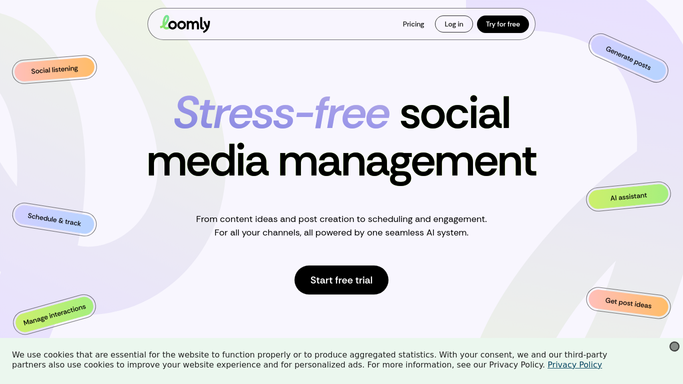
Automated Loomly Content Calendar Gap Check
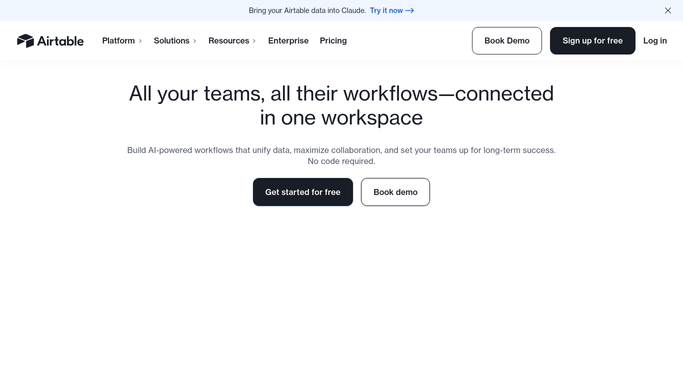
Every Monday, WebRun reads next week's Loomly calendar, logs the planned posts per channel in Airtable, and texts you when a day or a channel has nothing scheduled.
LoomlyAirtableTwilio
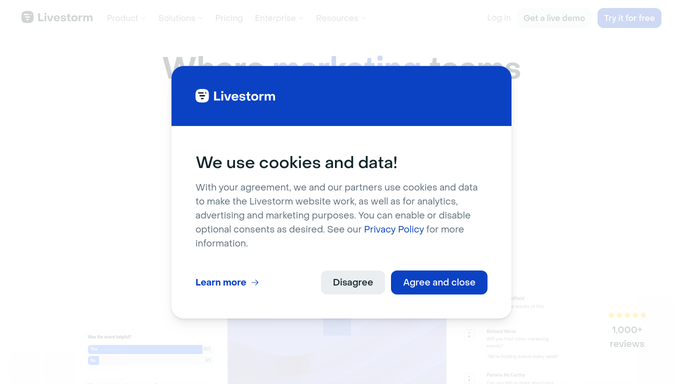
Automated Livestorm Registrant Reminders
Every afternoon, WebRun checks tomorrow's Livestorm sessions, queues an SMS reminder for each registrant, and posts the host a headcount in Slack.
LivestormSlackTwilio
Automated Lemlist Reply Routing
Through the day, WebRun reads new lemlist replies, separates the interested ones from bounces and opt-outs, texts the owning rep, and posts the lead to Teams.
LemlistTwilioMicrosoft Teams
Automated Lazada Low Stock Alerts
Every morning, WebRun checks stock levels in Lazada Seller Center, posts a low-stock list to Telegram, and queues an SMS to your warehouse lead for the urgent ones.
LazadaTwilioTelegram
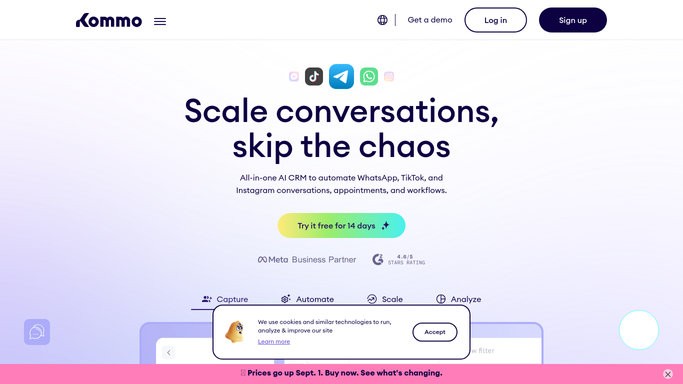
Automated Kommo New Lead Follow-Up
Every few minutes, WebRun checks Kommo for leads that just landed, drafts a Twilio SMS for the owning rep to approve, and pings the sales group on Telegram so nobody waits.
KommoTwilioTelegram
Automated Klaviyo Campaign Performance Digest
Every morning, WebRun reads yesterday's Klaviyo campaign and flow numbers, checks Twilio for failed texts, and sends you one Telegram digest with anything that needs fixing.
KlaviyoTwilioTelegram
Automated Kinsta Site Audit Reports
Every Monday, WebRun checks each site in MyKinsta for backup age, PHP version, SSL expiry and disk use, writes the audit into Notion, and queues an SMS when something is critical.
KinstaNotionTwilio
Automated Khoros Response Time Reporting
Every Monday, WebRun pulls last week's Khoros response and volume figures, saves a scorecard to Google Drive, and texts you the headline numbers.
KhorosGoogle DriveTwilio
Automated Kaspersky Licence Expiry Alerts
Every Monday, WebRun checks My Kaspersky for licences expiring soon and devices that stopped reporting, opens a Trello card per device, and queues a Twilio SMS when protection actually lapses.
KasperskyTwilioTrello
Automated Jooble Job Post Performance Report
Every Monday, WebRun checks how each of your Jooble job posts performed last week, posts the scorecard to Slack, and texts the recruiter when a role gets no applications.
JoobleSlackTwilio
Automated JD.com Low Stock Alerts
Every morning, WebRun checks stock levels in your JD.com seller account, texts you the products about to run dry, and opens a Trello reorder card for each one so nothing goes out of stock quietly.
JD.comTwilioTrello
Automated IONOS Domain Expiry Alerts
Every morning, WebRun checks your IONOS domains, SSL certificates and hosting plans for upcoming renewal dates, posts the list to Microsoft Teams, and texts you when one is inside 7 days.
IONOSTwilioMicrosoft Teams
Automated IBKR Margin Cushion Alerts
Every morning, WebRun reads your Interactive Brokers account balances and margin figures, posts the numbers to Slack, and texts you through Twilio when the cushion drops under the level you set.
Interactive BrokersSlackTwilio

Want one of these running on your own Twilio?

Show WebRun the process once and it will run it on schedule, in your own private browser environment.