How to Automate Twilio

Twilio is already an automation platform: Studio builds flows visually, Functions run code on events, and the APIs send messages and calls on command. The missing piece is usually the trigger, because the fact that should start the text lives in a system with no API at all.

Twilio is the plumbing behind the text you actually read

Twilio is the service behind an enormous amount of the messaging people receive without thinking about it. The text confirming an appointment. The code that logs you in. The call that gets routed to whoever is on shift. The reminder that stops somebody missing a delivery slot.

Businesses reach for it because phone numbers are the last channel that genuinely works. Email gets filtered, app notifications get switched off, but a text is read within minutes by almost everyone, including the customers who never installed anything.

It sits in a different place from most tools in an automation stack. It is not where work is tracked or decided. It is the last few inches, the bit that turns a fact somebody already knows into something arriving on a phone.

The message is easy, knowing when to send it is not

Sending a text through Twilio is a handful of lines. That has never been the hard part.

The hard part is the trigger. A reminder should go out when tomorrow's appointment is confirmed, and the confirmation lives in a scheduling system nobody can get data out of. A customer should be told their delivery slipped, and the only place that is visible is the courier's website. A chase text should follow an invoice going overdue, and the ledger is in an accounting package with no useful export.

So the message that gets sent is usually the one somebody remembered to send. The reminders that go out are the ones with a person behind them, and the ones that would have prevented a no-show quietly do not happen at all.

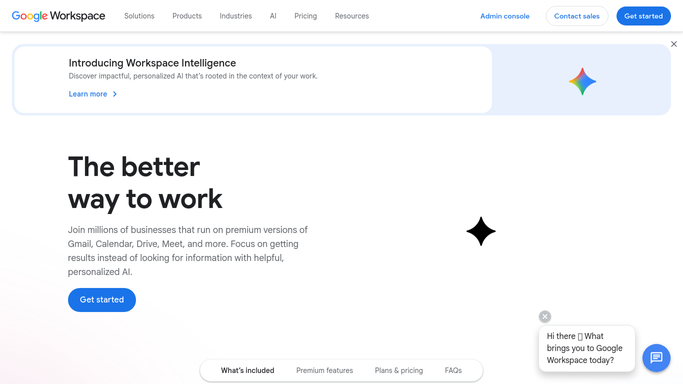
The twilio.com homepage, the app these three jobs run in. Twilio
Triggers from anywhere A text that fires because a portal changed, a delivery stalled or a payment failed, not because your own code noticed.
No integration required The booking system and the supplier portal never built an API. They can still start a message.
Customer messages stay supervised Texts reach real phones and cannot be recalled, so anything customer-facing waits for a person by default.

Studio and Functions run on events you can already see

Twilio is not a passive API, and it is worth knowing how much it does before adding anything to it.

Studio gives you a visual flow builder: an incoming message or call enters, and branches, waits, gathers input and sends replies without any code. Functions run small pieces of JavaScript on Twilio's own infrastructure when something happens. Messaging Services handle sender pools and compliance. Verify covers one-time passcodes. Webhooks push events to you the moment a message arrives or a call ends.

All of that is triggered by an event Twilio can see, or by a request your own software makes. That is the ceiling, and it is a reasonable one: Twilio is a communications platform, not a browser.

It means the constraint is upstream. If the system that knows the appointment moved cannot tell anyone, no amount of Studio will help, because the flow is waiting for a call that never comes.

The trigger can come from a system that has no API

A screen that changed is a signal, the same as a webhook is. All it lacks is something watching it.

Tomorrow's confirmed appointments, read out of a scheduling system that only shows them in a calendar view, turned into reminder texts the evening before. A delivery that has not moved in two days, spotted on the courier site, turned into a message that reaches the customer before they ring to complain.

An invoice that just tipped past thirty days in an accounting package with no export, turned into a polite chase. A part that finally came into stock at a supplier, turned into a text to the person who has been waiting for it.

The pattern is the same each time. Something in a browser changed, nobody was watching, and a phone should have buzzed.

One boundary matters more here than almost anywhere else. Texts and calls reach real people, cost money each time, and cannot be taken back. Anything going to a customer should be drafted and approved, or bounded by a rule narrow enough that you would be comfortable explaining it.

Watching a screen is a job for an agent

Twilio sends the instant it is told to, and the telling is still a person noticing that the appointment is tomorrow, the delivery has stalled or the invoice went past due.

WebRun is an AI agent that works a real Chrome browser, signed in as you. It opens the scheduling system, the courier site or the ledger, reads what is on the screen, and calls Twilio when what it finds meets the condition you set.

It runs on your schedule in your own private environment, and you can watch a run and stop it mid-way. Anything that would text a customer drafts and waits unless you have deliberately said otherwise.

The workflows below are already built, and each one shows the steps it takes.

Questions people ask

Does this replace Twilio Studio?

No, it feeds it. Studio is good at what happens once a flow starts. This is about starting the flow from something happening in a system that has no way to call Twilio on its own.

Could it send hundreds of texts by mistake?

Each workflow has a bounded list to act on and a limit you set. Customer-facing messages default to drafting for approval, and you can watch a run and stop it before anything goes out.

Do we still need Twilio credentials and a number?

Yes. This does not replace your Twilio account. It decides when a message should go, using facts from systems Twilio cannot see, and your existing number and messaging service send it.

1,692 ready-made Twilio workflows

Each one names the apps it touches and the exact steps it takes. Open one to read what it will do, then turn it on.


Automated Pilot Monthly Close Handoff
When Pilot finishes categorizing last month's transactions, WebRun saves the summary and any items flagged needs review to Google Drive, and drafts a Twilio text letting the founder know the books are ready.
PilotTwilioGoogle Drive
Automated PicsArt Content Export Backup
Every day, WebRun checks PicsArt for finished graphics, archives them to Google Drive, and texts the social manager a confirmation.
PicsArtGoogle DriveTwilio
Automated Percona Database Health Alerts
Every few minutes, WebRun checks your Percona Monitoring and Management dashboards for replication lag or slow query alerts crossing the threshold you set, texts the on-call DBA through Twilio, and saves the alert detail to Google Drive so there is a record to open right away.
PerconaTwilioGoogle Drive
OVHcloud Automated Renewal Alerts
Every week, WebRun checks renewal dates across your OVHcloud servers and domains, posts the full list to Telegram, and texts you through Twilio when one is due within 7 days.
OVHcloudTelegramTwilio
Automated Ordoro Low Stock Reorder Drafts
Every morning, WebRun checks Ordoro for SKUs below their reorder point, texts the warehouse manager through Twilio, and drafts a purchase order in Google Drive for review.
OrdoroTwilioGoogle Drive
Automated OneStream Close Task Chasing
Every day during close, WebRun opens OneStream, finds close tasks and certifications not yet submitted, posts the outstanding list to Telegram, and texts the controller through Twilio once the deadline is within 24 hours so nothing slips past close.
OneStreamTelegramTwilio
Automated OKX Daily Portfolio Digest
Every morning, WebRun reads your OKX spot and futures balances plus perpetual funding rates, texts you a short digest, and archives the full breakdown to Google Drive so you keep a daily record.
OKXTwilioGoogle Drive
Automated Office Depot Supply Reorder Drafts
Every Monday, WebRun checks your Office Depot order history against your standing supply list, drafts the reorder cart, posts it to Telegram, and texts the office manager through Twilio for approval.
Office DepotTelegramTwilio
Automated Nordstrom Return Deadline Reminders
WebRun checks your recent Nordstrom orders every week, logs each return deadline to a tracker, and texts you a reminder for anything closing within 5 days.
NordstromGoogle DriveTwilio
Automated Netcup Renewal Reminders
WebRun checks your Netcup contracts for upcoming renewal dates, texts you through Twilio before each one, and logs the full list to Google Drive.
NetcupTwilioGoogle Drive
Automated Nansen Smart Money Alerts
WebRun checks Nansen every hour for notable Smart Money wallet activity on the tokens you track, saves a dated log to Google Drive, and texts you through Twilio when the activity crosses your set size.
NansenTwilioGoogle Drive
Automated Myntra Return Rate Spike Alerts
WebRun checks your Myntra Partner Hub return rates by SKU every week, posts the summary to Telegram, and texts your ops lead the same day if any SKU's returns double.
MyntraTelegramTwilio
Automated MyFonts License Renewal Reminders
Every week, WebRun checks your MyFonts licenses for terms nearing expiry, posts a reminder to Telegram, and texts the design lead when one is close.
MyFontsTelegramTwilio
Automated Modal Daily Job Digest
WebRun reads how your Modal functions and jobs ran overnight, posts a daily digest to Telegram, and texts you through Twilio if a job failed.
ModalTelegramTwilio
Automated Mend Critical Vulnerability Text Alerts
WebRun watches your Mend dependency scans, and when a new critical severity vulnerability is found, it texts the security lead and archives the full finding to Google Drive.
MendTwilioGoogle Drive
Automated MediaMarkt Price Drop Alerts
Every morning, WebRun checks MediaMarkt for price drops and restocks on your watchlist, texts you through Twilio, and archives the price history to Google Drive.
MediaMarktTwilioGoogle Drive
Automated M1 Finance Pie Drift Digest
Every week, WebRun reads your M1 Finance Pie allocation against your target percentages, texts you a drift summary, and archives a snapshot of the full Pie breakdown to Google Drive.
M1 FinanceTwilioGoogle Drive
Automated Luno Daily Portfolio Digest
Every morning, WebRun checks your Luno balances and their local currency value, sends you a Telegram digest, and texts you through Twilio only if a balance moves sharply overnight.
LunoTelegramTwilio
Automated Linnworks Low Stock Alerts
Every hour, WebRun checks Linnworks for SKUs nearing their reorder point across all connected channels, posts the low stock list to Telegram, and texts the warehouse manager through Twilio for anything critical.
LinnworksTelegramTwilio
Automated Launchpad Untriaged Bug Chase List
WebRun reviews open Launchpad bugs every morning, posts a Telegram digest of ones still untriaged after three days, and texts the maintainer for anything critical left untouched for a week.
LaunchpadTelegramTwilio
Automated Krita Artwork File Backups
Every Friday, WebRun checks the studio's Krita project folder for artwork changed that week, archives copies to Google Drive, and texts a confirmation once done.
KritaGoogle DriveTwilio
Automated Kraken Withdrawal Activity Alerts
WebRun checks your Kraken account activity every hour, and the moment it sees a new withdrawal, a new withdrawal address, or a new device login, sends you a Telegram message and a text so you can verify it was really you.
KrakenTelegramTwilio
Automated Koyeb Deploy Failure Alerts
WebRun watches your Koyeb services for failed builds and deploys, texts the on-call engineer through Twilio, and logs the failure details to Google Drive.
KoyebTwilioGoogle Drive
Automated Kochava Spend Anomaly Alerts
Every hour, WebRun checks your Kochava campaigns for a sudden spend spike or a fraud flag rate above the threshold you set, texts the on-call marketing ops lead through Twilio the moment one appears, and saves the flagged campaign report to Google Drive.
KochavaTwilioGoogle Drive

Want one of these running on your own Twilio?

Show WebRun the process once and it will run it on schedule, in your own private browser environment.