Automated Splunk Weekly Alert Reviews
Every Monday, WebRun opens Splunk, reads the alerts that fired over the past seven days, groups them by saved search and host, records the counts and the repeat offenders in an Airtable trend base, and writes a ready-to-read review page in Notion showing what fired most, what is new, and what has gone quiet.
How do I run a weekly review of my Splunk alerts?
WebRun reviews a full week of Splunk alerts every Monday, grouping them by saved search and host and counting how often each fired. It records the counts and a four-week trend in Airtable, then writes a Notion review page naming the loudest alerts and the tuning candidates for your ops meeting.
- The ops review is written before the meeting starts, every week
- Noisy alerts are named with counts instead of argued about from memory
- Four-week trends show whether tuning actually worked
Built for site reliability engineers · security operations · IT operations teams · platform engineers
What does WebRun do on every run?
The exact actions WebRun takes, in order - in plain language, so you can adjust anything.
-
WebRun signs in and gets to work
Opens
splunk.comin a real browser with your saved login - no setup, no API keys. -
1
Splunk - review the week's alerts
splunk.com

WebRun opens Splunk to review the week's alerts. - Open Splunk and list the alerts that fired in the last seven days
- Group them by saved search, severity, and originating host
- Count how many times each alert fired and how many distinct hosts it touched
- Note which alerts are new this week and which fired every single day
Done when Every alert from the past week is grouped and counted.
-
2
Airtable - record the weekly counts
airtable.com
WebRun opens Airtable to record the weekly counts. - Open your alert trend base in Airtable
- Add a row per alert with this week's fire count, host count, and severity
- Compare each count against the previous four weeks and mark the direction of travel
- Tag alerts firing more than your noise threshold as tuning candidates
Done when This week's counts are recorded with a trend against the last four weeks.
-
3
Notion - write the review page
notion.so
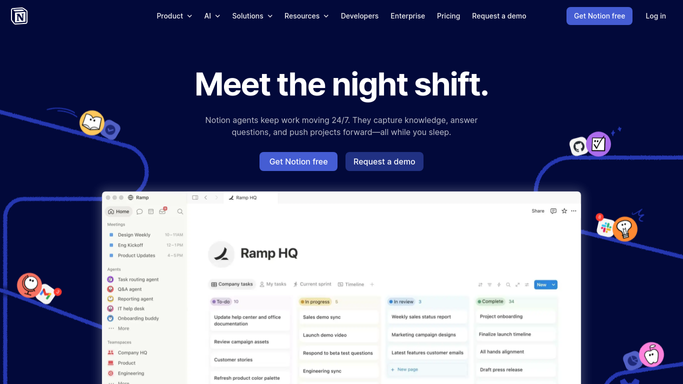
WebRun opens Notion to write the review page. - Create this week's review page in your ops Notion space
- Open with the three loudest alerts and the hosts behind them
- List new alerts, alerts that stopped firing, and the tuning candidates
- Leave a decisions section empty for the team to fill during the meeting
Done when The ops team has a written review page in Notion before the meeting.
How is each run configured?
Secure by default
Connect once, stays signed in
WebRun signs in once and keeps each session in a persistent environment, so every run picks up right where it left off.
Every action is checked against this policy before it runs.
Questions, answered
Will it disable or edit noisy alerts in Splunk?
No. WebRun only reads alert history. Tuning a saved search, changing a threshold, or disabling an alert is proposed on the Notion page and done by an engineer who decides it is right.
Does it run searches that could load the cluster?
It reads the alert and triggered-alerts views rather than launching heavy ad hoc searches, and it runs once a week at a time you choose, so the load stays predictable.
What if an alert fired thousands of times?
It is grouped into one row with the total count and host spread, and tagged as a tuning candidate, so a single noisy search never buries the rest of the review.
Related templates
Put this on autopilot.
Turn it on in minutes - or have our team set it up for you.