Automated Lucidchart Sharing Audits
Every Monday, WebRun opens Lucidchart, walks the documents in your team folders, reads the sharing setting on each one, and flags anything shared with anyone who has the link or shared outside your domain, posting the list to Slack and briefing the security owner in Microsoft Teams.
How do I find Lucidchart diagrams that are shared publicly?
WebRun opens Lucidchart every Monday, walks the documents in your team folders, and reads the sharing setting on each one. It posts anything shared by link, published to the web, or shared outside your domain to Slack with the owner named, then briefs the security owner in Microsoft Teams.
- Publicly shared diagrams are found weekly, not during an incident
- Every finding carries the document owner's name
- Sharing changes stay in human hands
Built for IT administrators · security teams · operations managers · compliance leads
What does WebRun do on every run?
The exact actions WebRun takes, in order - in plain language, so you can adjust anything.
-
WebRun signs in and gets to work
Opens
lucidchart.comin a real browser with your saved login - no setup, no API keys. -
1
Lucidchart - check sharing on every document
lucidchart.com
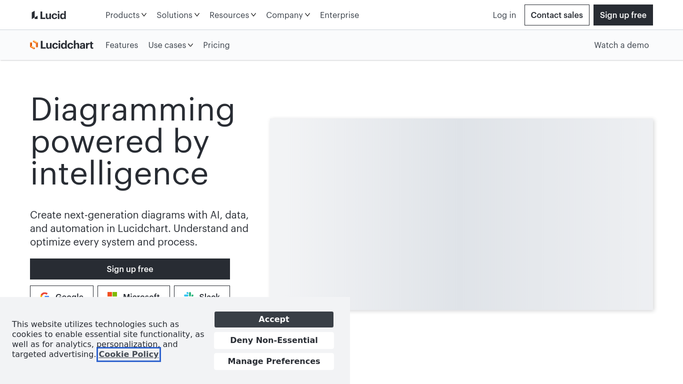
WebRun opens Lucidchart to check sharing on every document. - Open Lucidchart and walk the documents in your team folders
- Read the sharing setting on each document and note who has access
- Flag anything set to anyone with the link, published to the web, or shared with an address outside your domain, and record the document owner and last edit date
Done when Every document has been checked and each externally reachable one is recorded with its owner.
-
2
Slack - post the exposure list
slack.com

WebRun opens Slack to post the exposure list. - Post the exposure list to your workspace operations channel
- Show the document name, its sharing setting, the owner, and when it was last edited
- Separate documents that are genuinely meant to be public from the ones that look accidental
Done when The exposure list is in the operations channel with owners named.
-
3
Microsoft Teams - brief the security owner
microsoft.com
WebRun opens Microsoft Teams to brief the security owner. - Brief the security owner with the count of newly exposed documents and what changed since last week
- Highlight anything containing architecture, credentials, or customer names in the title
- Leave every sharing change to a human. WebRun never revokes access or edits a permission
Done when The security owner has this week's brief with the week-on-week change.
How is each run configured?
Secure by default
Connect once, stays signed in
WebRun signs in once and keeps each session in a persistent environment, so every run picks up right where it left off.
Every action is checked against this policy before it runs.
Questions, answered
Will it change sharing settings itself?
No. WebRun reads permissions and reports them. Revoking a link, removing a collaborator, or unpublishing a document stays with a human, so no colleague loses access because an audit ran.
What counts as exposed?
Three settings: shared with anyone who has the link, published to the web, and shared with an email address outside your domain. Documents you have marked as intentionally public are listed separately.
Does it read the contents of my diagrams?
It reads document titles, owners, and sharing settings. It flags titles mentioning architecture, credentials, or customer names as higher priority, but the audit is about access, not content.
Related templates
Put this on autopilot.
Turn it on in minutes - or have our team set it up for you.