Automated Auth0 Suspicious Login Alerts
Every hour, WebRun opens Auth0, reads the log stream for anomaly flags like blocked breached password attempts and repeated failed logins, keeps a recurring weekly slot booked on Google Calendar for the security review, and texts your on call engineer through WhatsApp the moment a high risk event shows up.
How do I get alerted about suspicious Auth0 login activity right away?
WebRun checks Auth0's log stream every hour for anomaly flags such as blocked breached password attempts and repeated failed logins. It texts your on call engineer through WhatsApp the moment a high risk event appears, and keeps a recurring weekly review slot on Google Calendar with the anomaly summary attached.
- High risk login events reach on call in minutes, not after the weekly review
- Every anomaly is logged for the weekly security review automatically
- No suspicious login sits unread between reviews
Built for security engineers · platform teams · DevOps · SaaS engineering teams
What does WebRun do on every run?
The exact actions WebRun takes, in order - in plain language, so you can adjust anything.
-
WebRun signs in and gets to work
Opens
manage.auth0.com/loginin a real browser with your saved login - no setup, no API keys. -
1
Auth0 - read flagged suspicious logins
auth0.com
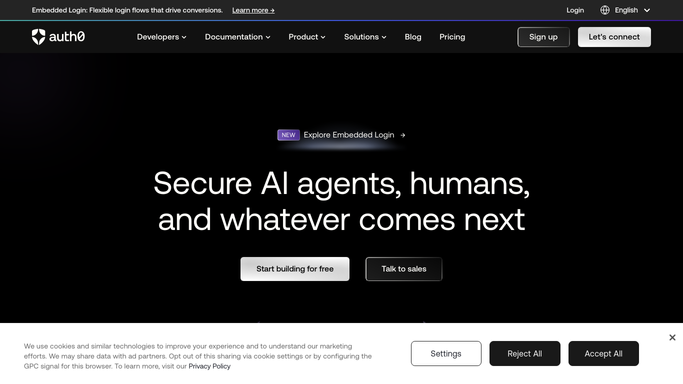
WebRun opens Auth0 to read flagged suspicious logins. - Open the Auth0 log stream and filter to anomaly and security flags
- Capture the flag type, application, and timestamp for each event
- Mark events as high risk when they match a breached password block or a repeated brute force pattern
Done when Every anomaly flagged since the last check is listed with its risk level.
-
2
Google Calendar - keep the weekly security review booked
calendar.google.com
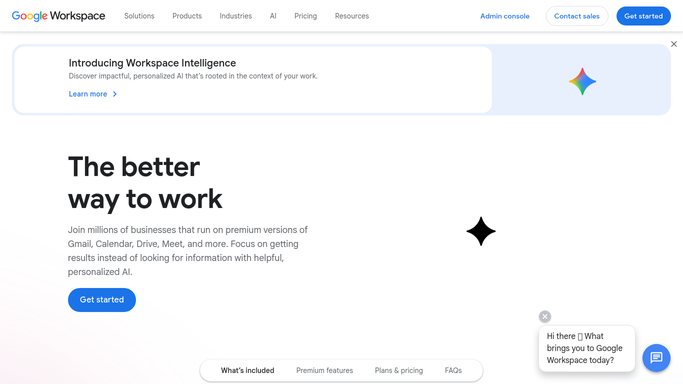
WebRun opens Google Calendar to keep the weekly security review booked. - Confirm the recurring weekly security review slot is still on the calendar
- Attach this week's summary of anomaly counts to the event description
- Reschedule only if the slot was removed
Done when The weekly security review event exists with this week's anomaly summary attached.
-
3
WhatsApp - text on call for high risk events
whatsapp.com
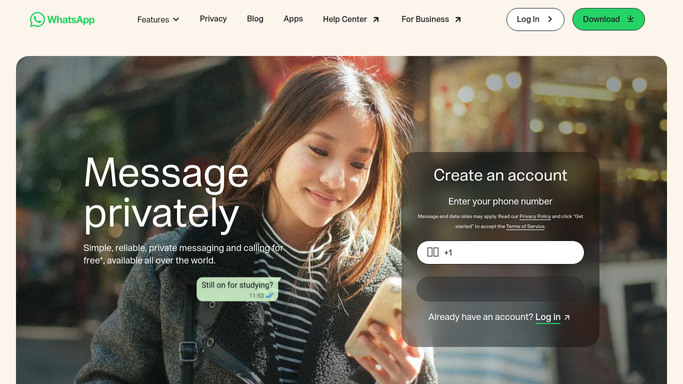
WebRun opens WhatsApp to text on call for high risk events. - Text the on call engineer for any event marked high risk
- Name the flag type, the application, and the time it happened
- Skip low risk events. Those wait for the weekly review instead
Done when The on call engineer has a message for every high risk event since the last check.
How is each run configured?
Secure by default
Connect once, stays signed in
WebRun signs in once and keeps each session in a persistent environment, so every run picks up right where it left off.
Every action is checked against this policy before it runs.
Questions, answered
Does it lock accounts or block users itself?
No. WebRun only reads Auth0's logs and flags. Blocking a user, resetting a password, or changing a rule is always done by your team in Auth0 directly.
What counts as high risk?
Events Auth0 itself already flagged, like a blocked breached password attempt or a repeated brute force pattern. WebRun does not invent its own risk scoring.
Will low risk anomalies get lost?
No. Every anomaly, high or low risk, is summarized in the weekly security review slot on the calendar, even though only the high risk ones trigger an immediate text.
Related templates
Put this on autopilot.
Turn it on in minutes - or have our team set it up for you.