How to Automate Trello

Trello automates through Butler, which moves cards, sets due dates, posts comments and runs rules on a schedule. Butler acts on cards that already exist. Creating the card in the first place, from an order or an email or a form in another system, is the step still done by hand.

The board is how a team sees its own work

Trello is a board of lists and cards, and its whole appeal is that you can understand somebody else's work in about four seconds of looking at it.

That visibility is why it spreads through the parts of a company that never adopted a project tool. A small agency runs client work on it. A landlord runs maintenance requests. A workshop runs repairs, one card per machine, moving left to right as the job progresses.

The unit that matters is the card. A card is one real thing: a job, a fault, an application, an order. The board is honest only for as long as the cards match the things that actually exist in the world.

Which puts all the weight on how cards get made.

Cards get made by whoever remembers

The work arrives somewhere else first. It arrives as an email, a form submission, a phone call, an order in a system, a fault logged on a portal.

Then a person reads it and makes a card. They type a title, paste an address into the description, set a due date and drop it in the right list. It takes ninety seconds and it happens forty times a week.

Two things go wrong, and both are quiet. Cards that never got made, because it was busy on Thursday and nobody wrote it down, so a job simply does not exist as far as the board is concerned. And cards that were made but never updated, sitting in Doing for a fortnight after the customer cancelled.

A board people have stopped trusting gets checked less, which means it drifts further, which is how a team ends up back on a group chat.
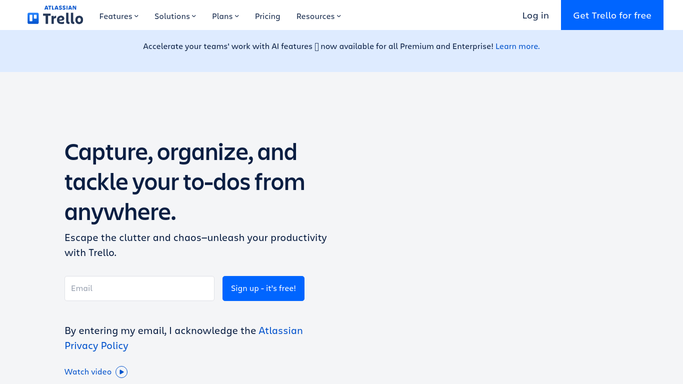
The trello.com homepage, the app these three jobs run in. Trello
Cards that create themselves A new order, application or fault becomes a card in the right list, without anyone transcribing it first.
Boards that match reality A job cancelled in the source system stops sitting on the board looking like work somebody still has to do.
Detail already on the card The reference, the address and the contact filled in, so nobody opens another system to start the job.

Butler acts on cards that already exist

Trello's automation is Butler, and it is genuinely capable for something included in the free plan.

Rules fire when a card is created, moved, labelled or has its due date arrive. Card buttons and board buttons run a set of actions on demand. Calendar commands run on a schedule, so every Monday you can sort, archive or move a batch of cards. Actions cover moving, copying, assigning, commenting, setting dates and posting to other lists.

Every one of those starts from something happening on the board. Butler is very good at what happens to a card once it exists.

It has no way to know that an order arrived in your ordering system, that a form was submitted on a site it cannot see, or that the job on that card was cancelled by a phone call this morning. The board can only react to itself.

The right card can appear on its own

The board reflects whatever was last typed into it, and nothing else. Everything missing from it was already recorded somewhere behind a login.

The overnight orders, each one a card in the intake list, with the reference and the delivery address already in the description. The faults logged on a customer's own portal, which is a site your team has a login for and no integration with. The applications submitted through a recruiting system, each becoming a card in the first column.

The updates matter as much. A job marked complete in the source system moves to Done rather than aging on the board. A cancelled visit gets archived instead of sending somebody out. A date that moved shows the date it moved to.

Worth deciding up front: let one system be the truth. If the board and the source system can both change a job's state, they will eventually disagree, and the disagreement will show up as an engineer standing outside a locked building.

Nobody has to transcribe the work first

Work arrives as an email, a form or a line in another system, and it becomes a card only when a person retypes it. That is not skilled work, but skipping it is how jobs get lost.

WebRun is an AI agent that works a real Chrome browser, signed in as you. It opens the ordering system, the customer portal or the inbox where work arrives, reads what is there, and creates or updates the cards on your board to match.

It runs on your schedule in your own private environment, and you can watch a run and stop it. Anything that would contact a customer drafts and waits for a person.

The workflows below are already built, and each one shows the steps it takes.

Questions people ask

Should we use this instead of Butler?

No, alongside it. Butler is the right tool for what happens once a card exists, and it is free. This handles the part Butler cannot reach: creating and updating cards from systems outside Trello.

Will the board fill up with duplicates?

Each workflow matches on a reference from the source system, so a second run updates the card it already made. Cards it has created can also be kept in their own list until someone triages them.

Does it work with a free Trello plan?

Yes. It works the Trello interface signed in as you, so anything you can do by hand on your current plan it can do too. There is no Power-Up to install.

1,079 ready-made Trello workflows

Each one names the apps it touches and the exact steps it takes. Open one to read what it will do, then turn it on.

Automated Talkdesk QA Coverage Checks
Every Monday, WebRun checks Talkdesk for agents with too few evaluations, samples calls for each one, posts the gap list to Slack, and queues the review work on a Trello board.
Talkdesk›Slack›Trello
Automated Synthesia Language Coverage Checks
Every Monday, WebRun checks which Synthesia videos exist in each required language, files the gaps as Trello cards, and saves the coverage matrix to Google Drive.
Synthesia›Trello›Google Drive
Automated Suno Credit Balance Monitoring
Every morning, WebRun reads your Suno credit balance, works out how many days of generating are left at your recent rate, and cards it in Trello when it is low.
Suno›Trello›Airtable
Automated Streamlabs Tip Income Ledger
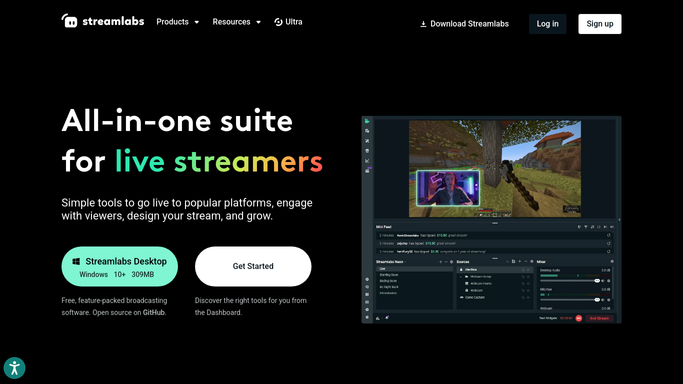
Every night, WebRun reads the tips that landed in Streamlabs, writes each one into an Airtable ledger with its amount, currency and date, and adds a Trello card when a payout needs reconciling.
Streamlabs›Airtable›Trello
Automated Squarespace SEO Metadata Audits
Every night, WebRun audits your Squarespace pages and products for missing SEO titles and descriptions, drafts you a fix list in Gmail, and queues each page on a Trello board.
Squarespace›Gmail›Trello
Automated Spreaker Episode Distribution Check
Every morning, WebRun checks your newest Spreaker episodes against the directories they should be on, logs the result in Trello, and messages you anything missing.
Spreaker›Trello›WhatsApp
Automated Smartsheet Update Request Rounds
Every Monday, WebRun finds the Smartsheet rows that need a fresh status, queues an update request to each owner for your approval, and tracks who has not replied on a Trello board.
Smartsheet›Trello›WhatsApp
Automated simPRO Asset Maintenance Alerts
Every morning, WebRun finds the simPRO assets due for service with no job booked, opens a Trello card for each, and files the maintenance record in Google Drive.
simPRO›Trello›Google Drive
Automated Sierra Knowledge Gap Backlogs
Every Monday, WebRun reads a week of Sierra conversations, groups the questions with no good knowledge source behind them, files a ranked backlog in Trello, and sends the top gaps on WhatsApp.
Sierra›Trello›WhatsApp
Automated Schwab Transaction Reconciliation
Every night, WebRun reads the day's Schwab transaction history, matches each trade, transfer, dividend and fee to your books, and files only the entries that do not agree.
Charles Schwab›WhatsApp›Trello
Automated SAP Knowledge Gap Report
Every Monday, WebRun reads the week's closed SAP Service Cloud cases, groups the repeated questions with no article behind them, and opens a Trello card per article to write.
SAP Service Cloud›Trello›Google Drive
Automated Sage VAT Deadline Countdown
Every Monday, WebRun opens Sage, reads the open VAT period and the transactions still unsorted inside it, raises a Trello card per fix, and posts the countdown to Slack.
Sage›Trello›Slack
Automated Rows Spreadsheet Access Reviews
Every Monday, WebRun reads the sharing settings on every Rows spreadsheet, logs each guest and live shared link in Trello, and sends the admin a WhatsApp summary.
Rows›WhatsApp›Trello
Automated Rocket.Chat Inactive Account Audit
Every Monday, WebRun finds Rocket.Chat accounts with no recent login and channels nobody posts in, lists them in Slack, and opens a Trello card for each recommended action.
Rocket.Chat›Slack›Trello
Automated RingCentral Extension Audit
Every Monday, WebRun opens RingCentral, finds extensions with no call activity and numbers assigned to nobody, opens a Trello card per candidate, and drafts a WhatsApp summary.
RingCentral›WhatsApp›Trello
Automated Reddit Ads Comment Monitoring
Every hour, WebRun reads the new comments on your Reddit Ads promoted posts, logs them in Airtable, and opens a Trello card for anything harsh.
Reddit Ads›Airtable›Trello
Automated Reclaim Missed Habit Alerts
Every morning, WebRun checks which Reclaim habits were moved or skipped again, opens a Trello card for the worst offender, and sends you the short list on WhatsApp.
Reclaim›Trello›WhatsApp
Automated Rakuten Unshipped Order Queue
Every morning, WebRun lists the Rakuten Ichiba orders still awaiting shipment, builds a ship queue in Trello ordered by deadline, and posts the list to Slack.
Rakuten›Trello›Slack
Automated Rackspace Group List Audit
Every Monday, WebRun opens Rackspace Email, compares every group list and alias against the current mailbox roster, posts the mismatches to Slack, and opens a Trello card for each fix.
Rackspace Email›Slack›Trello
Automated Qwilr Accepted Proposal Handoff
Every few minutes, WebRun checks Qwilr for newly accepted proposals, files the signed page in Google Drive, and opens a Trello kickoff card with the scope and price.
Qwilr›Google Drive›Trello
Automated Qualtrics Contact List Cleanup
Every Monday, WebRun audits your Qualtrics contact lists for bounces, duplicates, and opt-outs, opens a Trello card per fix, and logs it all in Airtable.
Qualtrics›Trello›Airtable
Automated Timesheet Chasing for ProjectManager
Every Monday, WebRun checks which ProjectManager.com timesheets are still unsubmitted, opens a Trello card per person, and posts the missing hours to Microsoft Teams.
ProjectManager.com›Microsoft Teams›Trello
Automated Powtoon Video Export Archiving
Every night, WebRun finds newly exported Powtoon videos, files each MP4 into a dated Google Drive folder, and indexes them on a Trello card with their share links.
Powtoon›Trello›Google Drive
Automated PostHog Session Replay Triage
Every morning, WebRun reviews PostHog session replays with rage clicks and console errors, opens a Trello card per pattern, and logs the friction in Airtable.
PostHog›Trello›Airtable

Want one of these running on your own Trello?

Show WebRun the process once and it will run it on schedule, in your own private browser environment.