Stop paying for extensions and numbers nobody uses
Every Monday, WebRun opens RingCentral, walks the user and extension list, checks call logs for activity, finds phone numbers assigned to nobody and licenses attached to people who have left, opens a Trello card per removal candidate, and drafts a WhatsApp summary for whoever signs off the bill.
- No credit card
- Under $0.01 per run
- Cancel anytime
How do I find RingCentral extensions and numbers nobody is using?
Every Monday WebRun opens RingCentral, walks the user and extension list, and checks call logs for activity. It flags extensions with no calls in 90 days, numbers assigned to nobody, and unused licenses, opens a Trello card for each, and drafts a WhatsApp summary so the next invoice only covers seats in use.
- Idle extensions surface weekly instead of at renewal
- Every reclaim candidate lands on a board with its last call date
- Nothing is deleted or released without a human decision
Built for office managers · IT admins · operations leads · finance teams
What does WebRun do on every run?
The exact actions WebRun takes, in order - in plain language, so you can adjust anything.
-
WebRun signs in and gets to work
Opens
app.ringcentral.comin a real browser with your saved login - no setup, no API keys. -
1
RingCentral - audit users, extensions, and numbers
ringcentral.com
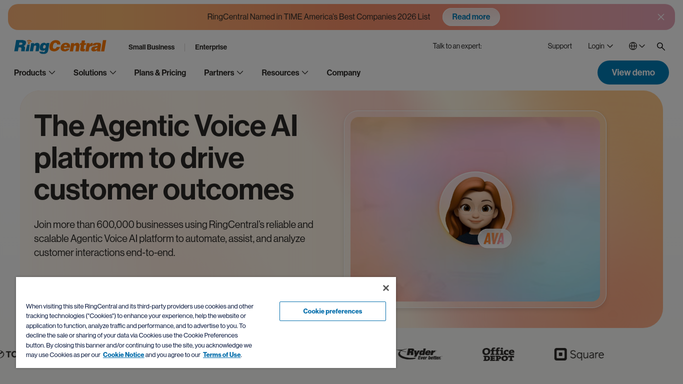
WebRun opens RingCentral to audit users, extensions, and numbers. - Open RingCentral admin and list every user and extension
- Check the call logs for inbound and outbound activity in the last 90 days
- Flag extensions with no calls at all in that window
- List phone numbers that are not assigned to any user or extension
- Note the license type on each flagged seat so the cost is clear
- Change nothing. WebRun reads the account and never deletes an extension or releases a number
Done when Every idle extension, spare number, and unused license is listed with its activity history.
-
2
Trello - open a card per reclaim candidate
trello.com How to Automate Trello
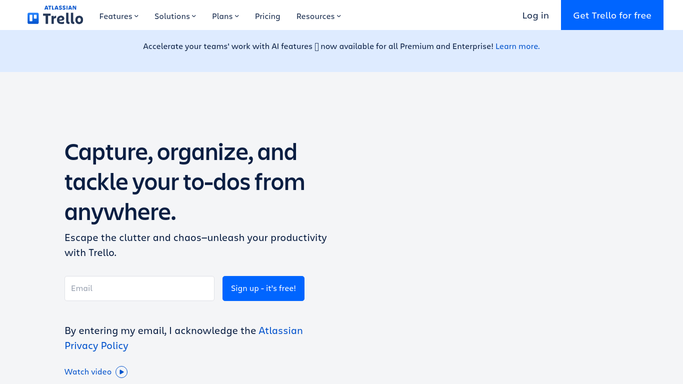
WebRun opens Trello to open a card per reclaim candidate. - Open one card per reclaim candidate on your telecom review board
- Put the extension, the assigned person, the license type, and the last call date on the card
- Group the cards by kind: idle extension, unassigned number, unused license
- Skip anything already carded from a previous week so the board does not duplicate
Done when The board holds one open card per candidate, with no duplicates from earlier weeks.
-
3
WhatsApp - draft the summary for sign-off
whatsapp.com How to Automate WhatsApp

WebRun opens WhatsApp to draft the summary for sign-off. - Write a short summary: how many idle extensions, spare numbers, and unused licenses were found
- Name the three oldest idle extensions so the obvious wins are visible
- Leave the message drafted in WhatsApp for the office manager to read and send on
- Send nothing on its own
Done when A drafted weekly summary is waiting in WhatsApp.
How is each run configured?
Secure by default
Connect once, stays signed in
WebRun signs in once and keeps each session in a persistent environment, so every run picks up right where it left off.
Every action is checked against this policy before it runs.
Questions, answered
Will it delete extensions or release numbers?
No. WebRun only reads the account and opens Trello cards for review. Deleting an extension, releasing a number, or dropping a license stays a deliberate click by your admin, and the WhatsApp summary is drafted for a human to send.
How does it decide an extension is idle?
It reads the call logs and flags extensions with no inbound or outbound calls in the last 90 days. You can widen or narrow that window, and every flagged seat shows its last call date so you can judge for yourself.
Will the same extension be carded every week?
No. WebRun checks the board first and skips candidates that already have an open card, so the review board stays a real to-do list rather than a weekly duplicate.
Related templates
Put this on autopilot.
Turn it on in minutes - or have our team set it up for you.