How to Automate Gmail

Gmail automates in layers. Filters, labels and canned responses handle sorting and repeated wording. Schedule send and shared inboxes handle timing and teamwork. Writing the reply that needs a fact from another system is the part still done by hand, and the part worth handing to an agent.

Gmail is still where the work arrives

Gmail is the mail service in Google Workspace, and for most businesses it is still the front door. Orders arrive in it. Quotes get requested in it. Suppliers confirm things in it. The customer who is about to leave writes to it first, usually politely.

It is also, in practice, the system of record for everything that never made it into a proper system. The agreed price is in a thread. The change to the delivery date is in a thread. The reason a discount was given four months ago is in a thread somebody will spend twenty minutes finding.

Everything downstream of it depends on a person reading each message, working out what it needs, and going somewhere else to do it. That last step is where the day goes.

The inbox is a to-do list written by other people

An inbox is the only queue in the business that anyone in the world can add to.

So the morning goes like this. Read a message. Open the CRM to check whether this is already a customer. Open the ordering system to see whether the thing is in stock. Copy an address into a form. Type a reply that says roughly what you typed yesterday to somebody else. Mark it read. Next one.

The reading is the quick part. The looking things up is what takes the hour. And the replies that end up delayed are almost never the difficult ones. They are the ordinary ones that needed a number from a system nobody had open at the time.
The gmail.com homepage, the app these three jobs run in. Gmail
Replies waiting in drafts The ordinary answers written overnight, with the tracking number, the stock level or the price already looked up.
The lookup done first The four tabs someone opens to answer one message, opened and read before anybody has seen the message.
Nothing sent without you Email cannot be recalled, so the default is a draft sitting in your folder rather than a message already gone.

Filters sort mail, they cannot answer it

Gmail does more on its own than most people ever set up.

Filters route by sender, subject or content, apply labels, skip the inbox and forward automatically. Canned responses keep you from retyping the same paragraph for the hundredth time. Smart Compose finishes sentences. Schedule send holds a written message until a time you pick. Workspace adds shared inboxes and delegation so a team can work one address without stepping on each other.

All of that acts on the message: where it goes, what it looks like, when it leaves. None of it can find anything out. A filter cannot check whether that customer has an unpaid invoice, whether the part is in stock, or what you quoted them in March.

Which is why the reply still waits for a person. Not because the words are hard, but because the facts live in four other places.

The reply can be written before you open the thread

The facts an ordinary reply needs are all on screens somebody could open. When they arrive on their own, the ordinary reply stops being work.

A supplier asks whether you want to reorder. The stock level is in the ordering system, last quarter's usage is in a spreadsheet, and the answer is one sentence. A customer asks where their order is. The status is on a courier site, behind a reference number sitting in the original confirmation email.

A prospect asks for a price on the thing you quote fifteen times a week, where the number depends on two values you look up. Someone asks to move a visit, and the answer depends on what the calendar says about Thursday.

Every one of those is a lookup and a paragraph. Both can happen before you sit down, with the result left in your drafts folder for you to glance at and send.

Hold one line, though: drafted, not sent. Email goes to real people and cannot be pulled back. A draft costs two seconds to approve and removes the entire category of things you would rather had not gone out on their own.

The drafting happens overnight

The number that belongs in the reply is sitting in another system, and getting it out is typing, not thinking. Fetching it does not have to be your job, and it does not have to wait until after you have read the email.

WebRun is an AI agent that works a real Chrome browser, signed in as you. It reads the thread, opens whatever holds the answer, whether that is your CRM, a supplier portal or a courier site with no integration at all, and leaves a reply in your drafts with the details already filled in.

It runs on your schedule in your own private environment. Nothing goes out on its own unless you deliberately set a narrow rule that says so, and you can watch a run and stop it.

The workflows below are already built, and each one shows the steps it takes.

Questions people ask

Does it send email on my behalf?

By default it drafts and leaves the message in your folder. Email cannot be unsent, so sending on its own is something you turn on deliberately for a narrow case, never the starting point.

Will it read my whole mailbox?

It works only the messages a workflow points it at, such as a label, a search or a single sender. You set that scope yourself, and you can watch a run to see exactly which threads were opened.

Can it use information that is not in the email?

That is usually the whole point. It opens the CRM, the ordering system or the courier site the way you would, reads what it needs, and writes the reply with the real number already in it.

3,893 ready-made Gmail workflows

Each one names the apps it touches and the exact steps it takes. Open one to read what it will do, then turn it on.

Automated Fire Protection Lead Response
When a new lead submits a contact form or inquiry for fire inspection or system service, WebRun drafts a professional response and alerts your sales team in Slack so the lead gets a reply before a competitor does.
BuildOpsGmailSlack
Automated Fire Inspection Report Distribution
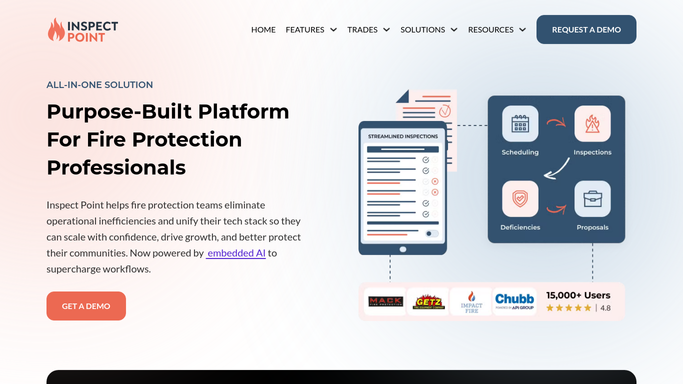
After each fire inspection is completed in Inspect Point, WebRun prepares a draft email with the signed report attached and queues it for your team to send to the property owner, facility manager, and any required contacts.
Inspect PointGmailGoogle Sheets
Automated Fire Inspection Reminders
WebRun checks which properties are coming up for their annual or semi-annual fire inspection, drafts a reminder to each customer, and posts your team a daily list of what is due this week.
Inspect PointGmailSlack
Automated Fire Re-Inspection Scheduling
When a fire inspection finds failed items in Inspect Point, WebRun drafts a re-inspection scheduling email to the customer, logs the failed items as open deficiencies, and alerts your dispatch team to book the follow-up visit.
Inspect PointGmailSlack
Automated Fire Deficiency Quote Follow-Up
WebRun finds quotes for fire system deficiency repairs that have gone unanswered, drafts a polite follow-up for each customer, and flags the highest-value open quotes in Slack so your sales team can prioritize.
BuildOpsGmailSlack
Automated Fire Service Contract Renewal Reminders
WebRun finds annual fire inspection and service contracts expiring in the next 60 days, drafts a renewal offer for each customer, and alerts your sales team so no contract lapses without a conversation.
BuildOpsGmailSlack
Automated Unsold Consignment Pickup Reminders
When consignment periods end with unsold items, WebRun drafts a pickup or donation-waiver notice for each consignor and queues it for staff review before anything goes out.
RicochetGmailSlack
Automated Top Consignor VIP Outreach
Every month, WebRun identifies your top consignors by earnings, drafts a personalized VIP appreciation message for each, and queues it for staff review before any outreach goes out.
SimpleConsignGmailSlack
Automated Store Credit Expiry Reminders
Before store credit expires, WebRun drafts a friendly reminder email for each customer with an expiring balance and queues it for staff approval before anything goes out.
SimpleConsignGmailSlack
Automated Consignment Shop Review Requests
After a positive transaction, WebRun drafts a friendly review request for consignors or buyers and queues it for staff approval before any message goes out.
SimpleConsignGmailSlack
Automated Consignment Payout Notices
When a consignor's balance reaches your payout threshold, WebRun drafts a personalized payout-ready notice and queues it for your review before anything goes out.
SimpleConsignGmailSlack
Automated New Consignor Onboarding Emails
When a new consignor is added to your system, WebRun drafts a personalized welcome email with your policies and intake instructions, and alerts your team in Slack to follow up.
SimpleConsignGmailSlack
Automated Consignment Intake Appointment Scheduling
When a consignor requests a drop-off appointment, WebRun checks your availability, drafts a confirmation with a time slot, and queues it for staff review before the consignor hears back.
RicochetGoogle CalendarGmail
Automated Consignment Expiry Reminders
Before a consignment period ends, WebRun drafts a reminder for each consignor with expiring items and queues it for staff review, so nothing lapses without notice.
RicochetGmailSlack
Automated Consignor Account Statement Drafts
At the end of each payout period, WebRun pulls each consignor's sales and balance data, drafts a detailed account statement email, and queues it for staff review before any statement goes out.
ResaleworldGmailSlack
Automated Coaching Testimonial Request Emails
When a client completes a coaching programme in Paperbell, WebRun drafts a warm testimonial request email so you can gather social proof at the moment their results are freshest.
PaperbellGmailGoogle Sheets
Automated Coaching Session Reminders
Before each scheduled session, WebRun checks your coaching calendar, drafts a personalised reminder for each client, and queues it for your review before sending.
PaperbellGoogle CalendarGmail
Automated Coaching Programme Renewal Reminders
WebRun checks Paperbell each week for programmes approaching their end date and drafts a warm renewal conversation starter in Gmail for each client, giving you time to offer a next step.
PaperbellGmailGoogle Sheets
Automated Coaching Package Expiry Reminders
WebRun checks Paperbell each week for clients with unused session credits nearing expiry, then drafts a personalised nudge for each one to book before their credits lapse.
PaperbellGmailGoogle Sheets
Automated Coaching Invoice Chaser
WebRun checks your coaching billing platform and Stripe each week for overdue invoices and drafts a polite, professional chase email for each outstanding client balance.
Practice BetterStripeGmail
Automated Coaching Lead Nurture Sequence
When a new lead fills in your enquiry form, WebRun reviews their responses and drafts a personalised follow-up sequence in Gmail to move them toward booking a discovery call.
PaperbellGmailGoogle Sheets
Automated Coaching Lapsed Client Winback
WebRun identifies coaching clients who have not had a session or active package in 90 or more days and drafts a warm, personalised re-engagement email for each one.
CoachAccountableGmailGoogle Sheets
Automated Coaching Intake Questionnaire Collection
When a new client books in Paperbell or Practice Better, WebRun checks whether their intake form is complete and drafts a polite chase email for anyone who has not yet submitted it.
Practice BetterPaperbellGmail
Automated Coaching Failed Payment Recovery
When a payment fails in Paperbell or Stripe, WebRun drafts a polite recovery email and logs the issue so you can follow up before the client loses access to their programme.
PaperbellStripeGmail

Want one of these running on your own Gmail?

Show WebRun the process once and it will run it on schedule, in your own private browser environment.