How to Automate Slack

Slack automates in two layers. Workflow Builder, reminders and vendor Slack apps cover anything that starts inside Slack or gets pushed to it. Getting an answer out of a tool that never built a Slack app is the layer people still do by hand, one browser tab at a time.

Slack is where the company keeps its attention

Slack is a messaging app that turned into something else along the way: the place a company keeps its attention. Decisions get made in a thread before they are written down anywhere official. The person who needs to know something asks in a channel rather than opening the system that holds the answer. New staff learn how the business actually works by scrolling.

Most companies run a few dozen channels and about four that matter. The one where orders come in. The one where things break. The one where the numbers get posted every morning. Those few are checked constantly, by people who are supposed to be doing something else.

That is both the value and the cost. Everything important passes through Slack, which is what makes it worth automating. Everything unimportant passes through too, which is why half the workspace has notifications off.

Someone is quietly paid to watch the dashboards

In most teams one person has become the human integration layer, without anyone deciding they should be.

They open the payment dashboard each morning and post yesterday's total. They check whether the overnight job finished and tell the channel either way. They copy the day's bookings across because the booking system has no Slack app. When somebody asks whether an order shipped, they open another tab and look.

None of that is in their job description. It is what happens when the tool everyone watches knows nothing about the tools that hold the facts. The channel is full of people and short of data.

The slack.com homepage, the app these three jobs run in. Slack
Morning numbers Yesterday's takings, failures and bookings read from the systems that hold them and posted before the team logs on.
The usual questions, answered Whether it shipped, whether it cleared, whether the status changed, checked and posted without anyone opening a tab.
Exceptions only The three lines that fell below reorder, not the two hundred that did not. Quiet channels are the ones people still read.

Workflow Builder only reacts to what happens inside Slack

Slack automates a fair amount on its own, and for what it covers it is good.

Workflow Builder runs a sequence when someone joins a channel, reacts with an emoji, submits a form or clicks a button. Reminders repeat on a schedule. Scheduled send posts a message you already wrote at a time you pick. Hundreds of products publish a Slack app that pushes their own events into a channel.

Every one of those is triggered by something that happened in Slack, or pushed in by a vendor who decided to build the integration. That is the ceiling. A workflow cannot go and look at anything. It posts what it is handed.

So the gap is every tool that never built a Slack app: the supplier portal, the council website, the twenty-year-old booking system, the bank. Those hold the answers people ask for in channels all day, and Slack has no way to reach them.

The channel can report before anyone asks

Change what is able to reach the channel and the whole thing inverts. Instead of people asking the channel questions, the channel starts answering them first.

Yesterday's takings, posted at seven, read from the till system that only ever shows them on a dashboard. The overnight payment failures, listed by customer, out of a portal with no export. The three stock lines that dropped below reorder, checked across every supplier you buy from. The bookings that came in during the night from a system that never built an integration.

The same goes for the questions people ask over and over. Whether a shipment moved. Whether a permit changed status. Whether a listing is still on the first page. Whether a competitor put their price up again. Each of those is somebody opening a tab, looking, and typing what they saw.

One thing worth building in from the start: a channel that posts everything gets muted inside a week, and a muted channel is worse than no channel. The version that survives posts what changed and stays quiet otherwise. Report the exception, not the heartbeat.

Nobody has to be watching at six in the morning

The till system will not post its own number into a channel, and the number is wanted before the doors open. Reading it off a screen at that hour is work, but it is not the kind that justifies a phone by the bed.

WebRun is an AI agent that works a real Chrome browser, signed in as you. It opens the portal or the dashboard, reads what is on the screen, and posts the result into the channel you choose. Because it works the browser rather than an API, it reaches the tools that never built a Slack app, which is most of them.

It runs on your schedule in your own private environment, and you can watch a run and stop it. Anything that would reach a customer drafts and waits for you.

The workflows below are already built, and each one names the apps it touches.

Questions people ask

Will it post to a channel without me approving it?

Posting to your own internal channel runs on its own, because a message you did not want is a message you delete. Anything customer-facing, like an email or a public reply, is drafted and waits for a person.

Do we need a paid Slack plan or admin rights?

No. It posts through the browser using the access you already have, so there is no app to get approved into the workspace and no admin ticket to wait on.

How do we stop it turning into noise?

Post exceptions rather than everything. Each workflow decides what is worth saying: the lines below reorder, the payments that failed, the job that did not finish. A channel that only speaks when something changed keeps getting read.

5,789 ready-made Slack workflows

Each one names the apps it touches and the exact steps it takes. Open one to read what it will do, then turn it on.
Automated iCloud Backup Status Checks
Every Monday, WebRun checks each device in your iCloud account for its last backup date, flags anything stale, and posts the list to Slack with a nudge in Telegram.
iCloudSlackTelegram
Automated HSBC Daily Cash Position
Every morning, WebRun signs in to HSBC, reads each account balance and the payments due in the next few days, posts the cash position to Slack, and texts you when a balance falls below your floor.
HSBCSlackTwilio
Automated Bonsai Overdue Invoice Chasing
Every Monday, WebRun finds overdue Bonsai invoices, drafts a polite reminder for each client for you to approve, and posts the outstanding total to Slack with a Telegram ping on the worst ones.
BonsaiSlackTelegram
Automated HDFC Bank Transaction Monitoring
Every morning, WebRun reads yesterday's HDFC Bank transactions, posts the account picture to Slack, and pings Telegram when a debit is larger than your limit or looks unfamiliar.
HDFC BankSlackTelegram
Automated HackerRank Assessment Reminders
Every morning, WebRun checks HackerRank for invited candidates who have not opened their assessment, drafts a polite nudge in Gmail, and posts the stalled list to Slack.
HackerRankGmailSlack
Automated Guru Freelance Job Shortlist
Every morning, WebRun searches Guru for new jobs that match your skills and budget, posts a ranked shortlist to Slack, and tags the right specialist in Microsoft Teams.
GuruSlackMicrosoft Teams
Automated Grammarly Seat Audit
Every Monday, WebRun compares your Grammarly seats against your Slack workspace, lists who is missing or idle, and posts the seat gap to Telegram.
GrammarlyTelegramSlack
Automated Google Tasks Overdue Digest
Every morning, WebRun reads your Google Tasks lists, posts today's plan and the overdue pile to Slack, and sends you a short Telegram nudge about the oldest items.
Google TasksSlackTelegram
Automated Google Pay Subscription Alerts
Every Monday, WebRun reviews your Google Pay activity and recurring payments, posts the week's spending to Slack, and alerts you on Telegram about renewals and odd charges.
Google PaySlackTelegram
Automated Gemini Daily Research Brief
Each weekday morning, WebRun runs your standing research prompts in Google Gemini, files the brief in a dated Google Drive doc, and posts the key points to Slack.
Google GeminiGoogle DriveSlack
Automated Google Colab Notebook Runs
Every morning, WebRun opens your Google Colab notebook, runs it end to end, saves the output to Google Drive, and posts the result to Slack.
Google ColabGoogle DriveSlack
Automated Front Reply Drafting
Every few hours, WebRun reads the unanswered conversations in your Front inbox, writes a reply draft for each common question, leaves them unsent, and posts the review queue to Slack.
FrontSlackTelegram
Automated Fillout Submission Routing
WebRun checks new Fillout submissions through the day, posts each one to the right Slack channel with a suggested priority, and drafts a Gmail reply for you to approve before it goes out.
FilloutGmailSlack
Automated EZ Texting Campaign Recap
Every Monday, WebRun reads your EZ Texting campaign reports, posts the delivery, click and opt-out numbers to Slack, and drafts a written recap in Gmail for whoever signs off the budget.
EZ TextingSlackGmail
Automated Expensify Approval Chasing
Every morning, WebRun finds Expensify reports stuck waiting on an approver, posts the queue to Microsoft Teams, and nudges each approver in Slack with what they are holding.
ExpensifyMicrosoft TeamsSlack
Automated Exotel Missed Call Callbacks
Every hour, WebRun reads your Exotel call logs, finds calls nobody answered, posts the callback list to Slack, and queues a Twilio text for each caller that a human approves before it goes.
ExotelSlackTwilio
Automated Epidemic Sound Track Shortlists
Every Monday, WebRun searches Epidemic Sound for new tracks matching your briefs, posts the shortlist with links to Slack, and sends you a one-line summary on Telegram.
Epidemic SoundSlackTelegram
Automated eDesk Response Deadline Alerts
Every hour, WebRun checks eDesk for tickets close to their response deadline, alerts the assignee in Slack, and drafts an escalation email for anything already late.
eDeskGmailSlack
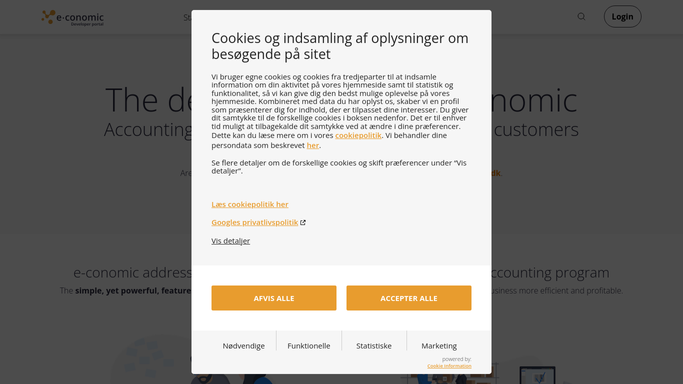
Automated e-conomic Voucher Backlog Alerts
Every morning, WebRun checks e-conomic for vouchers still waiting to be booked or approved, posts the clear-down list to Slack, and escalates anything ageing to Teams.
e-conomicSlackMicrosoft Teams
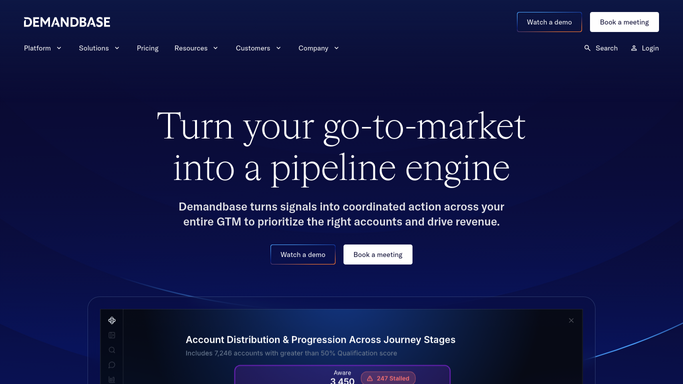
Automated Demandbase Intent Account Handoff
Every morning, WebRun finds the target accounts showing new intent in Demandbase, drafts an outreach email in Gmail for each owner, and posts the handoff list to Slack.
DemandbaseGmailSlack
Automated Degiro Statement Reconciliation
On the first working day of each month, WebRun reads your Degiro account statement, checks it against last month's closing figures, and posts the reconciliation to Slack and Teams.
DegiroSlackMicrosoft Teams
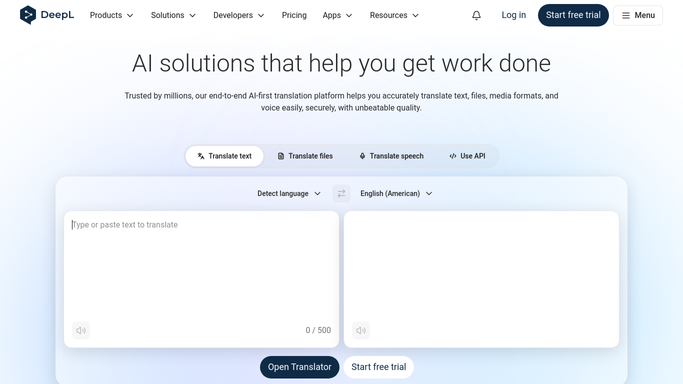
Automated DeepL Document Translation
Every morning, WebRun picks up new files from your Google Drive folder, translates them in DeepL, files the translated copies back, and posts a Slack summary.
DeepLGoogle DriveSlack
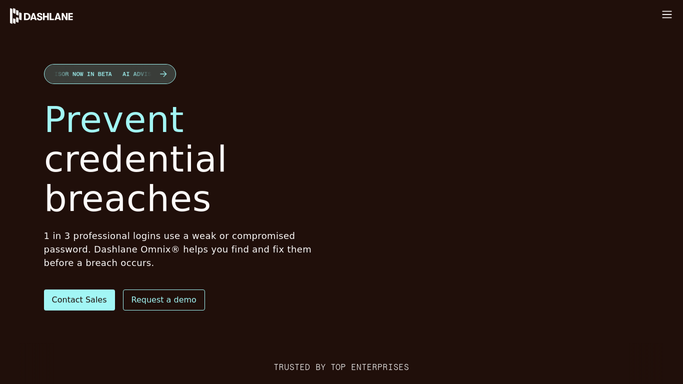
Automated Dashlane Password Health Reports
Every Monday, WebRun reads your Dashlane admin console, summarises weak and reused credentials by team, posts the scorecard to Slack, and pings you on Telegram if the score fell.
DashlaneSlackTelegram
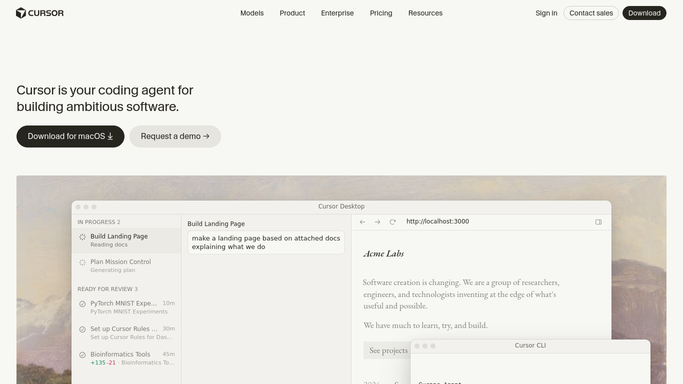
Automated Cursor Team Usage Reporting
Every Monday, WebRun reads your Cursor team usage and billing dashboard, posts the burn-down to Slack, and drafts a Gmail note to finance when usage runs ahead of the month.
CursorGmailSlack

Want one of these running on your own Slack?

Show WebRun the process once and it will run it on schedule, in your own private browser environment.