How to Automate Google Drive

Google Drive automates the mechanics of storage. Sharing rules, shortcuts, version history and Apps Script on a timer all work well. Getting documents into it, downloaded from portals and named consistently and put in the right folder, is the part that is still somebody's Friday afternoon.

Drive is where documents go to be found later

Google Drive is the storage layer of Google Workspace, and its real job is not storing things. It is answering the question somebody asks nine months later: where is that document.

Every business accumulates paperwork it did not create. Supplier invoices. Bank statements. Signed contracts. Delivery notes. Certificates and inspection reports. Council correspondence. None of it is written in Drive. All of it needs to be in Drive when an accountant, an auditor or an angry customer asks.

Drive is good at the finding, if the filing was done. Search covers document contents, sharing is granular, and shared drives mean a file survives the person who saved it leaving the company.

Everything depends on the file having arrived, been named sensibly, and been put somewhere.

Filing is the tax on every finished job

The document almost never starts in Drive. It starts behind a login somewhere else.

The statement is in the bank's portal, available as a PDF once a month. The invoice is in the supplier's account area. The signed contract is in the e-signature tool. The compliance certificate is on a testing company's website. Each one has to be logged into, found, downloaded, renamed from something like statement_final_3.pdf, and dragged into the right folder.

It is nobody's actual job, so it gets batched, and batching is where it fails. Twenty statements downloaded in one sitting at the end of a quarter, half of them named wrong, two of them missed entirely because the portal only keeps three months.

The cost is invisible until the moment somebody needs a specific document quickly, which is always a moment that already has some pressure attached to it.
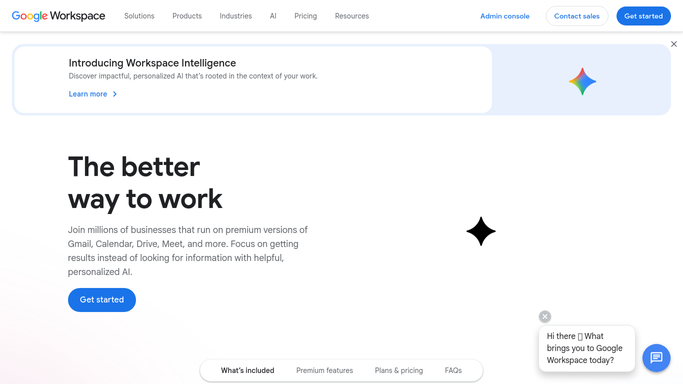
The drive.google.com homepage, the app these three jobs run in. Google Drive
Statements collected on time The monthly documents downloaded from each portal that holds them, before somebody needs them for a deadline.
Named the same way every time One naming rule applied to every file, so search works and nobody opens six documents to find the right one.
Filed where it belongs Straight into the client, month or job folder, instead of a downloads pile somebody sorts out later.

Drive organises files, it does not go and fetch them

Drive is more automatable than most people realise, and Workspace adds a fair amount on top.

Sharing can be set by folder and inherited. Shortcuts put one file in several places without copies. Version history means nothing is really lost. Apps Script runs on a timer against your Drive, so moving, renaming and tidying can genuinely be scripted by anyone willing to write a little code. Shared drives keep ownership with the company rather than an individual.

All of that operates on files that are already in Drive. The scripting reaches the folder structure, not the outside world.

The bottleneck is upstream of all of it. A script can file a statement beautifully once the statement is in Drive. Nothing in Workspace can log into your bank, open the statements section, and download last month's PDF.

The folder can fill and file itself

A login, a click and a download: that is the whole of collecting a statement. A person is only involved in it out of habit.

Every monthly statement pulled from each bank and card portal on the day it appears, named to one convention, dropped in the right year and month folder. Supplier invoices collected from the accounts area of each supplier you buy from. Signed documents pulled out of the e-signature tool and filed against the client they belong to. Certificates collected from the testing company before they expire.

The naming is worth as much as the collecting. One convention, applied every time, is the difference between search working and a folder of files called document.pdf.

It is worth pointing the collecting at a staging folder that only the automation writes to, then filing from there. If a portal changes and a run brings back the wrong thing, it is sitting in one place rather than mixed into folders your accountant is about to read.

Somebody still has to log into the portal

The filing rules can be written once. Logging into eleven different portals every month is the part that keeps costing a person an afternoon.

WebRun is an AI agent that works a real Chrome browser, signed in as you. It opens each portal, finds the document, downloads it, names it to your convention and puts it in the folder where it belongs.

It runs on your schedule in your own private environment, and you can watch a run and stop it. Sessions stay in your own environment rather than being shared with anything else.

The workflows below are already built, and each one names the sites it opens.

Questions people ask

Is it safe to give it access to our bank portal?

The session stays inside your own private environment and is not shared with the other tools in a workflow. A workflow can also be locked to an explicit list of domains, so it can only reach the sites you named.

What if a portal only keeps a few months of documents?

That is a good reason to collect on a schedule rather than at year end. A monthly run takes each document while it is still available, so the archive is complete when somebody finally needs it.

Can it handle a portal that needs a code from my phone?

A login that needs a one-time code needs a person the first time. Once that session is established in your environment it is reused on later runs, so the interruption is occasional rather than monthly.

905 ready-made Google Drive workflows

Each one names the apps it touches and the exact steps it takes. Open one to read what it will do, then turn it on.

Automated Meta AI Content Backup
Every night, WebRun checks Meta AI for images and captions generated that day, saves copies to Google Drive, and texts you through Twilio if a save fails.
Meta AI›Twilio›Google Drive
Automated Medium Story Stats Digest
WebRun checks Medium each week for views, reads, and claps on every story, archives the stats to Google Drive, and posts the digest to Slack.
Medium›Google Drive›Slack
Automated Manpower Timesheet Reconciliation
WebRun checks Manpower for submitted contractor timesheets, saves each one to Google Drive, and texts you through Twilio when something does not match your records.
Manpower›Twilio›Google Drive
Automated Manatal Weekly Pipeline Scorecards
Every Friday, WebRun tallies this week's Manatal pipeline activity by requisition, saves a scorecard file to Google Drive, and texts the recruiting lead that it's ready.
Manatal›Twilio›Google Drive
Automated Letterboxd Weekly Diary Recap
WebRun checks Letterboxd each week for new diary entries and reviews, archives them to a Google Drive doc, and texts you the weekly recap.
Letterboxd›Twilio›Google Drive
Automated Landingi Conversion Rate Drop Alerts
WebRun checks Landingi landing pages for a conversion rate drop, posts a Slack alert naming the page, and saves a snapshot of the page to Google Drive for comparison.
Landingi›Google Drive›Slack
Automated Kuda Business Account Setup Tracking
WebRun checks your Kuda Bank account for outstanding verification steps, saves the proof of account document to Google Drive, and posts setup progress to Slack.
Kuda Bank›Google Drive›Slack
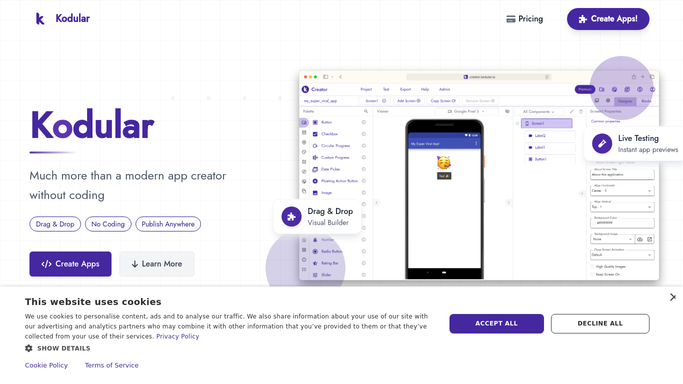
Automated Kodular Build Readiness Checklist
Before a Kodular project is compiled, WebRun checks its icon, permissions, and package name are set, saves a project export to Google Drive, and posts the readiness checklist to Slack.
Kodular›Google Drive›Slack
Automated Kintone Stuck Record Alerts
Every few hours, WebRun finds Kintone process records stuck past their step deadline, saves a snapshot export to Google Drive, and texts the record's owner through Twilio.
Kintone›Twilio›Google Drive
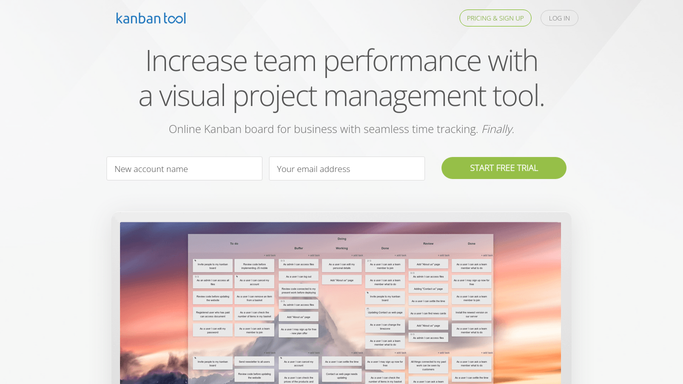
Automated Kanban Tool Stalled Card Alerts
WebRun checks your Kanban Tool board for cards that are overdue or have not moved in days, confirms whether the linked file in Google Drive was updated, and posts a Slack alert so a stalled card gets attention fast.
Kanban Tool›Google Drive›Slack
Automated KakaoPay Daily Payment Digest
Every night, WebRun opens KakaoPay, reads the day's payments sent and received and the current balance, saves a dated summary to Google Drive, and texts you the totals.
KakaoPay›Twilio›Google Drive
Automated Jobcase Applicant Digest
Every morning, WebRun opens Jobcase, checks your posted roles for new applicants, archives each profile to Google Drive, and posts a Slack summary of who applied.
Jobcase›Google Drive›Slack
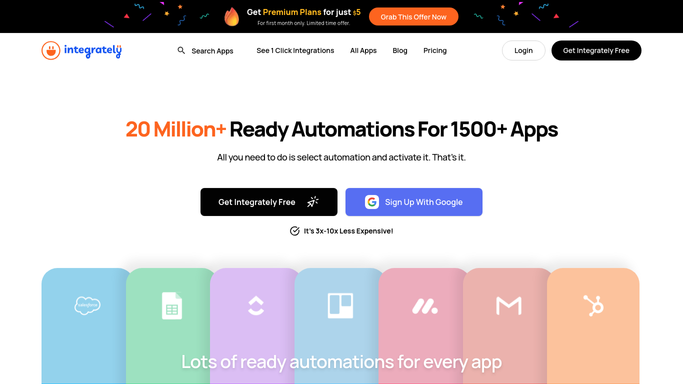
Automated Integrately Daily Health Digest
Every morning, WebRun checks Integrately for automation runs from the last day, archives the error log to Google Drive, and texts the ops lead a one-line health summary.
Integrately›Twilio›Google Drive
Automated InfoJobs Applicant Intake
WebRun checks InfoJobs for new applications, saves each CV to Google Drive, and posts a Slack note setting each candidate's stage to New so nothing gets missed.
InfoJobs›Google Drive›Slack
Automated iContact Weekly Performance Archive
Every week, WebRun opens iContact, reads how the week's campaigns performed, saves the numbers to Google Drive, and texts the marketing owner through Twilio if the bounce rate spikes.
iContact›Twilio›Google Drive
Automatic Heyflow New Lead Alerts
Every few minutes, WebRun opens Heyflow, checks for newly completed funnels, archives each submission's full answers to Google Drive, and posts a Slack alert with the lead's details for your team.
Heyflow›Google Drive›Slack
Automated HealthEquity Enrollment Deadline Tracking
During open enrollment, WebRun checks HealthEquity for who hasn't finished their HSA or FSA elections, archives the enrollment report to Google Drive, and posts a Slack digest to the benefits admin.
HealthEquity›Google Drive›Slack
Automated Hays Hiring Pipeline Scorecard
Every Monday, WebRun opens your Hays client portal, checks candidates submitted, interviewed, and offered last week, archives the numbers to Google Drive, and texts you if an offer deadline is close.
Hays›Google Drive›Twilio
Automated Guru Quote Follow-Up Reminders
WebRun checks Guru for job quotes you sent that never got a reply, saves the job details to Google Drive, drafts a polite follow-up, and texts you through Twilio to review it.
Guru›Twilio›Google Drive
Automated GroupMe Shared File Archiving
WebRun reviews new photos and files shared in your GroupMe group, saves them into a dated Google Drive folder, and posts a Slack confirmation once the week's items are archived.
GroupMe›Google Drive›Slack
Automated G-P Compliance Expiry Alerts
Every Monday, WebRun checks G-P employee records for expiring visas, work permits, and compliance documents, archives renewal paperwork to Google Drive, and texts the People Ops lead through Twilio.
G-P›Twilio›Google Drive
Automatic GoFormz Completed Form Archiving
Every hour, WebRun opens GoFormz, finds forms marked complete, saves each one as a record in Google Drive, and texts you a summary of what came in through Twilio.
GoFormz›Twilio›Google Drive
Automated Glean Daily Knowledge Digest
Every morning, WebRun searches Glean for important documents added or updated in Google Drive since yesterday, and posts a short digest to Slack so the team catches what's new.
Glean›Google Drive›Slack
Automated Funding Circle Overdue Repayment Alerts
Every morning, WebRun checks your Funding Circle loan portfolio for repayments that have gone overdue, archives the repayment report to Google Drive, and posts an alert to Slack.
Funding Circle›Google Drive›Slack

Want one of these running on your own Google Drive?

Show WebRun the process once and it will run it on schedule, in your own private browser environment.