How to Automate Google Drive

Google Drive automates the mechanics of storage. Sharing rules, shortcuts, version history and Apps Script on a timer all work well. Getting documents into it, downloaded from portals and named consistently and put in the right folder, is the part that is still somebody's Friday afternoon.

Drive is where documents go to be found later

Google Drive is the storage layer of Google Workspace, and its real job is not storing things. It is answering the question somebody asks nine months later: where is that document.

Every business accumulates paperwork it did not create. Supplier invoices. Bank statements. Signed contracts. Delivery notes. Certificates and inspection reports. Council correspondence. None of it is written in Drive. All of it needs to be in Drive when an accountant, an auditor or an angry customer asks.

Drive is good at the finding, if the filing was done. Search covers document contents, sharing is granular, and shared drives mean a file survives the person who saved it leaving the company.

Everything depends on the file having arrived, been named sensibly, and been put somewhere.

Filing is the tax on every finished job

The document almost never starts in Drive. It starts behind a login somewhere else.

The statement is in the bank's portal, available as a PDF once a month. The invoice is in the supplier's account area. The signed contract is in the e-signature tool. The compliance certificate is on a testing company's website. Each one has to be logged into, found, downloaded, renamed from something like statement_final_3.pdf, and dragged into the right folder.

It is nobody's actual job, so it gets batched, and batching is where it fails. Twenty statements downloaded in one sitting at the end of a quarter, half of them named wrong, two of them missed entirely because the portal only keeps three months.

The cost is invisible until the moment somebody needs a specific document quickly, which is always a moment that already has some pressure attached to it.
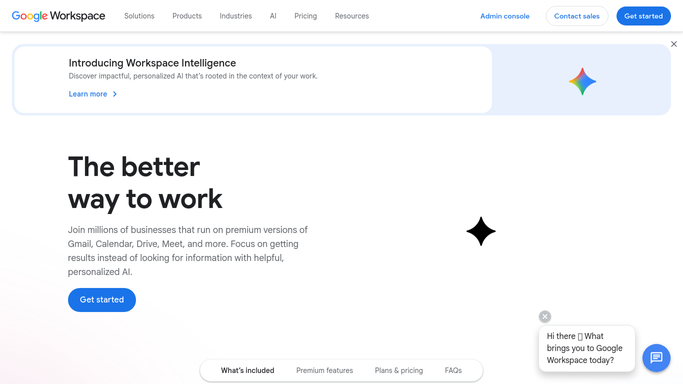
The drive.google.com homepage, the app these three jobs run in. Google Drive
Statements collected on time The monthly documents downloaded from each portal that holds them, before somebody needs them for a deadline.
Named the same way every time One naming rule applied to every file, so search works and nobody opens six documents to find the right one.
Filed where it belongs Straight into the client, month or job folder, instead of a downloads pile somebody sorts out later.

Drive organises files, it does not go and fetch them

Drive is more automatable than most people realise, and Workspace adds a fair amount on top.

Sharing can be set by folder and inherited. Shortcuts put one file in several places without copies. Version history means nothing is really lost. Apps Script runs on a timer against your Drive, so moving, renaming and tidying can genuinely be scripted by anyone willing to write a little code. Shared drives keep ownership with the company rather than an individual.

All of that operates on files that are already in Drive. The scripting reaches the folder structure, not the outside world.

The bottleneck is upstream of all of it. A script can file a statement beautifully once the statement is in Drive. Nothing in Workspace can log into your bank, open the statements section, and download last month's PDF.

The folder can fill and file itself

A login, a click and a download: that is the whole of collecting a statement. A person is only involved in it out of habit.

Every monthly statement pulled from each bank and card portal on the day it appears, named to one convention, dropped in the right year and month folder. Supplier invoices collected from the accounts area of each supplier you buy from. Signed documents pulled out of the e-signature tool and filed against the client they belong to. Certificates collected from the testing company before they expire.

The naming is worth as much as the collecting. One convention, applied every time, is the difference between search working and a folder of files called document.pdf.

It is worth pointing the collecting at a staging folder that only the automation writes to, then filing from there. If a portal changes and a run brings back the wrong thing, it is sitting in one place rather than mixed into folders your accountant is about to read.

Somebody still has to log into the portal

The filing rules can be written once. Logging into eleven different portals every month is the part that keeps costing a person an afternoon.

WebRun is an AI agent that works a real Chrome browser, signed in as you. It opens each portal, finds the document, downloads it, names it to your convention and puts it in the folder where it belongs.

It runs on your schedule in your own private environment, and you can watch a run and stop it. Sessions stay in your own environment rather than being shared with anything else.

The workflows below are already built, and each one names the sites it opens.

Questions people ask

Is it safe to give it access to our bank portal?

The session stays inside your own private environment and is not shared with the other tools in a workflow. A workflow can also be locked to an explicit list of domains, so it can only reach the sites you named.

What if a portal only keeps a few months of documents?

That is a good reason to collect on a schedule rather than at year end. A monthly run takes each document while it is still available, so the archive is complete when somebody finally needs it.

Can it handle a portal that needs a code from my phone?

A login that needs a one-time code needs a person the first time. Once that session is established in your environment it is reused on later runs, so the interruption is occasional rather than monthly.

905 ready-made Google Drive workflows

Each one names the apps it touches and the exact steps it takes. Open one to read what it will do, then turn it on.

Automated note.com Weekly Article Scorecard
WebRun checks your note.com articles each week for views, likes, and sales, exports the totals to Google Drive, and posts a recap to Slack.
Note›Google Drive›Slack
Automated Notarize Session Filing
When a Notarize session finishes, WebRun saves the notarized document and certificate to Google Drive and posts a Slack notification to the operations team.
Notarize›Google Drive›Slack
Automated MySpace Comment Alerts
WebRun checks your MySpace profile for new comments and messages, archives them to Google Drive, and texts you through Twilio as soon as one comes in.
MySpace›Twilio›Google Drive
Automated MyChart Appointment Reminders
Every week, WebRun checks MyChart for upcoming appointments and any open balance, saves a private summary to Google Drive, and drafts a Twilio reminder text for you to review and send yourself.
MyChart›Twilio›Google Drive
Automated Michael Page Shortlist Alerts
Every hour, WebRun checks your Michael Page portal for newly shortlisted candidates, saves each CV to Google Drive, and texts the hiring manager through Twilio to review.
Michael Page›Twilio›Google Drive
Automated Mailgun Suppression List Reconciliation
Every Monday, WebRun pulls the latest bounce, complaint, and unsubscribe events from Mailgun, reconciles them into a master suppression list archived in Google Drive, and posts a Slack summary of what changed.
Mailgun›Google Drive›Slack
Automated Lumen5 Export Failure Alerts
WebRun checks Lumen5 for videos stuck or failed during export, saves each finished video to Google Drive, and texts you by Twilio when an export needs attention.
Lumen5›Twilio›Google Drive
Automated Luma AI Generation Handoff
WebRun collects newly finished Luma AI generations, saves them into an organized Google Drive folder, and posts a Slack message so a teammate can review before anything goes out.
Luma AI›Google Drive›Slack
Automated Loom Unwatched Video Tracking
WebRun checks who has watched each Loom video you've shared, archives the finished recording to Google Drive, and texts you a nudge list of who still hasn't watched.
Loom›Twilio›Google Drive
Automated Locket Photo Drop Recap
WebRun checks the photos your Locket widget sent out each day, archives them to Google Drive, and posts the team a recap in Slack.
Locket›Google Drive›Slack
Automated LivePerson Escalation Alerts
WebRun watches live LivePerson conversations for signs of a frustrated customer, saves the full transcript to Google Drive, and alerts the shift supervisor in Slack to step in.
LivePerson›Google Drive›Slack
Automated Lawmatics Daily Intake Digest
WebRun checks Lawmatics for new intake submissions, saves the intake documents to Google Drive, and texts the intake coordinator a daily digest via Twilio.
Lawmatics›Twilio›Google Drive
Automated Laserfiche New Hire Folder Setup
WebRun creates a new employee's document folder structure in Laserfiche from your standard template, pulls the starter files from Google Drive, and confirms setup is complete in Slack.
Laserfiche›Google Drive›Slack
Automated Kustomer Weekly Agent Scorecard
Every week, WebRun compiles each agent's Kustomer conversation volume, first-response time, and CSAT into a scorecard, saves it to Google Drive, and texts the team lead a one-line summary.
Kustomer›Twilio›Google Drive
Automatic Kuaishou Viral Video Alerts
WebRun checks your Kuaishou videos for view and like spikes, saves a performance snapshot to Google Drive, and texts you the moment one takes off.
Kuaishou›Twilio›Google Drive
Automated KnowBe4 Phishing Test Reporting
WebRun checks KnowBe4 for employees who failed the latest phishing simulation or have overdue training, exports the report to Google Drive, and hands each name to their manager in Slack.
KnowBe4›Google Drive›Slack
Automated Kling AI Render Completion Alerts
WebRun checks Kling AI for video renders that just finished, saves each one into a shared Google Drive folder, and texts your team a link on Twilio as soon as it is ready to review.
Kling AI›Twilio›Google Drive
Automated Keka Attendance Anomaly Alerts
WebRun checks Keka each day for missed check-ins and unusual attendance patterns, saves a report to Google Drive, and posts an alert to Slack so HR can follow up before payroll runs.
Keka›Google Drive›Slack
Automated Kapture CX Queue Setup Checklist
WebRun walks through setting up a new escalation policy in Kapture CX, saves the configuration checklist to Google Drive, and posts progress to Slack so nothing gets missed before go live.
Kapture CX›Google Drive›Slack
Automated Jumpshare File Handoff Alerts
WebRun watches for new screen recordings and files shared in Jumpshare, archives each one to Google Drive, and texts the recipient through Twilio that it's ready to view.
Jumpshare›Twilio›Google Drive
Automated Jumio Verification Results Digest
WebRun checks Jumio every morning for new identity verification submissions, exports the results to Google Drive, and posts the daily digest to Slack.
Jumio›Google Drive›Slack
Automated Jamf Device Compliance Alerts
WebRun checks Jamf for managed devices missing encryption or running an outdated OS, exports the non-compliant list to Google Drive, and texts IT via Twilio when the count crosses your threshold.
Jamf›Twilio›Google Drive
Automated isolved Missing Onboarding Docs Alert
WebRun checks isolved for new hires with outstanding onboarding paperwork, saves a document checklist to Google Drive, and texts the HR admin a same-day list of who's still missing what.
isolved›Twilio›Google Drive
Automated Instatus Downtime Paging
WebRun watches your Instatus monitors for downtime, texts your on call engineer through Twilio the moment something drops, and drafts the incident update for a human to review before it posts publicly.
Instatus›Twilio›Google Drive

Want one of these running on your own Google Drive?

Show WebRun the process once and it will run it on schedule, in your own private browser environment.