How to Automate Gmail

Gmail automates in layers. Filters, labels and canned responses handle sorting and repeated wording. Schedule send and shared inboxes handle timing and teamwork. Writing the reply that needs a fact from another system is the part still done by hand, and the part worth handing to an agent.

Gmail is still where the work arrives

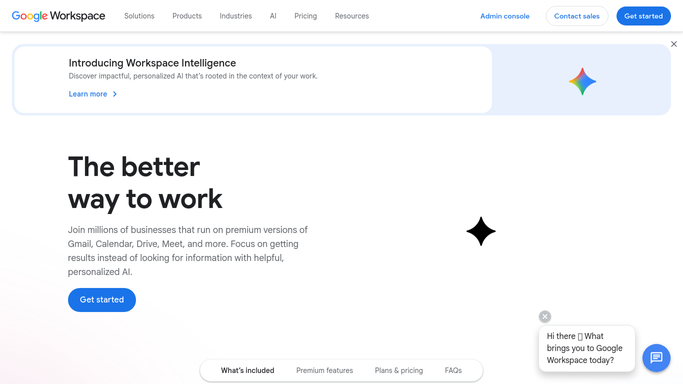
Gmail is the mail service in Google Workspace, and for most businesses it is still the front door. Orders arrive in it. Quotes get requested in it. Suppliers confirm things in it. The customer who is about to leave writes to it first, usually politely.

It is also, in practice, the system of record for everything that never made it into a proper system. The agreed price is in a thread. The change to the delivery date is in a thread. The reason a discount was given four months ago is in a thread somebody will spend twenty minutes finding.

Everything downstream of it depends on a person reading each message, working out what it needs, and going somewhere else to do it. That last step is where the day goes.

The inbox is a to-do list written by other people

An inbox is the only queue in the business that anyone in the world can add to.

So the morning goes like this. Read a message. Open the CRM to check whether this is already a customer. Open the ordering system to see whether the thing is in stock. Copy an address into a form. Type a reply that says roughly what you typed yesterday to somebody else. Mark it read. Next one.

The reading is the quick part. The looking things up is what takes the hour. And the replies that end up delayed are almost never the difficult ones. They are the ordinary ones that needed a number from a system nobody had open at the time.
The gmail.com homepage, the app these three jobs run in. Gmail
Replies waiting in drafts The ordinary answers written overnight, with the tracking number, the stock level or the price already looked up.
The lookup done first The four tabs someone opens to answer one message, opened and read before anybody has seen the message.
Nothing sent without you Email cannot be recalled, so the default is a draft sitting in your folder rather than a message already gone.

Filters sort mail, they cannot answer it

Gmail does more on its own than most people ever set up.

Filters route by sender, subject or content, apply labels, skip the inbox and forward automatically. Canned responses keep you from retyping the same paragraph for the hundredth time. Smart Compose finishes sentences. Schedule send holds a written message until a time you pick. Workspace adds shared inboxes and delegation so a team can work one address without stepping on each other.

All of that acts on the message: where it goes, what it looks like, when it leaves. None of it can find anything out. A filter cannot check whether that customer has an unpaid invoice, whether the part is in stock, or what you quoted them in March.

Which is why the reply still waits for a person. Not because the words are hard, but because the facts live in four other places.

The reply can be written before you open the thread

The facts an ordinary reply needs are all on screens somebody could open. When they arrive on their own, the ordinary reply stops being work.

A supplier asks whether you want to reorder. The stock level is in the ordering system, last quarter's usage is in a spreadsheet, and the answer is one sentence. A customer asks where their order is. The status is on a courier site, behind a reference number sitting in the original confirmation email.

A prospect asks for a price on the thing you quote fifteen times a week, where the number depends on two values you look up. Someone asks to move a visit, and the answer depends on what the calendar says about Thursday.

Every one of those is a lookup and a paragraph. Both can happen before you sit down, with the result left in your drafts folder for you to glance at and send.

Hold one line, though: drafted, not sent. Email goes to real people and cannot be pulled back. A draft costs two seconds to approve and removes the entire category of things you would rather had not gone out on their own.

The drafting happens overnight

The number that belongs in the reply is sitting in another system, and getting it out is typing, not thinking. Fetching it does not have to be your job, and it does not have to wait until after you have read the email.

WebRun is an AI agent that works a real Chrome browser, signed in as you. It reads the thread, opens whatever holds the answer, whether that is your CRM, a supplier portal or a courier site with no integration at all, and leaves a reply in your drafts with the details already filled in.

It runs on your schedule in your own private environment. Nothing goes out on its own unless you deliberately set a narrow rule that says so, and you can watch a run and stop it.

The workflows below are already built, and each one shows the steps it takes.

Questions people ask

Does it send email on my behalf?

By default it drafts and leaves the message in your folder. Email cannot be unsent, so sending on its own is something you turn on deliberately for a narrow case, never the starting point.

Will it read my whole mailbox?

It works only the messages a workflow points it at, such as a label, a search or a single sender. You set that scope yourself, and you can watch a run to see exactly which threads were opened.

Can it use information that is not in the email?

That is usually the whole point. It opens the CRM, the ordering system or the courier site the way you would, reads what it needs, and writes the reply with the real number already in it.

3,893 ready-made Gmail workflows

Each one names the apps it touches and the exact steps it takes. Open one to read what it will do, then turn it on.
Automated Adobe Express Asset Handoff
Every Monday, WebRun collects the designs finished in Adobe Express, logs them in a Google Sheets asset register, and drafts a handoff email in Gmail to whoever requested each one.
Adobe ExpressGoogle SheetsGmail
Automated Adjust Campaign Cost Alerts
Every morning, WebRun opens Adjust, compares each campaign's cost per install against its recent average, posts the outliers to Slack, and drafts a Gmail note to the partner behind the worst one.
AdjustGmailSlack
Automated Adalo Database Backups
Every Sunday night, WebRun exports each Adalo collection to CSV, files the exports in a dated Google Drive folder, and emails you a receipt of what was saved.
AdaloGoogle DriveGmail
Automated ActiveCampaign List Hygiene
Every month, WebRun finds bounced, unengaged, and duplicate contacts in ActiveCampaign, drafts the cleanup in Gmail, and posts the summary to Slack.
ActiveCampaignGmailSlack
Automated Aave Weekly Position Report
Every Sunday, WebRun opens your Aave dashboard, records what you supplied and borrowed with the current rates, emails you a written weekly report, and sends the headline to WhatsApp.
AaveGmailWhatsApp
Automated Wavve Weekly Clip Export
Every Monday, WebRun lists audiogram clips created in Wavve over the past week, exports them to Google Sheets, and emails you the list with links.
WavveGoogle SheetsGmail
Automated Wave.video Project Status Reconciliation
WebRun checks open Wave.video project requests in Airtable against what's actually been exported, flags anything undelivered past its due date, and emails the requester's manager a status note.
Wave.videoGmailAirtable
Automated Workamajig Budget Scorecard
WebRun logs Workamajig project budget and utilization to Google Sheets each week and emails each account manager their scorecard.
WorkamajigGoogle SheetsGmail
Automated Wimi Teamwork Project Handoff
WebRun finds Wimi tasks and files marked for handoff, logs them in Airtable, and emails the proposed new owner.
WimiGmailAirtable
Automated Wavve Audiogram Caption Drafting
Every morning, WebRun checks Wavve for new audiogram videos, drafts a caption and hashtags for each, logs the draft to Google Sheets, and emails the host to review before it's posted.
WavveGoogle SheetsGmail
Automated Screencast.com Viewer Analytics Export
Every Monday, WebRun pulls last week's view counts for each hosted video and image on Screencast.com, exports them to Google Sheets, and emails you the summary.
Screencast.comGoogle SheetsGmail
Automated RSS.com Episode Draft Prep
Every morning, WebRun checks RSS.com for newly uploaded draft episodes, drafts the title, description, and tags, logs it to Airtable, and emails the host that it's ready to review before it goes out.
RSS.comGmailAirtable
Automated Workamajig Budget Burn Tracking
Every Friday, WebRun opens Workamajig, compares logged hours and expenses against each project's budget, logs the burn rate to Google Sheets, and emails account managers a scorecard.
WorkamajigGoogle SheetsGmail
Automated Wimi Weekly Task Reporting
Every Friday, WebRun opens Wimi, pulls every task closed or updated that week across your workspaces, logs them to Airtable, and emails the team a summary through Gmail.
WimiGmailAirtable
Automated Wave.video Content Library Exports
Every Monday, WebRun checks Wave.video for videos created or edited that week, logs each one to an Airtable content library, and emails the team a summary.
Wave.videoGmailAirtable
Automated Screencast.com Storage Alerts
Every Monday, WebRun checks Screencast.com's storage usage and top-viewed content, logs it to Google Sheets, and emails the admin if usage has crossed 80% of the plan limit.
Screencast.comGoogle SheetsGmail
Automated RSS.com Distribution Reconciliation
WebRun checks that every episode published on RSS.com actually appears on Spotify and Apple Podcasts, logs the result to Airtable, and emails you if a platform is missing an episode.
RSS.comGmailAirtable
Automated Picarto Stream Performance Export
Every Monday, WebRun pulls last week's Picarto stream stats, logs them to a running Google Sheets tracker, and emails you a short performance summary.
PicartoGoogle SheetsGmail
Automated Nightbot Moderation Spike Alerts
WebRun checks Nightbot's moderation activity every hour, logs timeouts, bans, and blocked messages to Airtable, and emails you only when activity spikes well above normal.
NightbotAirtableGmail
Automated Workterra Open Enrollment Tracking
WebRun checks Workterra for the open enrollment window, exports enrollment status by department to Google Sheets, and emails the benefits admin a reminder of who hasn't enrolled yet.
WorkterraGoogle SheetsGmail
Automated WorkRamp Weekly Training Scorecard
WebRun checks WorkRamp each week for new hire training completion by team, logs the rates to Airtable, and emails each manager a scorecard of who's on track and who's falling behind.
WorkRampAirtableGmail
Automated Picarto Inactive Streamer Alerts
WebRun checks your roster of Picarto channels for anyone who hasn't streamed in 10 days, logs the gap to Google Sheets, and emails a check-in list to keep your community calendar full.
PicartoGoogle SheetsGmail
Automated Nightbot Weekly Moderation Scorecard
Every Monday, WebRun pulls last week's Nightbot moderation actions and command usage, logs the totals to Airtable, and emails your mod team a scorecard.
NightbotGmailAirtable
Automated Taiga Blocked Issue Alerts
WebRun logs blocked Taiga stories to Google Sheets each morning and emails the scrum master anything stuck more than 2 days.
TaigaGoogle SheetsGmail

Want one of these running on your own Gmail?

Show WebRun the process once and it will run it on schedule, in your own private browser environment.