How to Automate Trello

Trello automates through Butler, which moves cards, sets due dates, posts comments and runs rules on a schedule. Butler acts on cards that already exist. Creating the card in the first place, from an order or an email or a form in another system, is the step still done by hand.

The board is how a team sees its own work

Trello is a board of lists and cards, and its whole appeal is that you can understand somebody else's work in about four seconds of looking at it.

That visibility is why it spreads through the parts of a company that never adopted a project tool. A small agency runs client work on it. A landlord runs maintenance requests. A workshop runs repairs, one card per machine, moving left to right as the job progresses.

The unit that matters is the card. A card is one real thing: a job, a fault, an application, an order. The board is honest only for as long as the cards match the things that actually exist in the world.

Which puts all the weight on how cards get made.

Cards get made by whoever remembers

The work arrives somewhere else first. It arrives as an email, a form submission, a phone call, an order in a system, a fault logged on a portal.

Then a person reads it and makes a card. They type a title, paste an address into the description, set a due date and drop it in the right list. It takes ninety seconds and it happens forty times a week.

Two things go wrong, and both are quiet. Cards that never got made, because it was busy on Thursday and nobody wrote it down, so a job simply does not exist as far as the board is concerned. And cards that were made but never updated, sitting in Doing for a fortnight after the customer cancelled.

A board people have stopped trusting gets checked less, which means it drifts further, which is how a team ends up back on a group chat.
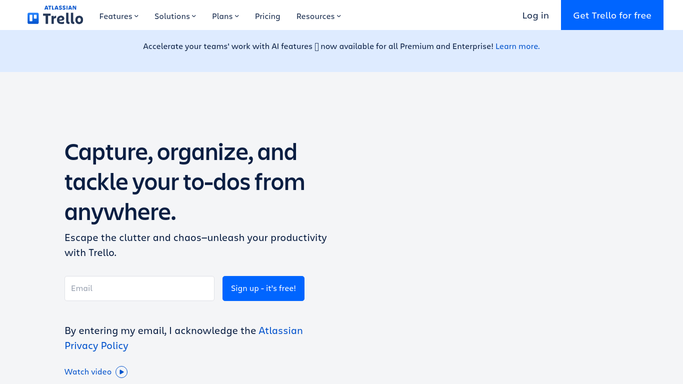
The trello.com homepage, the app these three jobs run in. Trello
Cards that create themselves A new order, application or fault becomes a card in the right list, without anyone transcribing it first.
Boards that match reality A job cancelled in the source system stops sitting on the board looking like work somebody still has to do.
Detail already on the card The reference, the address and the contact filled in, so nobody opens another system to start the job.

Butler acts on cards that already exist

Trello's automation is Butler, and it is genuinely capable for something included in the free plan.

Rules fire when a card is created, moved, labelled or has its due date arrive. Card buttons and board buttons run a set of actions on demand. Calendar commands run on a schedule, so every Monday you can sort, archive or move a batch of cards. Actions cover moving, copying, assigning, commenting, setting dates and posting to other lists.

Every one of those starts from something happening on the board. Butler is very good at what happens to a card once it exists.

It has no way to know that an order arrived in your ordering system, that a form was submitted on a site it cannot see, or that the job on that card was cancelled by a phone call this morning. The board can only react to itself.

The right card can appear on its own

The board reflects whatever was last typed into it, and nothing else. Everything missing from it was already recorded somewhere behind a login.

The overnight orders, each one a card in the intake list, with the reference and the delivery address already in the description. The faults logged on a customer's own portal, which is a site your team has a login for and no integration with. The applications submitted through a recruiting system, each becoming a card in the first column.

The updates matter as much. A job marked complete in the source system moves to Done rather than aging on the board. A cancelled visit gets archived instead of sending somebody out. A date that moved shows the date it moved to.

Worth deciding up front: let one system be the truth. If the board and the source system can both change a job's state, they will eventually disagree, and the disagreement will show up as an engineer standing outside a locked building.

Nobody has to transcribe the work first

Work arrives as an email, a form or a line in another system, and it becomes a card only when a person retypes it. That is not skilled work, but skipping it is how jobs get lost.

WebRun is an AI agent that works a real Chrome browser, signed in as you. It opens the ordering system, the customer portal or the inbox where work arrives, reads what is there, and creates or updates the cards on your board to match.

It runs on your schedule in your own private environment, and you can watch a run and stop it. Anything that would contact a customer drafts and waits for a person.

The workflows below are already built, and each one shows the steps it takes.

Questions people ask

Should we use this instead of Butler?

No, alongside it. Butler is the right tool for what happens once a card exists, and it is free. This handles the part Butler cannot reach: creating and updating cards from systems outside Trello.

Will the board fill up with duplicates?

Each workflow matches on a reference from the source system, so a second run updates the card it already made. Cards it has created can also be kept in their own list until someone triages them.

Does it work with a free Trello plan?

Yes. It works the Trello interface signed in as you, so anything you can do by hand on your current plan it can do too. There is no Power-Up to install.

1,079 ready-made Trello workflows

Each one names the apps it touches and the exact steps it takes. Open one to read what it will do, then turn it on.


Automated ProtonVPN New Device Alerts
Every hour, WebRun checks your ProtonVPN account for new device connections, logs each one to a Trello board, and alerts Microsoft Teams the moment an unrecognized device connects.
ProtonVPN›Trello›Microsoft Teams
Automated Productboard Stale Feedback Chase
Every Monday, WebRun finds Productboard feature requests untouched for 30 days, logs them to the backlog grooming board in Trello, and reminds the product owner on WhatsApp to triage them.
Productboard›Trello›WhatsApp
Automated PingCode and Trello Sprint Reconciliation
WebRun compares the work items in your current PingCode sprint against the shared Trello board your cross functional partners track, flags anything missing from either side, and posts the mismatches to Microsoft Teams.
PingCode›Microsoft Teams›Trello
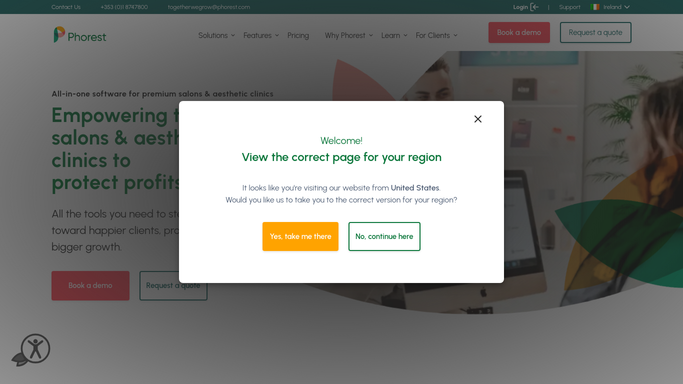
Automated Phorest Overdue Client Rebooking
Every Monday, WebRun opens Phorest, finds clients overdue for their usual rebooking interval, creates a Trello card per stylist with their list, and drafts a WhatsApp rebooking message for each client for you to approve.
Phorest›Trello›WhatsApp
Automated Phind Research Handoff to Trello
When a Phind search answers a flagged technical question, WebRun logs the answer and sources onto the linked Trello card and messages the teammate on WhatsApp that it's ready.
Phind›Trello›WhatsApp
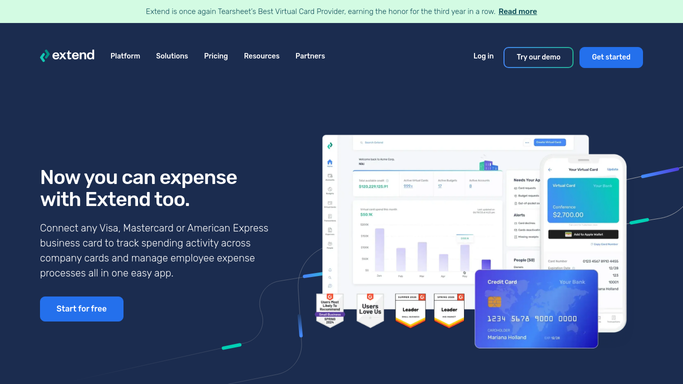
Automated Extend Virtual Card Limit Alerts
Every morning, WebRun checks Extend virtual card spend against limits, logs near-limit cards to Trello, and alerts you on WhatsApp.
Extend›Trello›WhatsApp
Automated Paysend Transfer Reconciliation
Every morning, WebRun checks Paysend for the status of every transfer, logs anything still unconfirmed to Trello, and messages you on WhatsApp when one is stuck.
Paysend›Trello›WhatsApp
Automated PayFast Payment Reconciliation
Every night, WebRun matches PayFast payments to your orders, logs unmatched ones to Trello, and sends a WhatsApp reconciliation summary.
PayFast›Trello›WhatsApp
Automated Paycor New Hire Onboarding Checklist
When a new hire lands in Paycor, WebRun builds a Trello onboarding checklist covering paperwork, direct deposit, and benefits, and posts a Teams message handing it to the hiring manager.
Paycor›Microsoft Teams›Trello
Automated Paperform Weekly Submission Scorecard
WebRun tallies the week's Paperform submissions and completion rate per form, posts the scorecard to Microsoft Teams, and opens a Trello card for any form whose completion rate dropped.
Paperform›Microsoft Teams›Trello
Automated OneTrust Overdue Task Chasing
Every week, WebRun reviews OneTrust for overdue data subject requests and assessment tasks, creates a Trello card for each owner, and posts a chase summary to Microsoft Teams.
OneTrust›Microsoft Teams›Trello
Automated OneLogin Dormant Account Reviews
Every Monday, WebRun checks OneLogin for user accounts with no login in 30 days, adds each to a Trello review board, and messages your IT admin on WhatsApp.
OneLogin›Trello›WhatsApp
Automated OCBC Overdue Documentation Chase
WebRun checks OCBC for pending compliance or trade finance documents, creates a Trello card for anything overdue, and posts a reminder to Microsoft Teams.
OCBC Bank›Microsoft Teams›Trello
Automated Nozbe and Trello Task Reconciliation
WebRun compares your Nozbe project tasks against the shared Trello board your team also tracks work on, flags anything missing from either side, and drafts a WhatsApp note to the task owner so gaps get closed.
Nozbe›Trello›WhatsApp
Automated Neteller Withdrawal Review Alerts
WebRun scans Neteller for high value withdrawal requests, creates a review card in Trello, and pings your finance teammate on WhatsApp before it gets processed.
Neteller›Trello›WhatsApp
Automated Nectar Weekly Recognition Wrap-Ups
Every Friday, WebRun pulls this week's Nectar recognition posts and reward redemptions, tracks standout moments on a Trello board, and hands the wrap-up to your culture lead over WhatsApp.
Nectar›Trello›WhatsApp
Automated n8n Workflow Failure Handoff
Every hour, WebRun checks n8n's execution history for failed workflow runs, opens a Trello card with the error details, and posts it to Microsoft Teams so a teammate can pick it up.
n8n›Microsoft Teams›Trello
Automated Milanote Creative Board Handoff
When a Milanote board is marked ready for handoff, WebRun summarizes its notes and boards, creates a Trello card for the next teammate with a link back, and posts a heads up in Microsoft Teams.
Milanote›Trello›Microsoft Teams
Automated Mem Follow-Up Note Alerts
WebRun watches Mem for notes tagged follow-up or urgent that have sat untouched for a day, turns each into a Trello card, and pings the team in Microsoft Teams.
Mem›Microsoft Teams›Trello
Automated Meltwater Media Mention Digest
WebRun checks Meltwater each morning for new media and social mentions, logs notable ones as Trello cards, and alerts your team on WhatsApp.
Meltwater›Trello›WhatsApp
Automated Melio Bill Exception Alerts
WebRun checks Melio for bills awaiting approval or failed payments, creates a Trello card for each exception, and posts an alert to your accounts payable Teams channel.
Melio›Microsoft Teams›Trello
Automated Mandrill Daily Send Volume Digest
Every morning, WebRun opens Mandrill, reads yesterday's send volume and bounce rate, posts the numbers to Teams, and creates a Trello card if the bounce rate looks high.
Mandrill›Microsoft Teams›Trello
Automated Loops Stalled Journey Tracking
WebRun finds contacts who have sat on the same Loops journey step for too long without progressing, creates a Trello card for the product team, and sends a WhatsApp alert when a paid customer is stuck.
Loops›Trello›WhatsApp
Automated LimeSurvey Weekly Results Scorecard
Every Monday, WebRun opens LimeSurvey, pulls the past week's responses across your active surveys, posts the scorecard to Microsoft Teams, and creates a Trello card for any question with a spike in negative answers.
LimeSurvey›Microsoft Teams›Trello

Want one of these running on your own Trello?

Show WebRun the process once and it will run it on schedule, in your own private browser environment.