How to Automate Slack

Slack automates in two layers. Workflow Builder, reminders and vendor Slack apps cover anything that starts inside Slack or gets pushed to it. Getting an answer out of a tool that never built a Slack app is the layer people still do by hand, one browser tab at a time.

Slack is where the company keeps its attention

Slack is a messaging app that turned into something else along the way: the place a company keeps its attention. Decisions get made in a thread before they are written down anywhere official. The person who needs to know something asks in a channel rather than opening the system that holds the answer. New staff learn how the business actually works by scrolling.

Most companies run a few dozen channels and about four that matter. The one where orders come in. The one where things break. The one where the numbers get posted every morning. Those few are checked constantly, by people who are supposed to be doing something else.

That is both the value and the cost. Everything important passes through Slack, which is what makes it worth automating. Everything unimportant passes through too, which is why half the workspace has notifications off.

Someone is quietly paid to watch the dashboards

In most teams one person has become the human integration layer, without anyone deciding they should be.

They open the payment dashboard each morning and post yesterday's total. They check whether the overnight job finished and tell the channel either way. They copy the day's bookings across because the booking system has no Slack app. When somebody asks whether an order shipped, they open another tab and look.

None of that is in their job description. It is what happens when the tool everyone watches knows nothing about the tools that hold the facts. The channel is full of people and short of data.

The slack.com homepage, the app these three jobs run in. Slack
Morning numbers Yesterday's takings, failures and bookings read from the systems that hold them and posted before the team logs on.
The usual questions, answered Whether it shipped, whether it cleared, whether the status changed, checked and posted without anyone opening a tab.
Exceptions only The three lines that fell below reorder, not the two hundred that did not. Quiet channels are the ones people still read.

Workflow Builder only reacts to what happens inside Slack

Slack automates a fair amount on its own, and for what it covers it is good.

Workflow Builder runs a sequence when someone joins a channel, reacts with an emoji, submits a form or clicks a button. Reminders repeat on a schedule. Scheduled send posts a message you already wrote at a time you pick. Hundreds of products publish a Slack app that pushes their own events into a channel.

Every one of those is triggered by something that happened in Slack, or pushed in by a vendor who decided to build the integration. That is the ceiling. A workflow cannot go and look at anything. It posts what it is handed.

So the gap is every tool that never built a Slack app: the supplier portal, the council website, the twenty-year-old booking system, the bank. Those hold the answers people ask for in channels all day, and Slack has no way to reach them.

The channel can report before anyone asks

Change what is able to reach the channel and the whole thing inverts. Instead of people asking the channel questions, the channel starts answering them first.

Yesterday's takings, posted at seven, read from the till system that only ever shows them on a dashboard. The overnight payment failures, listed by customer, out of a portal with no export. The three stock lines that dropped below reorder, checked across every supplier you buy from. The bookings that came in during the night from a system that never built an integration.

The same goes for the questions people ask over and over. Whether a shipment moved. Whether a permit changed status. Whether a listing is still on the first page. Whether a competitor put their price up again. Each of those is somebody opening a tab, looking, and typing what they saw.

One thing worth building in from the start: a channel that posts everything gets muted inside a week, and a muted channel is worse than no channel. The version that survives posts what changed and stays quiet otherwise. Report the exception, not the heartbeat.

Nobody has to be watching at six in the morning

The till system will not post its own number into a channel, and the number is wanted before the doors open. Reading it off a screen at that hour is work, but it is not the kind that justifies a phone by the bed.

WebRun is an AI agent that works a real Chrome browser, signed in as you. It opens the portal or the dashboard, reads what is on the screen, and posts the result into the channel you choose. Because it works the browser rather than an API, it reaches the tools that never built a Slack app, which is most of them.

It runs on your schedule in your own private environment, and you can watch a run and stop it. Anything that would reach a customer drafts and waits for you.

The workflows below are already built, and each one names the apps it touches.

Questions people ask

Will it post to a channel without me approving it?

Posting to your own internal channel runs on its own, because a message you did not want is a message you delete. Anything customer-facing, like an email or a public reply, is drafted and waits for a person.

Do we need a paid Slack plan or admin rights?

No. It posts through the browser using the access you already have, so there is no app to get approved into the workspace and no admin ticket to wait on.

How do we stop it turning into noise?

Post exceptions rather than everything. Each workflow decides what is worth saying: the lines below reorder, the payments that failed, the job that did not finish. A channel that only speaks when something changed keeps getting read.

5,789 ready-made Slack workflows

Each one names the apps it touches and the exact steps it takes. Open one to read what it will do, then turn it on.

Automated Signaturely Daily Status Digest
Every morning, WebRun opens Signaturely, checks the status of every document sent for signature, posts a daily digest of what's signed and what's pending to Slack, and sends a Telegram alert for anything declined.
SignaturelySlackTelegram
Automated SentinelOne Daily Threat Digest
Every morning, WebRun reviews SentinelOne for overnight threat detections and mitigations, saves the log to Google Drive, and posts a summary to Slack.
SentinelOneGoogle DriveSlack
Automated Sendwave Recipient Setup Tracking
WebRun checks Sendwave for a new recipient's verification status, saves the verification documents to Google Drive, and posts setup progress to Slack.
SendwaveGoogle DriveSlack
Automated Schedulicity Weekly Bookings Export
Every Monday, WebRun opens Schedulicity, pulls the past week's bookings, saves the full export as a record in Google Drive, and posts the booking count and top services to Slack.
SchedulicityGoogle DriveSlack
Automated SaneBox Filtered Mail Digest
Every morning, WebRun checks what SaneBox filtered out of your inbox yesterday, flags anything from a known contact, saves a log to Google Drive, and posts a digest to Slack.
SaneBoxGoogle DriveSlack
Automated Retool Weekly Usage Scorecard
Every Monday, WebRun checks Retool's app usage and audit logs, exports a backup copy to Google Drive, and posts a weekly scorecard to Slack.
RetoolGoogle DriveSlack
Automated Replicate Failed Run Alerts
Every hour, WebRun checks your Replicate predictions for failed or errored runs, posts the details to Slack, and mirrors repeating failures to Telegram.
ReplicateSlackTelegram
Automated Remote OK Weekly Posting Scorecard
WebRun checks how your Remote OK job postings performed this week, posts a scorecard to Slack, and archives the numbers in Google Drive.
Remote OKGoogle DriveSlack
Automated Reed Daily Application Digest
WebRun checks Reed.co.uk for new applications each morning, saves every CV to Google Drive, and posts a short summary to Slack for your hiring team.
ReedGoogle DriveSlack
Automated Reclaim Weekly Time Defense Report
WebRun reviews the week's Reclaim habits and task scheduling, saves a summary report to Google Drive, and posts the highlights to Slack every Friday.
ReclaimGoogle DriveSlack
Automated Qwen Conversation Archiving
Every morning, WebRun opens Qwen, copies out yesterday's chat conversations, saves each as a dated file in Google Drive, and posts a Slack summary of what got archived.
QwenGoogle DriveSlack
Automated Pushwoosh Stale Subscriber Alerts
WebRun checks Pushwoosh for push subscribers who have gone inactive or stopped receiving notifications, posts a Slack alert, and escalates to Telegram if the inactive share is large.
PushwooshSlackTelegram
Automated ProjectManager.com Weekly Health Scorecard
Every Friday, WebRun pulls task completion status for every project in ProjectManager.com, posts the weekly health scorecard to Slack, and flags anything that's gone red on Telegram.
ProjectManager.comSlackTelegram
Automated ProductPlan Timeframe Expiry Reminders
WebRun checks ProductPlan for roadmap bars whose end date is coming up while still marked in progress, checks Google Drive for the linked spec's last update, and posts a Slack reminder before the timeframe runs out.
ProductPlanGoogle DriveSlack
Automated Picktime Daily Booking Digest
Every morning, WebRun opens Picktime, lists every appointment booked for today, posts the full schedule to Slack, and sends a Telegram alert right away if anything gets cancelled during the day.
PicktimeSlackTelegram
Automated Pi AI Daily Reflection Digest
Every morning, WebRun reviews yesterday's Pi conversations, summarizes the topics and any commitments you mentioned, posts the digest to Slack, and pings Telegram with today's top commitment.
PiSlackTelegram
Automated PayU Payment Method Setup Tracking
WebRun checks PayU for which payment methods and KYC steps are live, posts setup progress to Slack, and pings you on Telegram once everything is enabled.
PayUSlackTelegram
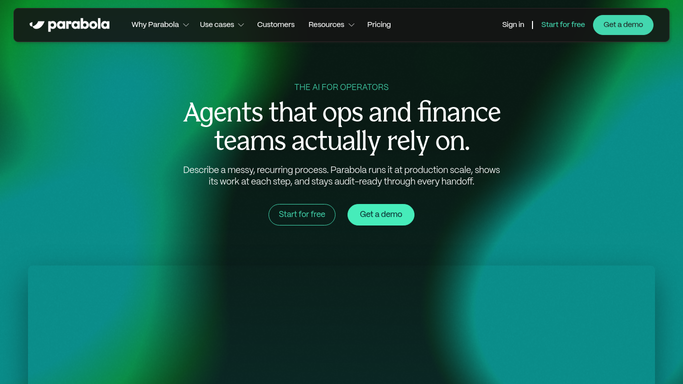
Automated Parabola Flow Export Digest
After a Parabola flow finishes running, WebRun saves the resulting export to Google Drive and posts a completion summary with the row count to Slack.
ParabolaGoogle DriveSlack
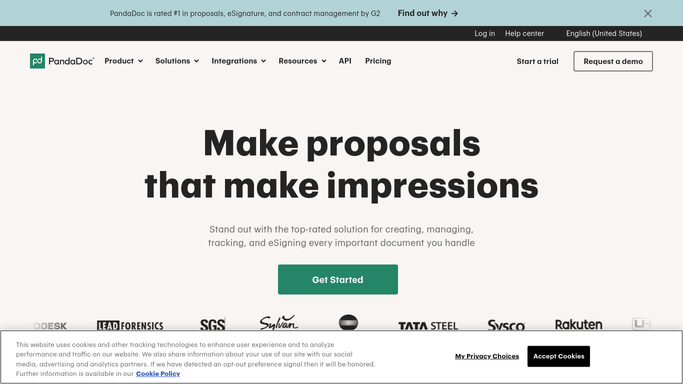
Automated PandaDoc Stalled Proposal Alerts
WebRun watches your PandaDoc proposals, flags any that have been viewed but not signed for several days, alerts the deal owner in Slack, and archives finished documents to Google Drive.
PandaDocGoogle DriveSlack
Automated PalmPay Daily Transaction Digest
Every night, WebRun saves your PalmPay wallet transactions to Google Drive and posts a digest of the day's totals to Slack.
PalmPayGoogle DriveSlack
Automated Outgrow Weekly Engagement Scorecard
Every Monday, WebRun opens Outgrow, pulls the past week's completions across your calculators and quizzes, archives the full lead export to Google Drive, and posts the scorecard to Slack.
OutgrowGoogle DriveSlack
Automated OpenVPN Session Reconciliation
Every morning, WebRun checks OpenVPN Access Server for connected sessions, posts the reconciled list to Slack, and alerts Telegram if a session doesn't match an active employee.
OpenVPNSlackTelegram
Automated Ontraport Stalled Contact Alerts
WebRun finds contacts who have sat in an Ontraport follow-up sequence without responding, saves the list to Google Drive, and posts a Slack alert to the sales owner.
OntraportGoogle DriveSlack
Automated Microsoft Bookings No-Show Digest
WebRun checks yesterday's Microsoft Bookings appointments for no-shows and cancellations, then posts a short digest to Slack and Telegram so staff know who to follow up with.
Microsoft BookingsSlackTelegram

Want one of these running on your own Slack?

Show WebRun the process once and it will run it on schedule, in your own private browser environment.