How to Automate Xero

Xero automates in two layers. Bank feeds, bank rules, repeating invoices and invoice reminders handle anything already inside the ledger. Collecting the evidence behind those entries, from card processor payouts, till dashboards and supplier portals with no export, is still done by hand, and it is the layer an agent like WebRun takes on.

Xero turned the accounts into something the owner opens themselves

Xero is cloud accounting software, and its real achievement was making the books into something a business owner will actually open. The accounts used to live on a machine in the bookkeeper's office while everyone else waited for a report. Now the owner, the bookkeeper and the accountant are in the same file, on the same reconcile screen, on the same Tuesday.

What sits in it is the whole shape of the business. Every invoice sent and every bill owed. The bank feed, pulling transactions in overnight. The contacts, the chart of accounts, the sales tax return waiting to be filed. The dashboard the owner glances at to see whether there is enough to cover payroll on Friday.

It runs businesses that have nothing else in common: a cafe, a distributor, a modelling agency, an HVAC wholesaler. What they share is that Xero has to be right, because it is the copy of the business that eventually gets filed.

Coding transactions is the last step, not the long one

Ask anyone who keeps a set of books where the hours really go, and it is not the reconcile screen. Clicking OK on a suggested match takes a second.

The hours go into everything that happens before that. Logging into the card processor to work out which lump-sum payout covers which day's sales. Downloading the month's supplier invoices one account portal at a time, because none of them email a PDF. Reading a till system's report on screen and typing the totals in by hand, because the export it offers is not the export you need. Chasing the same four subcontractors for the same four receipts.

Each of those is a person with fifteen browser tabs open, doing work that is entirely mechanical and entirely necessary. It is also the work that quietly decides whether the books are two days behind or two months.

The xero.com homepage, the app these three jobs run in. Xero
The payout, broken down The lump sum from the card processor split back into the days and the sales it covers, before anyone asks where the difference came from.
Bills and receipts collected Supplier invoices pulled from each account portal the day they appear, so the bookkeeper is never the one chasing PDFs.
Books level with the business Yesterday's takings from the till system compared with what Xero recorded, so a gap is one day old instead of one quarter.

Xero automates the ledger, not the paperwork behind it

Xero does a great deal on its own, and all of it is worth switching on first.

Bank feeds bring transactions in from the bank automatically, so nothing gets keyed. Bank rules code the recurring ones for you: the parking, the bank charges, the same supplier every month, categorised on sight. Repeating invoices go out on a schedule without anybody remembering. Invoice reminders chase late payers with polite emails you never have to write. The reconciliation screen suggests a match for most lines before you look at them.

The pattern in all of it is that Xero acts on things that have already reached Xero. A bank rule needs a bank statement line. A reminder needs an invoice that exists in the system. A repeating invoice needs somebody to have set it up once.

None of it can go and get anything. The supplier invoice behind a login on a merchant portal, the payout breakdown on the card processor's dashboard, the daily total the till system will only ever show on a screen: Xero has no way to reach any of them and never claimed it did. Somebody fetches them, and that somebody has a chair.

The month can close itself as it goes

Take the fetching away and the shape of the month changes. Instead of a reconciliation done in one sitting three weeks late, the books stay level with the business.

Yesterday's takings read off the till system's dashboard and compared with what Xero recorded, so a gap is a one-day problem rather than a quarter-long mystery. Tuesday's payout from the card processor broken back down into the sales it covers, which is the most tedious job in retail bookkeeping and the one nobody volunteers for.

Supplier invoices collected from each account portal the day they appear and filed against the right bill. Bills falling due this week checked against what is actually in the account before anyone approves a payment run. The job or stock figures in the operational system compared with the ledger while the difference is still small enough to explain.

There is a line worth drawing here. Reading a portal and writing a note into the books is safe, and running it nightly beats running it monthly. Paying a bill, sending a customer a demand or filing a return are a different kind of act, and each of them should end with a person clicking the button.

Reconciling does not need a person in the room

The merchant portal gets opened, the invoice gets found, and it gets carried to where the ledger can see it. All three happen on a Tuesday evening, and none of them is a decision.

WebRun is an AI agent that works a real Chrome browser, signed in as you. It opens the card processor, the till system or the supplier's account portal, reads what is on the screen, and writes the result into Xero or the sheet your accountant works from. Because it drives the browser instead of an API, it reaches the systems that never built an integration, which is most of the older ones.

It runs on your schedule in your own private environment, and you can watch a run and stop it partway. Anything that moves money or reaches a customer is drafted and waits for you.

The workflows below are already built, and each one names the sites it opens.

Questions people ask

Does it need the Xero API or an add-on from the app store?

No. It signs into Xero in a real browser with the access you already have, so there is nothing to connect and no app to approve. The same is true of the portals it reads on the way in.

Will it post journals or change the chart of accounts?

Only where you point it, and most workflows post nothing at all. The common pattern is to write findings into a sheet or an email for the bookkeeper. Where a workflow does write into Xero, it names the screen and the fields before you turn it on.

Can it pay a bill or file a return?

No, and it should not. Anything that moves money or gets filed with a tax authority is prepared and left for a person to approve. Reading portals, comparing figures and filing paperwork are the parts that run on their own.

52 ready-made Xero workflows

Each one names the apps it touches and the exact steps it takes. Open one to read what it will do, then turn it on.


Syngency Automated Usage and Residual Tracking
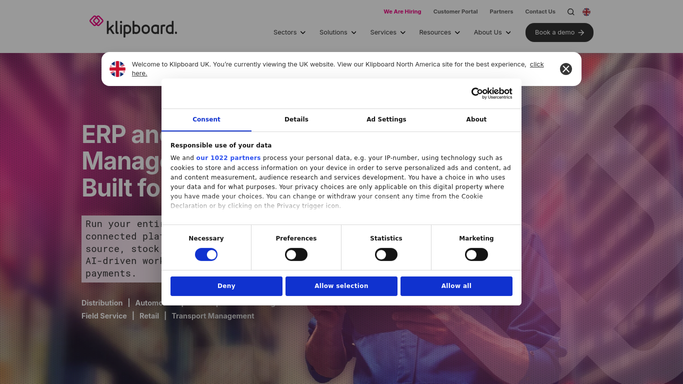
Every Monday, WebRun checks Syngency for bookings with usage rights or residual windows expiring in the next 30 days, cross checks Xero for whether the renewal has been billed, drafts a renewal invoice in Xero for anything unbilled, and logs the full status in Google Sheets.
SyngencyXeroGoogle Sheets
Automated accesso Per Cap Spend Report
Every Monday, WebRun combines the week's admission revenue and retail and food and beverage sales from accesso, cross checks the totals against Xero, calculates per cap spend by day, and posts leadership a Slack report.
accessoXeroSlack
Automated Bsale SII Submission Reconciliation
Every night, WebRun compares the boletas and facturas Bsale sent to SII against what is booked in Xero, flags any document that is accepted but unbooked or rejected and unresolved, and posts the gaps to Slack for your accountant.
BsaleXeroSlack
Automated Marg ERP Supplier Payment Reminders
Every morning, WebRun checks Marg ERP for supplier bills due in the next few days, cross-checks what is already scheduled in Xero, and alerts your accounts team on Telegram with what still needs action, so no due date or early payment discount gets missed.
Marg ERPXeroTelegram
Automated Vyapar Top Debtors Report
Every Monday, WebRun opens Vyapar, ranks your biggest outstanding balances by amount and age, cross-checks them against Xero, and posts your finance team a ranked debtors report in Slack.
VyaparXeroSlack
StoreHub Deadstock and Top-Seller Report
Every Monday, WebRun ranks your StoreHub products by sales, cross-checks cost and margin in Xero, and posts a top-seller and dead-stock report to Slack.
StoreHubXeroSlack
Automated Seasonal HVAC Demand Forecasting
WebRun compares this season's sell-through in Savance Enterprise (Klipboard) against last year's pace, checks current order coverage in Xero, and posts a by-SKU stocking forecast so purchasing can get ahead of the rush.
Savance Enterprise (Klipboard)XeroSlack
Syngency Automated Talent Payout Reconciliation
Every Monday, WebRun calculates what is owed to each talent for last week's completed bookings in Syngency, compares it to what Xero shows as actually paid out, flags any mismatch, and posts the reconciliation to your finance lead in Telegram.
SyngencyXeroTelegram
Automated CourseStorm Scholarship Waiver Tracking
Every morning, WebRun checks CourseStorm for new scholarship and fee waiver requests, checks each applicant's balance in Xero, logs the request and status in Google Sheets, and drafts the waiver adjustment for your business office to approve, never applying it automatically.
CourseStormXeroGoogle Sheets
Automated Yoco VAT Invoice Export
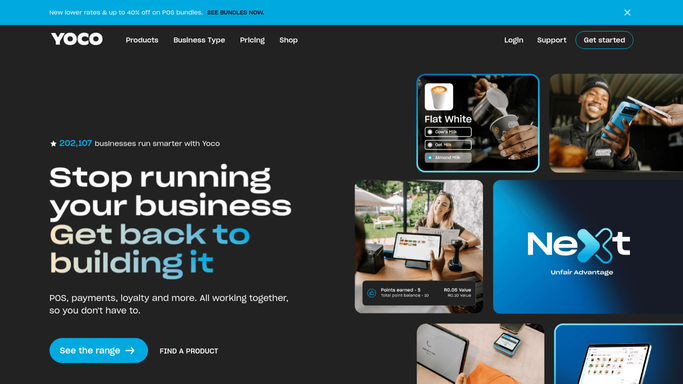
Every month, WebRun pulls all of the month's Yoco transactions, sorts them into a VAT ready invoice export with the tax breakdown, and emails it to your accountant to review before it goes anywhere near a VAT return.
YocoXeroGmail
Zoho POS Automated Payment Settlement Reconciliation
Every night, WebRun totals what Zoho POS recorded by UPI, card, and cash, compares it against the actual bank settlement in Xero, and flags any mismatch in a Google Sheets reconciliation log.
Zoho POSXeroGoogle Sheets
Automated Poster Weekly P&L Summary
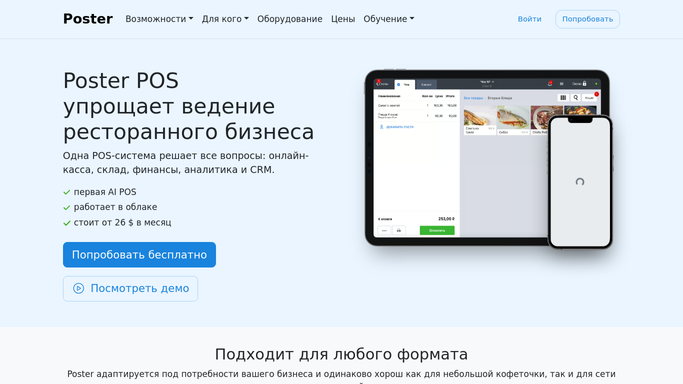
Every week, WebRun pulls revenue and cost of goods from Poster, reads overhead and payroll from Xero, and emails you a weekly P&L summary with your margin called out.
PosterXeroGmail
Automated Marg ERP Scheme Reconciliation
Every night, WebRun compares scheme and discount entries in Marg ERP against the scheme master, flags any invoice that under or over applied a scheme, records the value gap in Xero, and logs every mismatch to Google Sheets for review.
Marg ERPXeroGoogle Sheets
Automated Bukku Peppol Delivery Status Check
Every morning, WebRun opens Bukku, checks the Peppol network delivery status of e-invoices sent to business customers, cross-checks the ones who share their books in Xero to confirm the bill was received, and posts your team a Slack list of anything stuck or failed.
BukkuXeroSlack
Automated Restroworks Food Cost Variance
Every Monday, WebRun opens Restroworks recipe costing, compares theoretical food cost against actual usage for the past week, checks vendor spend in Xero for price changes, and logs the variance by outlet and menu category to Google Sheets.
RestroworksXeroGoogle Sheets
Automated Poster Till Cash Reconciliation
After every till close, WebRun compares the expected cash total in Poster to what was actually counted, and sends a reconciliation summary to Telegram with any gap explained.
PosterXeroTelegram
Automated Petpooja Payroll Hours Export
Every Monday, WebRun reads last week's staff attendance in Petpooja, calculates hours and overtime in Google Sheets, and drafts a payroll run in Xero for you to review before you pay.
PetpoojaGoogle SheetsXero
Automated Poster Supplier Order Drafts
Every morning, WebRun checks Poster ingredient stock against your par levels, works out what each supplier needs to deliver, and drafts the purchase order in Gmail for your review.
PosterGoogle SheetsXero
Automated StoreHub Promo Uplift Report
Every Monday, WebRun compares last week's StoreHub promotion sales to your baseline, factors in margin from Xero, and writes a clear uplift summary to Google Sheets.
StoreHubXeroGoogle Sheets
Automated Bukku Multi Currency Invoice Summary
Every Friday, WebRun opens Bukku, totals your outstanding invoices by currency, adds any foreign currency invoices raised in Xero, converts everything to Ringgit at the week's rate, and logs one combined multi currency exposure summary to a sheet.
BukkuXeroGoogle Sheets
Automated Bsale Monthly Tax Summary Export
On the first of each month, WebRun totals last month's Bsale sales by document type and tax collected, exports the summary to Google Sheets, and posts to Slack so your accountant can file with SII without digging through reports.
BsaleXeroGoogle Sheets
Automated GoFrugal Outlet Margin Summary
Every Monday, WebRun pulls last week's sales and gross margin per outlet from GoFrugal, adds each outlet's operating costs from Xero, and posts a ranked net-margin summary to Slack.
GoFrugalXeroSlack
Automated Bukku Xero P&L Digest
On the first business day of the month, WebRun opens Bukku, pulls last month's profit and loss, combines it with your related entity's numbers in Xero, and sends you a Telegram digest of revenue, costs, and margin across both books.
BukkuXeroTelegram
Zoho POS Automated Vendor Payment Due Reminders
Every morning, WebRun checks which vendor bills recorded in Zoho POS are due in the next 3 days, confirms they aren't already paid in Xero, and sends you a WhatsApp reminder so no payment slips past its due date.
Zoho POSXeroWhatsApp

Want one of these running on your own Xero?

Show WebRun the process once and it will run it on schedule, in your own private browser environment.