How to Automate Slack

Slack automates in two layers. Workflow Builder, reminders and vendor Slack apps cover anything that starts inside Slack or gets pushed to it. Getting an answer out of a tool that never built a Slack app is the layer people still do by hand, one browser tab at a time.

Slack is where the company keeps its attention

Slack is a messaging app that turned into something else along the way: the place a company keeps its attention. Decisions get made in a thread before they are written down anywhere official. The person who needs to know something asks in a channel rather than opening the system that holds the answer. New staff learn how the business actually works by scrolling.

Most companies run a few dozen channels and about four that matter. The one where orders come in. The one where things break. The one where the numbers get posted every morning. Those few are checked constantly, by people who are supposed to be doing something else.

That is both the value and the cost. Everything important passes through Slack, which is what makes it worth automating. Everything unimportant passes through too, which is why half the workspace has notifications off.

Someone is quietly paid to watch the dashboards

In most teams one person has become the human integration layer, without anyone deciding they should be.

They open the payment dashboard each morning and post yesterday's total. They check whether the overnight job finished and tell the channel either way. They copy the day's bookings across because the booking system has no Slack app. When somebody asks whether an order shipped, they open another tab and look.

None of that is in their job description. It is what happens when the tool everyone watches knows nothing about the tools that hold the facts. The channel is full of people and short of data.

The slack.com homepage, the app these three jobs run in. Slack
Morning numbers Yesterday's takings, failures and bookings read from the systems that hold them and posted before the team logs on.
The usual questions, answered Whether it shipped, whether it cleared, whether the status changed, checked and posted without anyone opening a tab.
Exceptions only The three lines that fell below reorder, not the two hundred that did not. Quiet channels are the ones people still read.

Workflow Builder only reacts to what happens inside Slack

Slack automates a fair amount on its own, and for what it covers it is good.

Workflow Builder runs a sequence when someone joins a channel, reacts with an emoji, submits a form or clicks a button. Reminders repeat on a schedule. Scheduled send posts a message you already wrote at a time you pick. Hundreds of products publish a Slack app that pushes their own events into a channel.

Every one of those is triggered by something that happened in Slack, or pushed in by a vendor who decided to build the integration. That is the ceiling. A workflow cannot go and look at anything. It posts what it is handed.

So the gap is every tool that never built a Slack app: the supplier portal, the council website, the twenty-year-old booking system, the bank. Those hold the answers people ask for in channels all day, and Slack has no way to reach them.

The channel can report before anyone asks

Change what is able to reach the channel and the whole thing inverts. Instead of people asking the channel questions, the channel starts answering them first.

Yesterday's takings, posted at seven, read from the till system that only ever shows them on a dashboard. The overnight payment failures, listed by customer, out of a portal with no export. The three stock lines that dropped below reorder, checked across every supplier you buy from. The bookings that came in during the night from a system that never built an integration.

The same goes for the questions people ask over and over. Whether a shipment moved. Whether a permit changed status. Whether a listing is still on the first page. Whether a competitor put their price up again. Each of those is somebody opening a tab, looking, and typing what they saw.

One thing worth building in from the start: a channel that posts everything gets muted inside a week, and a muted channel is worse than no channel. The version that survives posts what changed and stays quiet otherwise. Report the exception, not the heartbeat.

Nobody has to be watching at six in the morning

The till system will not post its own number into a channel, and the number is wanted before the doors open. Reading it off a screen at that hour is work, but it is not the kind that justifies a phone by the bed.

WebRun is an AI agent that works a real Chrome browser, signed in as you. It opens the portal or the dashboard, reads what is on the screen, and posts the result into the channel you choose. Because it works the browser rather than an API, it reaches the tools that never built a Slack app, which is most of them.

It runs on your schedule in your own private environment, and you can watch a run and stop it. Anything that would reach a customer drafts and waits for you.

The workflows below are already built, and each one names the apps it touches.

Questions people ask

Will it post to a channel without me approving it?

Posting to your own internal channel runs on its own, because a message you did not want is a message you delete. Anything customer-facing, like an email or a public reply, is drafted and waits for a person.

Do we need a paid Slack plan or admin rights?

No. It posts through the browser using the access you already have, so there is no app to get approved into the workspace and no admin ticket to wait on.

How do we stop it turning into noise?

Post exceptions rather than everything. Each workflow decides what is worth saying: the lines below reorder, the payments that failed, the job that did not finish. A channel that only speaks when something changed keeps getting read.

5,789 ready-made Slack workflows

Each one names the apps it touches and the exact steps it takes. Open one to read what it will do, then turn it on.

Follow Up on Unresolved Tickets
WebRun finds open tickets that haven't had a reply in too long and drafts a polite follow-up for each one - so no customer is left waiting without an update.
ZendeskGmailSlack
Route Support Tickets to the Right Team
WebRun reads every new ticket and assigns it to the correct team - Technical, Billing, Onboarding, or General - so tickets reach the right expert from the moment they arrive.
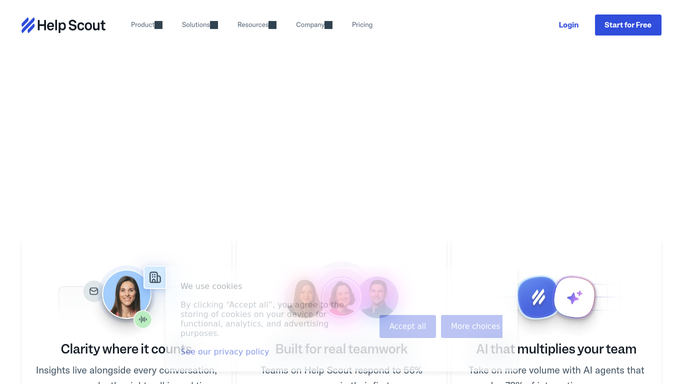
Help ScoutSlack
Weekly Support Trends Report
Every Monday, WebRun analyses last week's ticket data and delivers a clear trends report - volume, top issues, CSAT, and resolution time - so you can spot problems and improve.
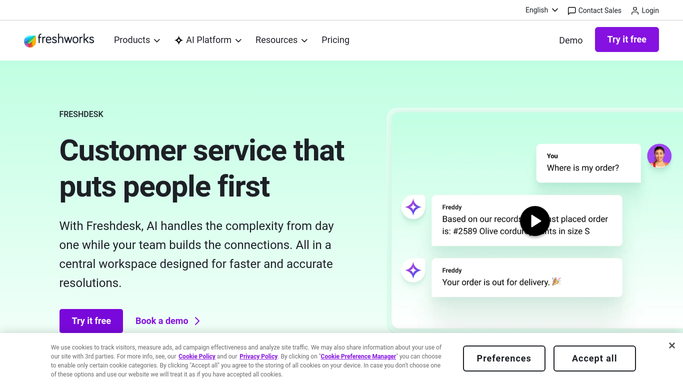
FreshdeskGoogle SheetsSlack
SLA Breach Warnings Before They Hit
WebRun monitors your open ticket queue every hour and alerts your team the moment any ticket is at risk of missing its SLA - so you can act before the clock runs out.
ZendeskSlack
Cluster Bug Reports From Tickets
WebRun groups similar bug reports from your support queue into clusters, so your engineering team can see which bugs are hitting the most customers - before anyone has to manually triage.
IntercomJiraSlack
Find Feature Requests in Support Tickets
WebRun reads your closed support tickets, spots the ones that are really product feedback or feature requests, and logs them to your product backlog - so no customer insight gets lost.
ZendeskLinearSlack
Daily Support Queue Digest
Every morning, WebRun scans your open ticket queue and delivers a clear digest - open counts, oldest tickets, and today's priorities - so your team starts the day focused.
ZendeskSlack
Escalate Angry & Urgent Tickets Instantly
WebRun reads every new ticket for distress signals and escalates the heated ones to a senior agent before the customer has to ask twice.
ZendeskSlackGmail
Triage & Tag Support Tickets Automatically
The moment a ticket lands, WebRun reads it, assigns the right category and priority tags, and routes it to the correct team queue - so your agents open an already-sorted inbox.
FreshdeskSlack
Draft Ticket Replies From Help Docs
When a support ticket arrives, WebRun finds the most relevant help article and drafts a personalised reply for your agent to review and send.
ZendeskHelp ScoutSlack
Run Your Month-End Close Checklist
At the end of every month, WebRun works through your close checklist - verifying reconciliations, flagging open items, and checking that every task is ticked - so your books close on time and nothing is missed.
QuickBooksGoogle SheetsSlack
Route Vendor Bills for Approval
When a new vendor bill arrives in Bill.com, WebRun checks it against your approved vendor list, extracts the key details, and routes it to the right approver via Slack - so nothing is paid without the right eyes on it.
Bill.comGoogle SheetsSlack
Categorise Bank Transactions Automatically
WebRun reviews every uncategorised transaction in Xero, suggests the right account code based on vendor and description, and presents them for your one-click approval - no more end-of-month categorisation backlogs.
XeroGoogle SheetsSlack
Weekly Aged-Receivables Summary
WebRun pulls your full aged-receivables report, groups balances by how long they have been outstanding, and delivers a prioritised collection list so you know exactly where to focus.
XeroGoogle SheetsSlack
Budget Variance Alerts, Automated
WebRun compares your actual spend in QuickBooks to your monthly budget, and alerts you the moment any category runs meaningfully over or under - so surprises hit your Slack, not your year-end.
QuickBooksGoogle SheetsSlack
Weekly P&L Snapshot, Automated
Every week WebRun pulls your income and expense totals from Xero, compares them to last week and the same period last year, and delivers a plain-English P&L summary before your Monday morning starts.
XeroGoogle SheetsSlack
Recover Failed Stripe Payments Automatically
WebRun spots every failed Stripe payment, drafts a recovery email for each customer, and shows you who needs a follow-up call - so you recover revenue without chasing manually.
StripeGmailSlack
Run a Payroll Pre-Check Before Pay Day
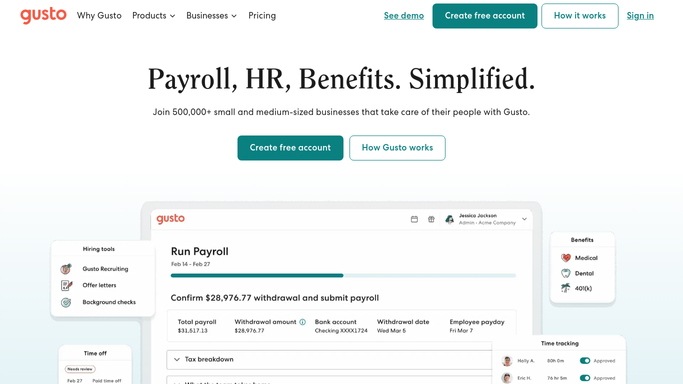
Before payroll is processed, WebRun verifies headcount, hours, and deductions in Gusto and flags any discrepancy for you to fix - so no one is overpaid, underpaid, or missed.
GustoGoogle SheetsSlack
Flag Duplicate & Unusual Expenses
WebRun scans your expense feed for duplicate charges and out-of-pattern spending, then surfaces the suspicious ones for your review before they hit the books.
RampGoogle SheetsSlack
Daily Cash Position Report
Every morning WebRun checks your bank feed and accounts in Xero, calculates today's cash position, and posts a plain-English summary before you start your day.
XeroGoogle SheetsSlack
Chase Overdue Invoices Automatically
WebRun finds every past-due invoice, drafts a polite reminder for each customer, and gives you a clear picture of who still owes you money.
QuickBooksGmailSlack
Build Your Influencer Outreach Shortlist
WebRun searches Instagram and TikTok for creators whose audience matches your target customer, evaluates their engagement rates, and delivers a shortlist of the best candidates for you to reach out to.
InstagramTikTokGoogle Sheets
A/B Test Email Subject Lines Automatically
WebRun sets up a Mailchimp A/B subject-line test for your next campaign, monitors the results, and sends you a digest declaring the winner so you can send to your full list with confidence.
MailchimpGoogle SheetsSlack
Draft Replies to Social Media DMs
WebRun reads new DMs on Instagram and LinkedIn, drafts a personalised reply to each one, and sends you the drafts for approval - so no message goes unanswered and nothing goes out without your sign-off.
InstagramLinkedInNotion

Want one of these running on your own Slack?

Show WebRun the process once and it will run it on schedule, in your own private browser environment.