How to Automate Telegram

Telegram automates through its Bot API, which will post to a group or a channel on a schedule or on command. What a bot cannot do is find anything out. Getting the number onto the phone still needs something to read the system holding it first.

Telegram reaches the people who are not at a desk

Telegram is a free messaging app with groups, channels and bots, and for a lot of businesses it is the quickest way to reach someone who is nowhere near a computer. Drivers, engineers, site managers, kitchen staff and shop owners all have it open already.

It matters most where email is not really read and a desktop chat tool would never get installed. A crew of eight has a group. The owner has a channel where the day's numbers get posted. A supplier set up a bot that nobody ever configured properly.

Delivery is the appeal. A message lands on a phone in a pocket in about a second, costs nothing, and needs no licence and no company login. For a small operator that is often the only channel that genuinely works.

The person on site finds out last

The gap is never the sending. It is the knowing.

Someone at a desk checks whether the payment cleared, then types it into the group. Someone opens the job system to see which visits are booked for tomorrow and pastes the list in at nine at night. Someone notices at four in the afternoon that a delivery never left, four hours after the courier site said exactly that.

The information already exists. It is sitting behind a login on a screen nobody had open, waiting for a person to go and look before anyone else can be told.

By the time the group is told, the fact is often hours old, and the person it mattered to has already driven to the wrong place or waited for a part that was never coming.

The telegram.org homepage, the app these three jobs run in. Telegram
Tomorrow's list, tonight The next day's jobs read out of the scheduling system and posted to the crew group before anyone goes to bed.
Only what changed The deliveries that stopped moving and the payments that failed, rather than a full report nobody scrolls through.
Reaches people without a desk Drivers, engineers and site staff get the same facts as the office, on the phone already in their pocket.

A bot only says what it is handed

Telegram gives you real building blocks, and they are more capable than most people use.

The Bot API will post into a group or a channel on demand, run scheduled messages, offer buttons and keyboards, and take commands from members. Channels broadcast to any number of subscribers. A group can be quietly automated by a bot nobody has to think about.

What a bot cannot do is find anything out. It is a mouth, not a pair of eyes. Something has to hand it the figure, and that something is either a developer wiring up an API, assuming the system you care about even has one, or a person reading a screen and typing.

For most small operators it is the second, which is why so many of these groups are a stream of forwarded screenshots.

So the bot ends up as a megaphone for whatever a human already went and read, which is useful, but it is not automation.

The group can carry the day's facts

The posting has never been the problem. The reading in front of it is, and once a browser does that reading the group changes character.

Tomorrow's jobs, posted at six the evening before, read out of the scheduling system the office uses. The payments that failed overnight, named. The three deliveries that have not moved since yesterday, checked on the courier site by reference number. The stock lines that will not last the week.

It works the same way for the things people ask about all day. Whether the part arrived. Whether the invoice got paid. Whether the customer replied. Whether tomorrow is still going ahead.

Two things are worth deciding early. Post exceptions rather than everything, because a group that pings all day gets muted and then nobody sees the one message that mattered. And keep what goes to the crew separate from what goes to a customer: the crew group can run on its own, a message to a client should not.

Something has to go and look first

A bot will happily post the figure. Getting the figure is the part that still involves a person and a browser tab.

WebRun is an AI agent that works a real Chrome browser, signed in as you. It opens the scheduling system, the bank, the courier site or the supplier portal, reads what is on the screen, and hands the result to your bot to post into the group.

It runs on your schedule in your own private environment, and you can watch a run and stop it mid-way. Anything that would reach a customer is drafted and waits.

The workflows below are already built, and each shows exactly what it opens.

Questions people ask

Do I need a developer to set up a bot?

No. Creating a bot is a short conversation with BotFather inside Telegram and takes a couple of minutes. The part that normally needs a developer, getting real data to the bot, is what the workflow handles.

Can it message customers as well as staff?

It can, and that is the case to be careful with. Messages to your own crew group run on their own. Anything going to a customer is set up to draft and wait for a person to approve.

What if the group ends up too noisy?

Post exceptions rather than everything. Each workflow decides what is worth saying, so the group speaks when a delivery stalls or a payment fails, and stays quiet the rest of the time.

1,818 ready-made Telegram workflows

Each one names the apps it touches and the exact steps it takes. Open one to read what it will do, then turn it on.


Automated v0 Component Export Summary
Every night, WebRun checks v0 for components generated that day, posts a summary to Telegram, and texts you through Twilio if an export fails.
v0TelegramTwilio
Automated Upwork Daily Job Match Digest
WebRun finds new Upwork jobs matching your skills, posts a daily digest to Slack, escalates the best-paying ones to Telegram, and drafts a proposal for you to review before it is submitted.
UpworkSlackTelegram
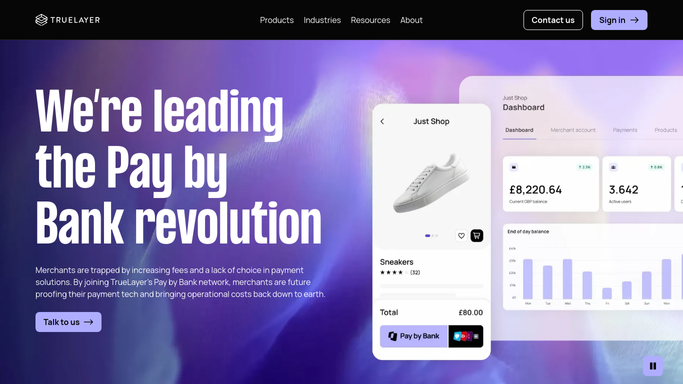
Automated TrueLayer Failed Payment Alerts
Every hour, WebRun checks TrueLayer for bank payments that failed, expired, or got stuck, posts the list to Telegram, and texts your team when a high-value payment needs attention.
TrueLayerTelegramTwilio
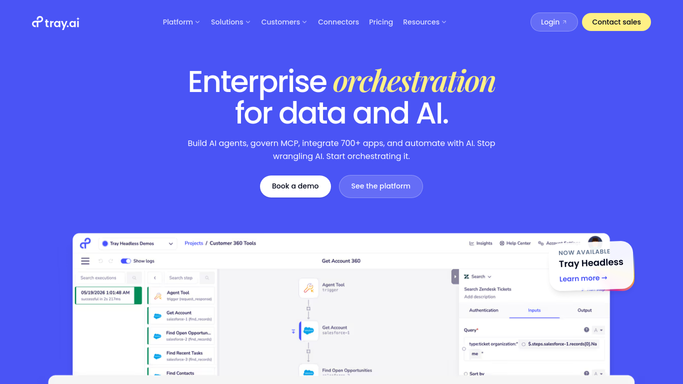
Automated Tray.io Workflow Latency Alerts
WebRun checks Tray.io workflow run times against their usual pace, posts a Slack alert when one is running unusually slow, and pings Telegram if it crosses a critical threshold.
Tray.ioSlackTelegram
Automated Toss Weekly Spending Scorecard
Every Monday, WebRun checks your Toss spending and budget for the past week, posts a scorecard to Slack, and sends you a copy on Telegram.
TossSlackTelegram
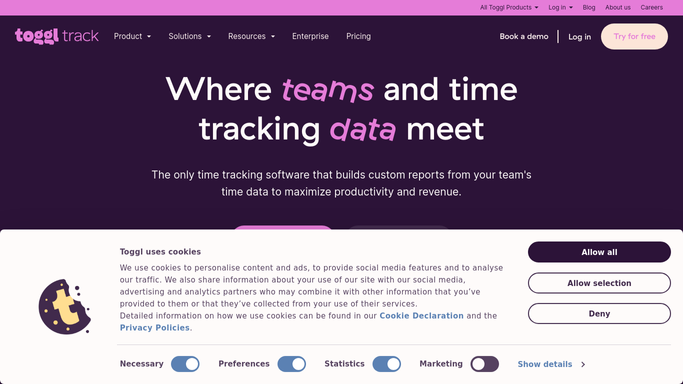
Automated Toggl Track Weekly Hours Scorecard
Every Friday, WebRun totals this week's Toggl Track hours by person and by project, posts a ranked scorecard to Telegram, and texts anyone with zero hours logged.
Toggl TrackTelegramTwilio
Automated Ladders Weekly Job Search Scorecard
WebRun checks The Ladders for new matching roles each week, posts a scorecard to Telegram, and texts you through Twilio when a top-fit role appears.
LaddersTelegramTwilio
Automated Teambition QA Handoff Alerts
The moment a Teambition task moves to ready for QA, WebRun posts the handoff details to the QA channel on Telegram and texts the QA lead directly through Twilio.
TeambitionTelegramTwilio
Automated Taleo Requisition Digests
Every morning, WebRun checks Taleo for new applicants across your open requisitions, posts a per-req summary to Slack, and pings Telegram when a requisition has gone quiet.
TaleoSlackTelegram
Automated Talent.com Candidate Shortlist Handoff
WebRun searches Talent.com for candidates matching your open roles, posts a shortlist to Telegram, and texts your recruiter through Twilio when a strong match turns up.
Talent.comTelegramTwilio
Automated Tailscale Stale Device Chasing
Every week, WebRun reviews your Tailscale network for devices that haven't connected recently or have an expiring key, posts a chase list to Slack, and mirrors it to Telegram.
TailscaleSlackTelegram
Automated Silicon Valley Bank Covenant Alerts
WebRun checks your Silicon Valley Bank account for balance movements against your loan covenant thresholds, posts an alert to Slack, and pings the CFO on Telegram for a breach.
Silicon Valley BankSlackTelegram
Automated Suno Daily Track Digest
Every night, WebRun checks Suno for tracks generated that day, posts the full list to Slack, and sends a separate Telegram notification for any track you liked.
SunoSlackTelegram
Automated Sudowrite Weekly Writing Scorecard
Every Monday, WebRun checks Sudowrite for last week's word count and writing sessions, sends the summary to Telegram, and texts a one-line recap.
SudowriteTelegramTwilio
Automated Sonix Transcription Quality Alerts
WebRun checks finished Sonix transcription jobs for low-confidence sections or outright failures, posts a review flag to Slack, and pings Telegram the moment a job fails.
SonixSlackTelegram
Automated Slido Unanswered Question Follow-Up
WebRun checks each finished Slido event for questions that went unanswered live, alerts the organizer in Telegram, and drafts a Twilio text follow-up for attendees who asked.
SlidoTelegramTwilio
Automated SimplyHired Applicant Intake
WebRun checks SimplyHired for new applications, posts a Slack note for each with stage set to New, and pings Telegram with a daily count.
SimplyHiredSlackTelegram
Automatic SIGNiX Expiring Request Alerts
Every morning, WebRun opens SIGNiX, finds signature requests expiring within 3 days, posts the full list to Telegram, and texts you through Twilio right away for anything expiring today.
SIGNiXTelegramTwilio
Automated Signeasy Overdue Signature Alerts
WebRun checks your Signeasy documents for signature requests still open past their due date and posts an internal alert to Slack and Telegram naming who still needs to sign.
SigneasySlackTelegram
Automated Signaturely Daily Status Digest
Every morning, WebRun opens Signaturely, checks the status of every document sent for signature, posts a daily digest of what's signed and what's pending to Slack, and sends a Telegram alert for anything declined.
SignaturelySlackTelegram
Automated Signal Critical Alert Relay
WebRun watches a dedicated Signal group used for critical alerts, forwards new messages to a Telegram ops channel immediately, and sends the on-call engineer a Twilio SMS page.
SignalTelegramTwilio
Automated SendGrid Bounce Spike Alerts
WebRun watches SendGrid bounce and spam-complaint rates after every send, and when one crosses your threshold, it pages the on-call deliverability engineer with the details.
SendGridTelegramTwilio
Automated Scale AI Labeling Progress Alerts
Every few hours, WebRun checks progress on your Scale AI labeling projects, flags any falling behind their target pace, posts to Telegram, and texts the project lead through Twilio when a deadline is at risk.
Scale AITelegramTwilio
Automated Sailthru Send Failure Monitoring
WebRun checks Sailthru triggered and lifecycle campaigns for send errors, posts an alert to Telegram, and texts the on-call engineer through Twilio if the failure affects a live campaign.
SailthruTelegramTwilio

Want one of these running on your own Telegram?

Show WebRun the process once and it will run it on schedule, in your own private browser environment.