How to Automate FEARTICKET
FEARTICKET sells the night: timed entry and slot-based booking, combo tickets, group bookings, add-ons, season passes, memberships, gift cards, promo codes, a waiting list, inventory control, a rule builder driving dynamic pricing, built-in digital waivers, scanning and a box office app. Weather and the listings guests read sit outside, which suits an agent like WebRun.
 Written by
Owen Hartley
Workflow engineer
Written by
Owen Hartley
Workflow engineer
 Reviewed by
Elliot Nakamura
Platform writer
Reviewed by
Elliot Nakamura
Platform writer
A haunt has a short season and a fixed count of slots
FEARTICKET is a ticketing and box office platform for the Halloween trade: haunted houses, scream parks, corn mazes, escape rooms, ghost tours and horror festivals.
A haunt is a strange business to run. The build takes months, the cast is hired, the fog machines are bought, and the whole thing is then sold across a run of nights that is mostly October weekends. There is a queue outside from seven, a limit on how many people can go through the doors in any ten minutes without ruining the scare, and no second attempt at a Saturday that was rained off.
So FEARTICKET holds what decides the night: what is on sale for each date, how many tickets sit in each entry slot, which are held back, who has signed a waiver, who has arrived, and what the gate took.
The office work waits until November
During the season nobody at a haunt is at a desk after dark.
The owner is in the queue line, the cast needs a break, and the box office is selling walk-ups to people who did not buy online. The rest happens in daylight, badly. Whether Saturday's forecast means opening at all. Whether the local paper's list of the best haunts still carries last year's address. Whether the radio station's promo code has been used, and how often. Which reviews came in overnight, and whether the one about the queue is fair. Whether the group that put a deposit down in August has paid the rest. How many held tickets are sitting on a night about to sell out.
None of it is difficult. All of it is time-critical, and on a run this short a week lost is a serious piece of the season.
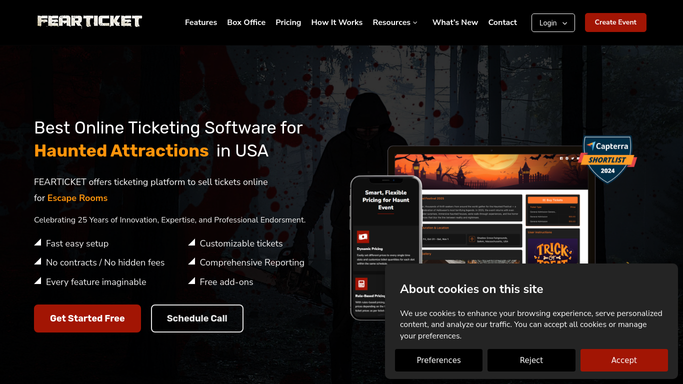
The rule builder prices a slot as it fills
FEARTICKET automates the selling thoroughly, and a haunt paying for it should have all of this configured before the gates open.
Timed entry and slot-based booking stagger arrivals so seven o'clock is not a mob. Inventory control holds the number in each slot, alongside held tickets, comps and shared ticket pools across events. The rule builder drives dynamic pricing on conditions such as day of week, time slot, remaining inventory and ticket bundle. Combo tickets, group bookings, add-ons, season passes, memberships, gift cards, merchandise and promo codes cover the rest of what a haunt sells, and a waiting list catches people who arrived after a night sold out. Digital waivers are built in and linked to ticket types, so you decide whether the buyer signs or everyone in the group does. A box office and organizer app takes walk-ups and scans at the door, staff can be given logins scoped to scanning or reporting only, and last year's event can be cloned into this one.
Every one of those acts on an order FEARTICKET took. The weather is not an order. Neither is the local listicle, the event page, the review site, the radio partner's page, or the haunt an hour away that has just announced a lights-on night.
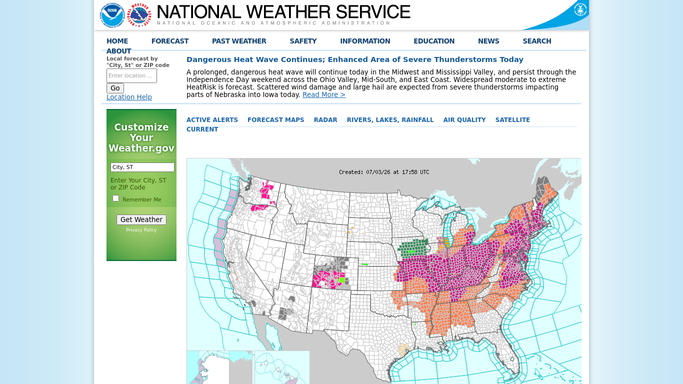
A storm on the second Saturday can be answered the same night
Tonight's slot list and tonight's forecast belong on the same page.
The holders in a window about to be rained on identified with their names and numbers already attached, ready for a manager to delay or close. Held, comp and staff inventory read off every slot on a night that is nearly sold out, so tickets sitting unclaimed on a Friday get a decision while they are still sellable.
Then the things that quietly decide how many tickets move at all. Local roundups and directory listings checked for your real dates, address and opening times, because a page carrying last year's hours sends a carload to a closed gate. Competing attractions' calendars and prices read for the same weekends. Promo codes issued to radio and sponsor partners counted by what has actually been redeemed rather than what was handed out. New reviews collected each morning with the night and the entry slot they came from, so a complaint about the queue at nine can be traced to the queue at nine.
Anything addressed to a ticket holder is drafted and waits. A message telling people not to come is the one a haunt cannot send twice.
A person writes what the guests read
Deciding to delay the eight o'clock slot belongs to whoever is running the night. Working out who is in that slot, what they paid and how to reach them is not, and it is the part that makes the call slow.
WebRun is an AI agent that works a real Chrome browser, signed in as you. It opens FEARTICKET, the forecast, the listings pages and the review sites, reads them, and comes back with the slot, the holders and the exceptions on one page.
It runs on your schedule in your own private environment, and you can watch a run and stop it. It does not release held inventory, close a slot or text a ticket holder on its own, and those wait for a person. Each workflow below names what it opens.
Questions people ask
Can it close or delay a time slot when a storm comes in?
No. It matches the weather window to tonight's slots and lists the holders with their numbers, then stops. Changing slot status or telling people not to come is left to a manager, because a haunt cannot un-send that message.
Will it release held tickets on its own?
No. It reads how much held, comp and staff inventory is sitting on each slot and how close the night is to selling out, then hands you the numbers. Releasing inventory is a revenue decision, so it waits for whoever owns that call.
Our season is six weekends. Is it worth setting up?
That is the argument for it. A short run means a missed check costs a proportion of the year rather than a slow week, and the setup carries over: the same run works next October against the event you cloned from this one.
10 ready-made FEARTICKET workflows
Each one names the apps it touches and the exact steps it takes. Open one to read what it will do, then turn it on.



Want one of these running on your own FEARTICKET?
Show WebRun the process once and it will run it on schedule, in your own private browser environment.