How to Automate Slack

Slack automates in two layers. Workflow Builder, reminders and vendor Slack apps cover anything that starts inside Slack or gets pushed to it. Getting an answer out of a tool that never built a Slack app is the layer people still do by hand, one browser tab at a time.

Slack is where the company keeps its attention

Slack is a messaging app that turned into something else along the way: the place a company keeps its attention. Decisions get made in a thread before they are written down anywhere official. The person who needs to know something asks in a channel rather than opening the system that holds the answer. New staff learn how the business actually works by scrolling.

Most companies run a few dozen channels and about four that matter. The one where orders come in. The one where things break. The one where the numbers get posted every morning. Those few are checked constantly, by people who are supposed to be doing something else.

That is both the value and the cost. Everything important passes through Slack, which is what makes it worth automating. Everything unimportant passes through too, which is why half the workspace has notifications off.

Someone is quietly paid to watch the dashboards

In most teams one person has become the human integration layer, without anyone deciding they should be.

They open the payment dashboard each morning and post yesterday's total. They check whether the overnight job finished and tell the channel either way. They copy the day's bookings across because the booking system has no Slack app. When somebody asks whether an order shipped, they open another tab and look.

None of that is in their job description. It is what happens when the tool everyone watches knows nothing about the tools that hold the facts. The channel is full of people and short of data.

The slack.com homepage, the app these three jobs run in. Slack
Morning numbers Yesterday's takings, failures and bookings read from the systems that hold them and posted before the team logs on.
The usual questions, answered Whether it shipped, whether it cleared, whether the status changed, checked and posted without anyone opening a tab.
Exceptions only The three lines that fell below reorder, not the two hundred that did not. Quiet channels are the ones people still read.

Workflow Builder only reacts to what happens inside Slack

Slack automates a fair amount on its own, and for what it covers it is good.

Workflow Builder runs a sequence when someone joins a channel, reacts with an emoji, submits a form or clicks a button. Reminders repeat on a schedule. Scheduled send posts a message you already wrote at a time you pick. Hundreds of products publish a Slack app that pushes their own events into a channel.

Every one of those is triggered by something that happened in Slack, or pushed in by a vendor who decided to build the integration. That is the ceiling. A workflow cannot go and look at anything. It posts what it is handed.

So the gap is every tool that never built a Slack app: the supplier portal, the council website, the twenty-year-old booking system, the bank. Those hold the answers people ask for in channels all day, and Slack has no way to reach them.

The channel can report before anyone asks

Change what is able to reach the channel and the whole thing inverts. Instead of people asking the channel questions, the channel starts answering them first.

Yesterday's takings, posted at seven, read from the till system that only ever shows them on a dashboard. The overnight payment failures, listed by customer, out of a portal with no export. The three stock lines that dropped below reorder, checked across every supplier you buy from. The bookings that came in during the night from a system that never built an integration.

The same goes for the questions people ask over and over. Whether a shipment moved. Whether a permit changed status. Whether a listing is still on the first page. Whether a competitor put their price up again. Each of those is somebody opening a tab, looking, and typing what they saw.

One thing worth building in from the start: a channel that posts everything gets muted inside a week, and a muted channel is worse than no channel. The version that survives posts what changed and stays quiet otherwise. Report the exception, not the heartbeat.

Nobody has to be watching at six in the morning

The till system will not post its own number into a channel, and the number is wanted before the doors open. Reading it off a screen at that hour is work, but it is not the kind that justifies a phone by the bed.

WebRun is an AI agent that works a real Chrome browser, signed in as you. It opens the portal or the dashboard, reads what is on the screen, and posts the result into the channel you choose. Because it works the browser rather than an API, it reaches the tools that never built a Slack app, which is most of them.

It runs on your schedule in your own private environment, and you can watch a run and stop it. Anything that would reach a customer drafts and waits for you.

The workflows below are already built, and each one names the apps it touches.

Questions people ask

Will it post to a channel without me approving it?

Posting to your own internal channel runs on its own, because a message you did not want is a message you delete. Anything customer-facing, like an email or a public reply, is drafted and waits for a person.

Do we need a paid Slack plan or admin rights?

No. It posts through the browser using the access you already have, so there is no app to get approved into the workspace and no admin ticket to wait on.

How do we stop it turning into noise?

Post exceptions rather than everything. Each workflow decides what is worth saying: the lines below reorder, the payments that failed, the job that did not finish. A channel that only speaks when something changed keeps getting read.

5,789 ready-made Slack workflows

Each one names the apps it touches and the exact steps it takes. Open one to read what it will do, then turn it on.
Automated Strapi Cloud Content Publishing Digest
WebRun checks your Strapi Cloud content every morning, notes what was published, updated, or left in draft, saves a backup export to Google Drive, and posts a summary to Slack.
Strapi CloudGoogle DriveSlack
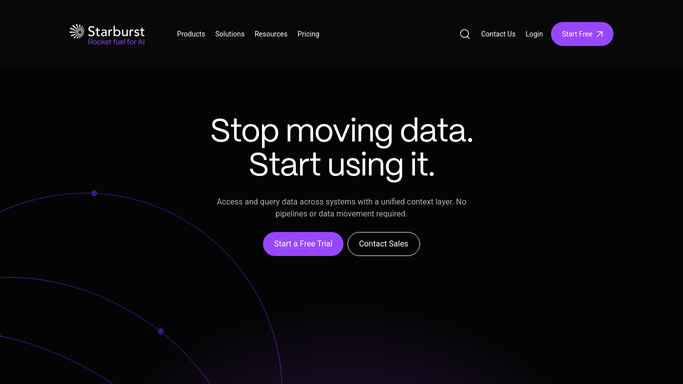
Automated Starburst Weekly Query Cost Scorecard
Every Monday, WebRun opens Starburst, reads last week's query volume and compute usage by team, posts a cost scorecard to Slack, and sends the full breakdown to Telegram so platform leads can see who is spending what before costs get out of hand.
StarburstSlackTelegram
Automated Staples Office Supply Reorder Alerts
WebRun checks your standing Staples supply list every week, posts the status to Slack, and pings Telegram if a critical item is out of stock.
StaplesSlackTelegram
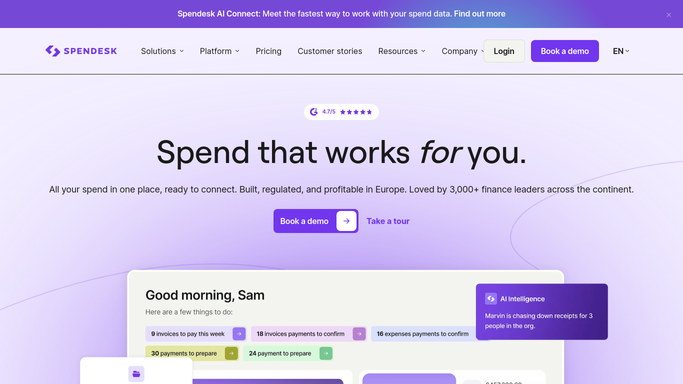
Automated Spendesk Approval Handoffs
Through the day, WebRun checks Spendesk for purchase and card requests waiting on approval, posts a Slack summary to the approver, and pings Telegram when a request has waited more than 3 business days.
SpendeskSlackTelegram
Automated Smartlook Checkout Error Handoff
Every morning, WebRun opens Smartlook, finds session recordings where a visitor hit a checkout error, saves the recording references to Google Drive, and posts the list to Slack so a developer can watch exactly what went wrong and fix it.
SmartlookGoogle DriveSlack
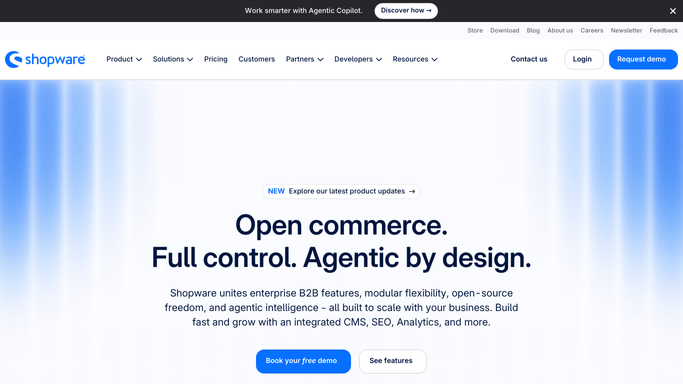
Automated Shopware Daily Order and Stock Digest
WebRun checks your Shopware store every evening, saves a digest of today's orders and low-stock products to Drive, and posts a summary to Slack.
ShopwareGoogle DriveSlack
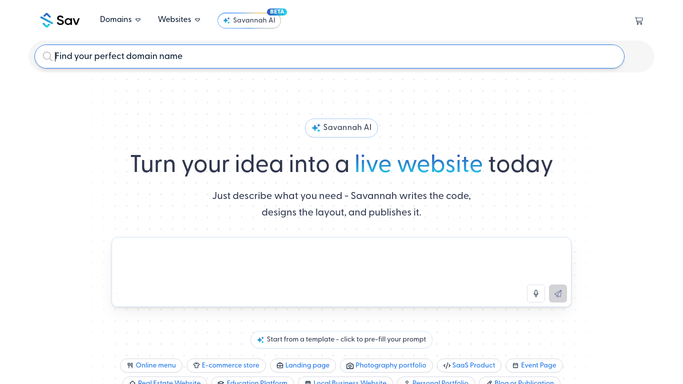
Automated Sav.com Domain Renewal Reminders
WebRun checks your Sav.com domain portfolio for upcoming expiry, posts a reminder to Slack, and mirrors it to Telegram.
Sav.comSlackTelegram
Automated Rydoo Expense Policy Alerts
Every morning, WebRun flags Rydoo expense claims that break policy, missing receipt, over mileage rate, or over meal limit, saves the flagged list to Google Drive, and posts a Slack alert to the approver.
RydooGoogle DriveSlack
Automated Robinhood Options Expiration Alerts
Every morning, WebRun reads your open Robinhood options positions, flags any expiring within 3 days, posts the list to Slack, and archives a snapshot of every open position to Google Drive.
RobinhoodGoogle DriveSlack
Automated ResellerClub Order Reconciliation
WebRun compares domains and hosting orders placed through ResellerClub against your client records in Google Drive, flags any mismatch, and posts a summary to Slack.
ResellerClubGoogle DriveSlack
Automated Remove.bg Batch Job Tracking
Every evening, WebRun checks Remove.bg for batch jobs processed that day, posts a summary to Slack, and flags any failed images on Telegram.
Remove.bgSlackTelegram
Automated Rancher Cluster Resource Threshold Alerts
WebRun watches resource usage across your Rancher-managed clusters, posts a Slack alert when a node crosses your CPU or memory threshold, and escalates to Telegram if it is still over threshold after 30 minutes.
RancherSlackTelegram
Automated Rabby Wallet Approval Risk Review
Every Monday, WebRun reviews the active token approvals across chains in your Rabby wallet, posts a summary to Slack, and pings Telegram if it finds an approval that looks unusually broad.
Rabby WalletSlackTelegram
Automated Quantum Metric Experience Anomaly Alerts
Every few minutes, WebRun checks Quantum Metric for a spike in checkout errors, rage clicks, or JavaScript errors, posts the anomaly to Slack with the page and the numbers, and pings the on-call engineer on Telegram so a broken experience gets fixed before it costs more conversions.
Quantum MetricSlackTelegram
Automated PrestaShop Weekly Store Scorecard
WebRun pulls your PrestaShop order count, revenue, and top products every week, posts the scorecard to Slack, and sends a Telegram alert if revenue drops more than 15 percent.
PrestaShopSlackTelegram
Automated Preset Stale Dashboard Alerts
Every Monday, WebRun opens Preset, finds dashboards and charts nobody has viewed in the last 30 days, saves the list to Google Drive, and posts it to Slack so owners can update or archive what is no longer useful instead of letting workspace clutter build up.
PresetGoogle DriveSlack
Automated Placeit Mockup Asset Tracking
Every day, WebRun checks Placeit for mockups created that day, archives a copy to Google Drive, and posts the day's list to Slack.
PlaceitGoogle DriveSlack
Automated Pinduoduo Daily Order Digest
Every morning, WebRun opens your Pinduoduo merchant backend, summarizes new orders and group buy completions from the day before, posts the full digest to Slack, and sends only the urgent items to Telegram for whoever's on call.
PinduoduoSlackTelegram
Automated PetSmart Supply Reorder Drafts
Every Monday, WebRun checks your PetSmart order history against your standing supply list, drafts the reorder cart, and posts it to Slack, escalating anything urgent to Telegram.
PetSmartSlackTelegram
Automated Percy Visual Diff Review Requests
WebRun watches your Percy visual test builds, archives new visual diffs to Google Drive, and posts a Slack alert asking a human to approve or reject them before the build merges.
PercyGoogle DriveSlack
Automated Pepperstone Margin Level Alerts
WebRun checks your open Pepperstone positions and margin level every hour, saves a dated snapshot to Google Drive, and posts a Slack alert the moment margin level drops within your danger threshold.
PepperstoneGoogle DriveSlack
Automated Payhip Daily Sales Digests
Every morning, WebRun checks Payhip for yesterday's digital product sales, archives a sales report to Google Drive, and posts the summary to Slack.
PayhipGoogle DriveSlack
Automated Pantheon Site Status Digest
Every morning, WebRun checks the Live environment of every Pantheon site for uptime, the last backup, and the last deploy, posts a digest to Slack, and sends an immediate Telegram alert for any site that is down.
PantheonSlackTelegram
Automated Pair Networks Launch Checklist
WebRun checks a new Pair Networks account's domain and email setup, posts progress to Slack, and mirrors updates to Telegram.
Pair NetworksSlackTelegram

Want one of these running on your own Slack?

Show WebRun the process once and it will run it on schedule, in your own private browser environment.