How to Automate ShelfPerks
ShelfPerks covers the inside of the shop: inventory with expiration tracking and alerts, low-stock alerts with reorder suggestions, automated supplier purchase orders, real-time analytics, and a loyalty programme. Recall notices, distributor deal sheets, delivery-app listings and wholesaler stock are other companies' pages, and reading those on a schedule suits an agent like WebRun.
 Written by
Sofia Marchetti
Marketing operations
Written by
Sofia Marchetti
Marketing operations
 Reviewed by
Elliot Nakamura
Platform writer
Reviewed by
Elliot Nakamura
Platform writer
A small shop's whole operation fits in one portal
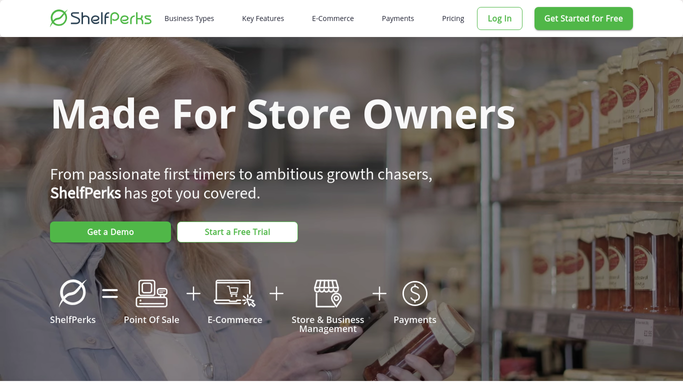
ShelfPerks calls itself a Store Operating System, which is a bigger claim than point of sale and, for the shops it serves, closer to what they actually need. Its own list of store types runs past thirty and takes in convenience, grocery, produce markets, health food, ethnic grocery, wine and liquor, and cheese and deli counters. The thread running through them is a small independent where the owner is also the buyer, the manager and usually the person on the till at four o'clock.
Everything runs through a cloud merchant portal, with a phone app for the jobs that happen away from the counter and an offline mode so the register keeps ringing when the internet does not. Products, suppliers, purchase orders, receiving, shipments, customers and sales sit in one account, priced with PLU codes and weight-based pricing for anything sold by the pound, with expiration tracking behind the perishables. One login holds the entire shop.
The shelf and the supplier's website disagree by Wednesday
What a shop like this knows about itself is excellent. What it knows about everybody else is a day or two out of date. The distributor publishes a deal sheet every week, and a promotional allowance on a case you have already bought is only claimable if somebody notices it. A manufacturer issues a recall, which goes up as a notice on a website and reaches most small shops through a customer or the evening news.
The delivery apps carry your catalogue, so an item that sold out on Saturday is still taking orders on Sunday at a price you changed in March. The wholesaler's ordering screen shows what is genuinely in the warehouse, which is how you learn that a third of Thursday's order will be substituted. And the shop across the road has its own price on the same case of water.
The date on the shelf label came from a keyboard
ShelfPerks is doing real work on the inside of the shop, and it should be pushed as far as it goes first. Inventory management runs expiration tracking on perishables with expiration alerts against them. Low-stock alerts fire on the fast movers with reorder suggestions behind them, and supplier purchase orders can be generated automatically rather than typed. Supplier management, shipment management and returns sit in the same account, alongside promotions and gift cards, a loyalty programme, roles and permissions, expense management and sales tax. Real-time analytics report sales, inventory and employee performance from anywhere, and self checkout and hardware integration cover the counter itself. That is a lot of shop for one portal.
The limit is where all of it gets its facts. An expiration alert fires on a date somebody keyed in at receiving. A reorder suggestion is calculated from your own sales history. A margin is measured against the cost on the last invoice you entered. Every one of those is your own data, read back accurately and on time. None of it opens the distributor's deal sheet, the manufacturer's recall notice, the delivery app's storefront or the wholesaler's ordering screen, because those pages belong to other companies.
A recall notice can reach the shelf the same morning
Give those pages a morning visit and a recall reaches the shelf on the day it is published. Manufacturer and distributor recall notices checked against your own item file, so the affected lot codes come off the shelf that morning rather than after a customer forwards a news story. This week's distributor deal sheet read and matched to what you actually bought, so an allowance you have already earned is claimed instead of quietly forgotten. Your listings on each delivery app compared against the shelf, so an item that is out is not still selling and a price you changed in the portal is not six months stale online.
The wholesaler's ordering screen read for real warehouse availability before Thursday's order goes in, so substitutions get chosen in the shop rather than accepted off the back of a lorry. The shop across the road priced on the twenty lines that actually decide where people stop for milk. Supplier rebate and promotion claims reconciled against your own sales, so money owed back to you is a figure rather than a feeling. All of it reads public pages and your own supplier logins, overnight.
Nobody hires a purchasing clerk for a corner shop
Deciding to pull a case, drop a price or claim a rebate is a call with money on it, and in a shop this size that call belongs to the owner. The looking does not have to.
WebRun is an AI agent that works a real Chrome browser, signed in as you. It opens a distributor's deal sheet, a recall notice, a delivery app's merchant back end or a wholesaler's ordering screen, reads what is on the page, and sets it beside the products, costs and sales already in ShelfPerks. Runs happen on a schedule you set, in your own private environment, and you can watch one and stop it. Anything that changes a price, an order or a listing is drafted and waits for you. The workflows below name the pages each one opens.
Questions people ask
Will it pull an item from sale by itself?
No. A recall check produces a list: the notice, the lot codes named in it, and the matching lines in your own item file. Taking stock off the shelf and blocking it at the till stays with a person, because that decision has a customer and a supplier attached to it.
Recall notices are published as web pages. Any way in?
Yes, and that is the normal case rather than the awkward one. A public notice page needs no login, no API and no arrangement with the publisher. The agent opens it in a real browser, reads the affected products and lot codes, and compares them against your own catalogue.
Is our supplier login safe with this?
Runs happen in your own private environment, signed in as you, under a policy that names which sites a run may open. Nothing is typed anywhere you have not allowed, every run leaves a record of what it opened, and you can watch one in progress and stop it.
10 ready-made ShelfPerks workflows
Each one names the apps it touches and the exact steps it takes. Open one to read what it will do, then turn it on.
 Shopify›


Want one of these running on your own ShelfPerks?
Show WebRun the process once and it will run it on schedule, in your own private browser environment.