How to Automate Zoho POS
Zoho POS, sold in India under the Zakya name, already automates the shop: one item repository across branches and warehouses, reorder points, purchase orders that convert into bills, scheduled reports, and links to Zoho Books and Zoho Commerce. Distributor portals, payment gateways and marketplace panels sit outside the suite, which is where an agent like WebRun signs in.
 Written by
Tom Kessler
Field operations analyst
Written by
Tom Kessler
Field operations analyst
 Reviewed by
Priya Raghavan
Solutions lead
Reviewed by
Priya Raghavan
Solutions lead
Zoho POS puts the till inside the rest of Zoho
Zoho POS is a cloud point of sale for retail, sold to small and medium shops and offered in India under the Zakya name. There is a billing application for the counter, a mobile checkout app for busy hours, and a web application for whoever reads the numbers.
What separates it from a standalone till is where it sits. A shop running it is usually running Zoho for other things too, so the item scanned at the counter is the item Zoho Commerce lists online and the item Zoho Books carries into the accounts. One repository of stock covers every branch and warehouse and syncs in real time, so a size sold in one shop is gone from the other.
For an independent retailer that is the whole business in one place: what is on the shelf, what sold, who bought it and what is owed in both directions.
A shop's evening gets spent in eleven browser tabs
The counter is the straightforward part. The buying and the getting paid are not.
Each distributor keeps a dealer site with this month's price list and last week's order status, one for every brand the shop carries. The payment gateway's dashboard shows what settled and what came off it, which is never the day's takings. The marketplace seller panels hold orders picked off the same shelves the walk-in customers are buying from. The courier's tracking page holds the parcel somebody is ringing about.
Then the paperwork. Vendor bills fall due and somebody should notice before the vendor does. Customers buying on credit slide past thirty days. What the till collected in tax has to be squared with the portal before anything is filed.
None of it is difficult. All of it is one person, a browser and an evening that was supposed to be over.
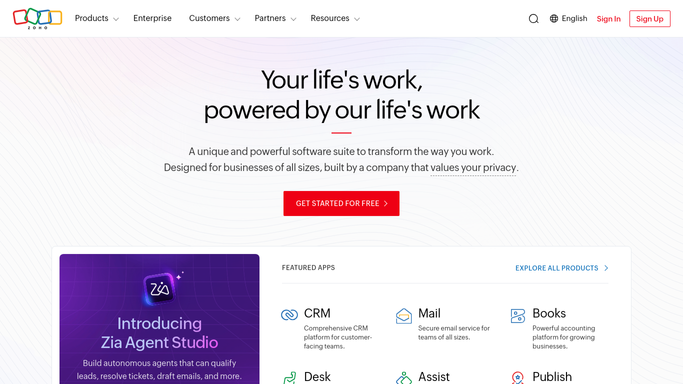
Zoho POS is strongest where the suite already reaches
Being part of a suite is the point here, and a shop treating it as a till alone is paying for a great deal it never opens.
Inventory keeps a single item repository across branches and warehouses with real-time sync, reorder points, item bundles, and price management in one place. Billing covers offline mode when the connection drops, holding and recalling a bill, and receipts you customise. Payments take cash, card, credit and a split across two or more modes. Vendors get purchase orders that convert into bills, purchase bills raised directly, and vendor credits. Analytics covers store performance, sales and inventory metrics, cash flow, user activity, and a scheduler that exports and sends reports. It connects to Zoho Books for accounting and GST, Zoho Commerce for the online store, Shopify, and Twilio for SMS.
That last line is where the shape shows. The connections are real and useful, and every one is a system somebody already built a connection to.
Your distributor has not. Neither has the payment gateway whose settlement report you read every morning, the marketplace seller panel, the courier or the tax portal. Each shows the number once you have signed in, and not before.
A store can hold its own against every channel it sells on
The stock file is right. The question is whether everybody the shop deals with agrees with it.
Each distributor's current price read against the price on the shop's last purchase order, so an increase is a question before the order goes out, not a surprise on the bill. Reorder points that have fired turned into a draft order on the right dealer site, sized against what genuinely sold.
The gateway's settlement report set against the day's takings, so the gap between what customers paid and what reached the account is a named figure with every deduction beside it. Vendor bills coming due gathered into one list, and customer balances past thirty days into another, each with a reminder written and waiting.
Marketplace orders read out of every seller panel and checked against real shelf stock, so a size that walked out at lunchtime is not promised online at four. Best sellers laid beside stock that has not moved in ninety days, which is where the shop's money sits.
Tax is the same job with a stricter ending. What the till collected can be reconciled against what the portal shows, with every difference named, and that runs unattended overnight. Filing the return, or paying anybody, waits for the person who signs it.
The last mile of a Zoho stack is a browser
Everything inside the suite already talks to everything else. The distributor, the gateway, the seller panel and the tax portal never will, and between them they own half the evening.
WebRun is an AI agent that operates a real Chrome browser using your own logins. It signs into the dealer site, the seller panel or the gateway dashboard, reads the screen, and brings it back next to what Zoho POS recorded, with the differences named.
Runs happen on a schedule you choose, in your own private environment. You can watch one and stop it part-way. Anything that spends money, files a return or reaches a customer is drafted and left for you.
Each workflow below is already built, and states what it reads and where.
Questions people ask
Is this something we would build in Zoho Flow or Deluge instead?
Those are the right tools between systems that expose an API, and inside the Zoho suite they are hard to beat. A distributor dealer site, a gateway dashboard and a marketplace seller panel expose nothing, so the only way in is the browser, signed in as you.
What happens to our tax figures if it reads something wrong?
Nothing is filed, so nothing breaks. The workflow assembles what the till collected beside what the portal shows and names every difference, which is a document a person reads. The return is still submitted by whoever signs it.
We sell on Zoho Commerce and two marketplaces. Which channel wins on stock?
Zoho POS stays the single source, and that does not change. The workflows read each marketplace seller panel and report where its listed quantity has drifted from the item repository, so somebody can correct the channel rather than discover the oversell at dispatch.
12 ready-made Zoho POS workflows
Each one names the apps it touches and the exact steps it takes. Open one to read what it will do, then turn it on.
Want one of these running on your own Zoho POS?
Show WebRun the process once and it will run it on schedule, in your own private browser environment.