How to Automate O-Valet
O-Valet automates the car itself: SMS or plastic tickets, damage photos taken before a vehicle moves, driver tracking and kiosk payment. The reconciling sits outside it. Hotel folios, validation accounts, insurer claim pages and the building's vendor portal are read by an agent like WebRun, signed in as you.
 Written by
Marta Ellison
Automation strategist
Written by
Marta Ellison
Automation strategist
 Reviewed by
Grace Okafor
Healthcare operations
Reviewed by
Grace Okafor
Healthcare operations
A valet stand is a business built on other people's cars
O-Valet is cloud-based valet parking software, and the trade it serves is stranger than it looks from the front steps. A hotel, a hospital or a restaurant hands its entrance to somebody else, and that operator takes charge of several hundred cars a night, none of which it owns and most of which cost more than the contract to park them.
The software runs the handover. A driver greets the guest and issues a ticket, which can be an SMS, a paper stub or a re-usable plastic tag, photographs the car's existing scuffs before it moves, and logs where it went and how long the run took. The guest asks for it back by SMS, from an app, at a kiosk or in person, and pays by card, by cash or against a validation account.
Hotels, hospitals, shopping centres, apartment blocks and airports all run that same loop, at different hours.
A night's takings have to be agreed with three other people
The cars are the straightforward part. What follows a shift is a set of numbers that only agree once somebody sits down and makes them agree.
The stand's own total has to match what the property posted to guest folios, which means opening the hotel's system and going room by room for the ones that charged parking. Validations issued by the restaurant, the spa and the clinic each knock a different amount off the take, and none of them warned the stand in advance. Tips have to be divided across the drivers who actually worked. The monthly invoice to the building's management company has to go into their vendor portal in their format, with a current certificate of insurance behind it.
Then the claims. A guest emails eleven days later about a scratch along a wing. The photographs exist. Finding the ticket they belong to, then following the claim through an insurer's site, is somebody's afternoon.
Total Accountability covers the lot and nothing past it
The software is thorough about what happens on the forecourt, and an operator still running a stand on paper stubs is losing money they will never trace.
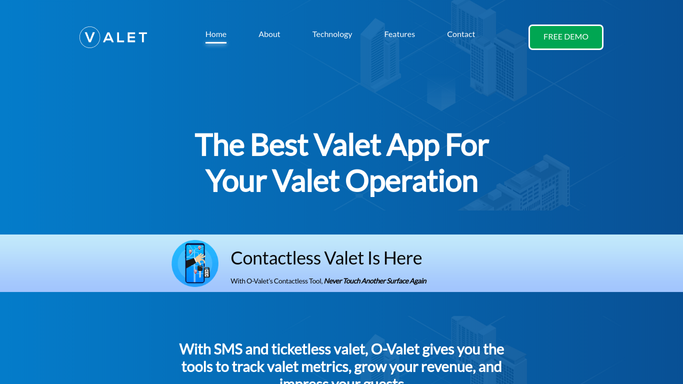
SMS Ticketless does away with the stub, so a guest calls for their car from the text they already have. Damage Photos records a vehicle's condition at check-in, which is the cheapest defence there is against a claim made a fortnight later. Total Accountability stamps an attendant's name and a time onto every action, so a car nobody can find has a trail behind it. Around those sit gate arm integration, the O-Lounge TV that calls a guest's car in the bar, and links into hotel systems including Opera, OnQ and Galaxy Lightspeed.
What all of it shares is a boundary. Each of those describes an event on your own lot, recorded by a driver holding a phone.
None of it knows what the property actually posted to a folio, what this quarter's form in the management company's portal is asking for, whether the adjuster has moved on a claim, or that four hundred people are arriving on Thursday for a wedding nobody mentioned to the stand.
The banquet sheet decides how many drivers are needed
A shift gets planned rather than survived.
Tomorrow's group arrivals and the banquet calendar read out of the property's own system each evening, so the roster is set against a four hundred cover wedding instead of discovering it at six. The arena and the convention centre on the same block publish their schedules openly, so a Saturday with three events becomes a staffing decision made on Wednesday.
Then the money. Last night's tickets set against what the property posted to rooms, with the charges that never landed listed by number rather than found in a monthly variance. Validation accounts checked against the restaurant's own totals. The management company's vendor portal opened to see whether the invoice cleared, whether the insurance certificate is current, and what new document appeared this month.
And the claims that outlive the guest's stay. A complaint matched back to its ticket, the driver on it and the pictures taken before the car moved, so a reply goes out with evidence attached.
Fetching and comparing can run unattended. Anything that pays a driver, answers a claim or sends a landlord an invoice is drafted and waits for a manager.
Drivers were hired to park cars, not to reconcile rooms
Working out which rooms were charged for parking means opening the hotel's system and reading it line by line. It is not work for whoever ran the stand until two in the morning.
WebRun is an AI agent that works a real Chrome browser, signed in as you. It opens the property management system, the management company's vendor portal, an insurer's claim page or the venue calendar next door, reads what is on the screen, and sets it beside what O-Valet recorded.
It runs on your schedule in your own private environment, and you can watch a run and stop it. Tip payouts, claim replies and invoices are prepared and held for approval.
The workflows below are already built, and each one names what it opens.
Questions people ask
The hotel's system will not give us a report. Can anything be done with that?
Yes. It reads the folio screen the way your night auditor does, then sets those postings beside the tickets O-Valet recorded and lists the rooms that do not match. No integration, no developer and no export file are involved anywhere in that.
Will it pay out driver tips or reply to a damage claim?
No. Tip splits and claim replies are drafted with the shift, the ticket and the check-in photographs already attached, then held for a manager. Money reaching a driver and a written answer reaching a guest are both decisions a person should make.
We run stands at six properties on different hotel systems. Does that break it?
No, and it is the normal case. Each site keeps its own logins and its own list of pages to open, so one run covers a hotel on Opera and a medical centre with its own portal. Adding a property means adding a login and saying what to read.
12 ready-made O-Valet workflows
Each one names the apps it touches and the exact steps it takes. Open one to read what it will do, then turn it on.


Want one of these running on your own O-Valet?
Show WebRun the process once and it will run it on schedule, in your own private browser environment.