How to Automate Locus Technologies
Locus already validates, converts and flags analytical data as it loads, and its compliance calendars carry permit obligations and corrective actions with due dates. The laboratory's client portal and the agency reporting sites sit outside it, so an agent like WebRun downloads deliverables, flags exceedances and confirms submissions were accepted.
 Written by
Aiko Tanabe
Product researcher
Written by
Aiko Tanabe
Product researcher
 Reviewed by
Nikhil Bhatt
Automation strategist
Reviewed by
Nikhil Bhatt
Automation strategist
Locus holds every sample a site has ever produced
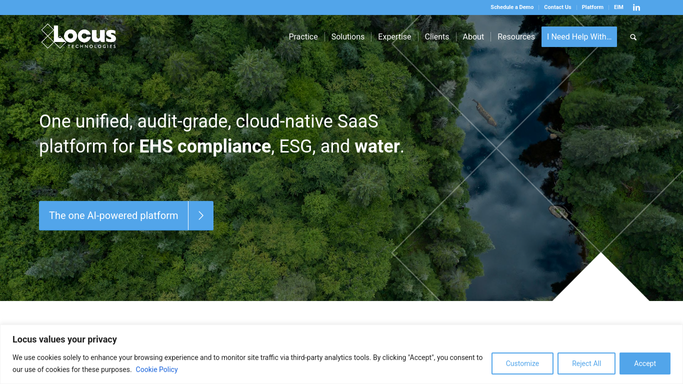
Locus Technologies makes environmental, health, safety and sustainability software, and its longest-running product is Locus EIM, an environmental information management system used by consultancies, water utilities, chemical manufacturers and government agencies since the late nineties.
What it holds is a site's whole analytical history. Every groundwater sample from every monitoring well, every analyte and its result, the detection limits, the field measurements, the lithology, the locations on a map, and the permit conditions saying which of those numbers must stay under which threshold and by when.
That history is the deliverable. An environmental consultant is not paid for opinions but for a defensible record: what was sampled, when, by whom, at what limit, and what the number came back as. A remediation project that runs for twenty years is twenty years of that record, and it gets read by a regulator who was never on site.
The result you need is on the lab's website, not in the database
None of that record starts inside Locus. It arrives from other organisations, on their schedule, through their websites.
The laboratory is the obvious one. A sample goes out, and days later the result comes back as an electronic data deliverable and a signed PDF report, published to the lab's own client portal. Somebody logs in, finds the work order, downloads both, checks the file is in the right format and loads it. Until that happens, the exceedance sitting inside it does not exist.
The regulator is the other direction. A discharge monitoring report goes up to NetDMR. Groundwater and soil data for a California site goes to GeoTracker in its own upload format, and that site is what tells you whether it was accepted. Each has a login, a submission window, and its own way of failing quietly.
Around those sit permit renewals, the air district's annual filing, waste manifests, and the rain gauge that decides whether a stormwater sampling obligation was triggered last night.
EIM validates a result the moment it lands
Once data is inside, Locus does a great deal with it, and a team that has not set the automated checks up is doing by eye what the system will do on load.
EIM accepts analytical data through several electronic data deliverable formats as well as FTP, Excel imports, mobile devices and manual entry, then converts units, flags likely errors and runs automated validation before a result is accepted, which is the difference between a database and a filing cabinet. The Sample Planning Module builds and tracks a sampling programme from planned through to submitted, so what should have been collected is a record rather than a memory. Locus Mobile syncs field measurements, surveys and notes back into the same forms and tasks. Compliance calendars, tasks and workflows carry permit obligations, inspections and corrective actions with their due dates, and the Audits and Inspections app turns questionnaire responses into follow-up that is scheduled rather than remembered.
All of it assumes the data is in. Getting it in, and getting a finished report back out to an agency, is where a person is still doing the clicking.
Exceedances get found the night the lab posts them
Change who does that clicking, and the gap between a result existing and somebody knowing about it closes to nothing.
The lab portal checked every evening, with new deliverables and reports downloaded, matched to the right project and site, and anything above a permit limit or a screening level flagged before the project manager opens their email. An exceedance found on the night it posts leaves room to resample. The same exceedance found on Friday does not.
Regulatory submissions confirmed rather than assumed: whether last week's upload was really accepted, whether the confirmation exists, whether the agency has posted a comment against it. A quiet rejection that only surfaces at the next audit is the expensive kind.
Overnight rainfall read off the nearest public gauge, so a qualifying storm puts a stormwater sampling window on the right person's list at six in the morning rather than after it has closed.
Permit pages and public notice boards watched for renewals, changed limits and comment periods. Laboratory accreditations and staff certifications checked before the date rather than after it.
A signature on a compliance report stays a person's
None of that involves filing anything. Gathering, matching, checking and flagging can all run overnight, and the moment a submission carries a certification statement it belongs to whoever signs it.
WebRun is an AI agent that works a real Chrome browser, signed in as you. It opens the laboratory's client portal, an agency reporting site, a permit page or a public gauge, reads what is there, and puts the result where the project is run from: a deliverable downloaded and staged, an exceedance flagged, a submission shown to have been accepted or not.
It runs on your schedule in your own private environment, you can watch a run and stop it, and anything that would submit a report to a regulator is prepared and left for a person to review and sign.
The workflows below are already built, and each one names the sites it opens.
Questions people ask
EIM already validates our data. What does this add?
The step before it. EIM's checks run once a deliverable is loaded, and they are a large part of why the database is defensible. Getting the file off the laboratory's portal in the first place is still somebody opening a browser.
Will it file a discharge monitoring report for us?
No. It prepares the submission and checks whether a previous one was accepted. A regulatory filing carries a certification statement, so the act of submitting stays with the person who signs it.
Is it safe to let something near our compliance data?
It works under a policy that says which sites it may open and what it may do there, it runs signed in as you rather than through a shared key, and you can watch a run and stop it part way.
12 ready-made Locus Technologies workflows
Each one names the apps it touches and the exact steps it takes. Open one to read what it will do, then turn it on.

Want one of these running on your own Locus Technologies?
Show WebRun the process once and it will run it on schedule, in your own private browser environment.