Protect your sending reputation before a domain gets burned
Every Monday, WebRun opens lemlist, reads the bounce rate, unsubscribe rate, and sending volume for each sending address and campaign, checks whether warmup is still running, appends the week to Airtable, and writes a deliverability review into Notion naming the addresses drifting into trouble.
- No credit card
- Under $0.01 per run
- Cancel anytime
How do I monitor cold email deliverability in lemlist each week?
WebRun reads your lemlist bounce rates, unsubscribe rates, and sending volume per address every Monday and checks whether warmup is still running. It appends the week to Airtable and writes a Notion review ranking addresses worst first with the volume to cut, so a domain is protected before it stops landing.
- A drifting sending address is named before the domain burns
- Bounce and opt-out history is kept per address, week by week
- Every review comes with the volume to cut, not just a warning
Built for outbound sales teams · SDR managers · lead generation agencies · founders doing outbound
What does WebRun do on every run?
The exact actions WebRun takes, in order - in plain language, so you can adjust anything.
-
WebRun signs in and gets to work
Opens
app.lemlist.comin a real browser with your saved login - no setup, no API keys. -
1
lemlist - read bounces and opt-outs
lemlist.com

WebRun opens lemlist to read bounces and opt-outs. - Open lemlist and list every active campaign with its sending address and volume for the last seven days
- Record the bounce rate and unsubscribe rate per sending address, not just per campaign
- Check whether lemwarm is running on each address and note any address sending without it
- Flag any address whose bounce or opt-out rate rose against its own four week average
Done when Every sending address has last week's volume, bounce rate, unsubscribe rate, and warmup status.
-
2
Airtable - append the week to history
airtable.com How to Automate Airtable
WebRun opens Airtable to append the week to history. - Append one row per sending address per week with volume, bounce rate, and unsubscribe rate
- Mark any address flagged for a second or third week running so a slow drift is visible
- Leave earlier weeks untouched so the trend line stays comparable
Done when Last week's deliverability figures are stored per sending address in Airtable.
-
3
Notion - write the deliverability review
notion.so How to Automate Notion
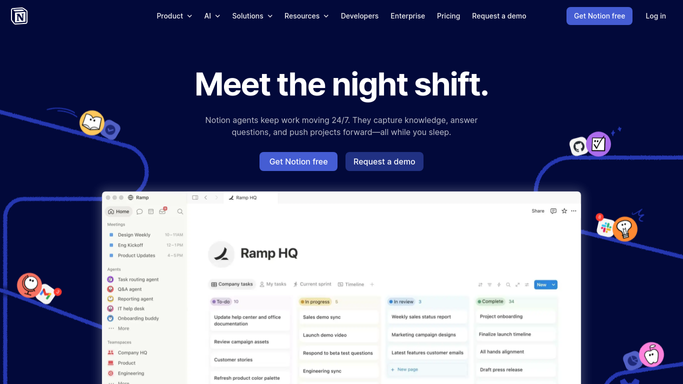
WebRun opens Notion to write the deliverability review. - Write a dated deliverability review page in your outbound workspace
- Rank sending addresses worst first with their bounce rate, opt-out rate, and volume
- Recommend the volume to cut or the campaign to pause for each address at risk
- Leave every recommendation as a written call for a person to make. WebRun never pauses a campaign or changes a sending setting
Done when This week's deliverability review is in Notion with a recommendation per address at risk.
How is each run configured?
Secure by default
Connect once, stays signed in
WebRun signs in once and keeps each session in a persistent environment, so every run picks up right where it left off.
Every action is checked against this policy before it runs.
Questions, answered
Will it pause my campaigns on its own?
No. WebRun reads lemlist and writes its findings to Airtable and Notion only. Pausing a campaign, cutting volume, or changing a sending setting stays a decision a person makes.
Why measure per sending address rather than per campaign?
Because reputation attaches to the address and its domain. One bad list on a shared address damages every campaign sending from it, which a campaign level view hides.
What does it flag first?
Any sending address whose bounce or unsubscribe rate rose against its own four week average, plus any address sending volume with warmup switched off.
Related templates
Put this on autopilot.
Turn it on in minutes - or have our team set it up for you.