Turn the questions your bot missed into content work
Every Monday, WebRun opens Comm100, reads the bot conversations that ended in an agent handoff, groups the questions the bot could not answer, ranks them by how often they came up, opens a Trello card for each gap, and files the supporting transcripts in a dated Google Drive folder.
- No credit card
- Under $0.01 per run
- Cancel anytime
How do I find the questions my support bot cannot answer?
WebRun reviews your Comm100 bot conversations every Monday, finds the questions that ended in an agent handoff, and groups them by topic. It opens a ranked Trello card for each missing answer and files the sample transcripts in Google Drive, so the knowledge base gets fixed where it costs agent time.
- Missing answers are ranked by the agent time they cost
- Every content gap becomes a Trello card with real customer wording
- Sample transcripts sit beside each card instead of being re-hunted
Built for support leads · knowledge managers · customer service teams · ecommerce support
What does WebRun do on every run?
The exact actions WebRun takes, in order - in plain language, so you can adjust anything.
-
WebRun signs in and gets to work
Opens
www.comm100.comin a real browser with your saved login - no setup, no API keys. -
1
Comm100 - find questions the bot missed
comm100.com

WebRun opens Comm100 to find questions the bot missed. - Open Comm100 and review the past week of bot conversations
- Pick out the ones that ended in an agent handoff or a fallback response
- Group the underlying questions by topic so near duplicates count together
- Rank each topic by how many conversations it caused and check whether a knowledge base article already covers it
Done when Every question the bot could not answer is grouped, counted, and checked against existing articles.
-
2
Trello - open a card per content gap
trello.com How to Automate Trello
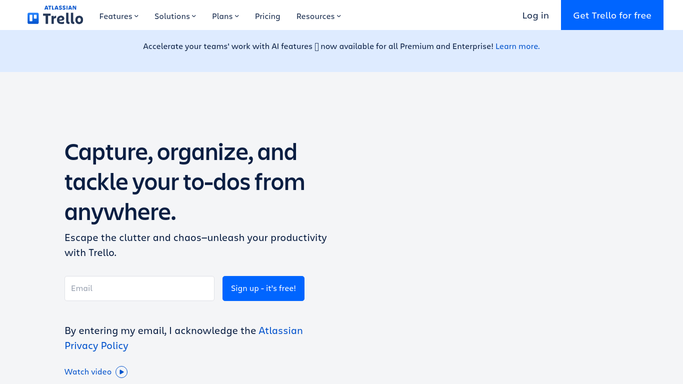
WebRun opens Trello to open a card per content gap. - Open your knowledge base board and add a card for each missing answer
- Title the card with the question as customers actually phrased it
- Put the weekly count and the agent time it cost in the card description
- Order the board so the most frequent gap sits at the top
- Skip topics that already have an open card from a previous week and add the new count to it
Done when Each missing answer has a ranked Trello card with its weekly count.
-
3
Google Drive - file the supporting transcripts
drive.google.com How to Automate Google Drive
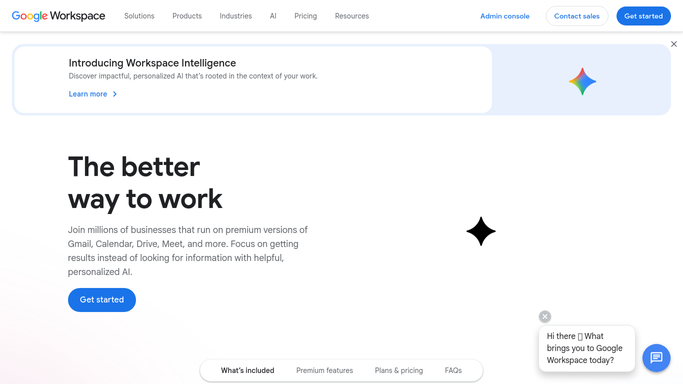
WebRun opens Google Drive to file the supporting transcripts. - Create a dated folder in Google Drive for this week's review
- Save the sample transcripts behind each ranked gap so the writer can see the real wording
- Link the folder back onto the matching Trello card
Done when This week's transcripts are filed in Drive and linked from the board.
How is each run configured?
Secure by default
Connect once, stays signed in
WebRun signs in once and keeps each session in a persistent environment, so every run picks up right where it left off.
Every action is checked against this policy before it runs.
Questions, answered
Will it publish knowledge base articles by itself?
No. WebRun opens a Trello card describing the gap and files the transcripts behind it. Writing and publishing an article stays with your team, so nothing customer facing appears without a human writing it.
How does it rank which gaps matter?
By how many bot conversations each question caused in the week. A question that triggered twelve handoffs sits above one that triggered two, so the board is ordered by the agent time each gap is costing.
Does it store customer chat transcripts anywhere public?
No. Transcripts go into a dated folder in your own Google Drive, visible only to the people you already share that Drive folder with. Nothing is posted outside your accounts.
Related templates
Put this on autopilot.
Turn it on in minutes - or have our team set it up for you.