Turn pre-op pulmonary clearance requests into signed letters fast
Every morning, WebRun opens ModuleMD, finds new pre-operative pulmonary clearance requests, pulls each patient's latest PFT results, oxygen status, and exacerbation history into a clearance letter, routes it to the pulmonologist for e-signature in DocuSign, and drafts the outgoing email to the surgical office for staff to review and send.
- No credit card
- Under $0.01 per run
- Cancel anytime
What does WebRun do on every run?
The exact actions WebRun takes, in order - in plain language, so you can adjust anything.
-
WebRun signs in and gets to work
Opens
app.modulemd.comin a real browser with your saved login - no setup, no API keys. -
1
ModuleMD - find new pre-op clearance requests
modulemd.com How to Automate ModuleMD

WebRun opens ModuleMD to find new pre-op clearance requests. - Open ModuleMD and review new pre-operative pulmonary clearance requests entered since the last run
- Pull each patient's latest PFT results, home oxygen status, and exacerbation history from the past 12 months
- Draft the clearance letter body with a risk summary and recommendation
Done when Every new clearance request has a drafted letter with PFT results and a risk summary.
-
2
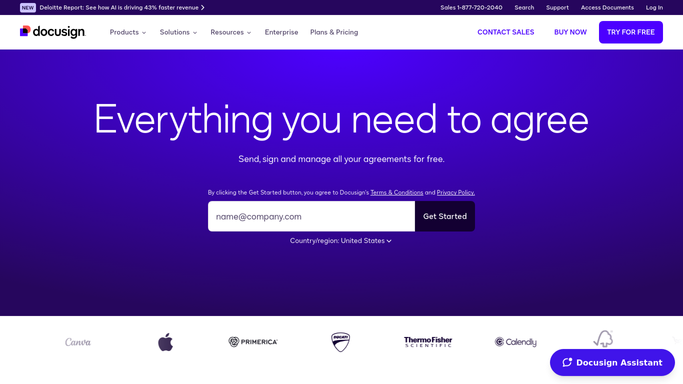
DocuSign - route the letter for physician signature
docusign.com How to Automate DocuSign
WebRun opens DocuSign to route the letter for physician signature. - Route each drafted clearance letter to the pulmonologist for e-signature
- Flag any request still unsigned after 24 hours as urgent given the surgery date
Done when Every drafted letter is routed for signature, with unsigned, time-sensitive requests flagged.
-
3
Gmail - draft the email to the surgical office
gmail.com How to Automate Gmail
WebRun opens Gmail to draft the email to the surgical office. - Once a letter is signed, draft the outgoing email to the referring surgical office with the signed letter attached
- Queue the draft in Gmail for front-desk review. Do not send any clearance letter without a staff check on the recipient
Done when A ready-to-send email with the signed clearance letter is queued for every completed request.

How do I speed up pre-op pulmonary clearance letters?
Every morning, WebRun opens ModuleMD, finds new pre-op pulmonary clearance requests, and drafts the clearance letter from each patient's latest PFT results and exacerbation history. It routes the letter to the pulmonologist for e-signature in DocuSign, then queues the outgoing email with the signed letter attached in Gmail for staff to check and send to the surgical office.
- Clearance letters are drafted the same morning a request arrives instead of waiting for a callback
- Unsigned, time-sensitive requests surface after 24 hours instead of getting lost
- Staff confirm every recipient before a clearance letter leaves the practice
Built for pulmonology practices · pre-operative evaluation clinics · practice managers · referral coordinators
How is each run configured?
Secure by default
Connect once, stays signed in
WebRun signs in once and keeps each session in a persistent environment, so every run picks up right where it left off.
Every action is checked against this policy before it runs.
Questions, answered
Will it send the clearance letter to the surgical office without review?
No. WebRun drafts the email with the signed letter attached and holds it in Gmail for front-desk review. A staff member confirms the recipient and sends it.
Who actually signs the clearance letter?
The pulmonologist. WebRun only drafts the letter's content from the chart and routes it through DocuSign for the physician's own e-signature; it never signs on a clinician's behalf.
What if a request is urgent because surgery is soon?
It flags any clearance letter still unsigned 24 hours after routing, so time-sensitive requests surface instead of sitting quietly in a queue.
Related templates
Put this on autopilot.
Turn it on in minutes - or have our team set it up for you.