Find the notes with broken links and no way back in
Every Monday, WebRun opens your Obsidian vault, follows the links between notes, finds links pointing at notes that no longer exist and notes with no backlinks at all, builds a repair list on a Trello card, and drafts you a Gmail summary of what needs fixing.
- No credit card
- Under $0.01 per run
- Cancel anytime
How do I find broken links and orphaned notes in my Obsidian vault?
WebRun walks your Obsidian vault every Monday, following the links between notes to find links pointing at notes that no longer exist and notes with no backlinks at all. It builds the repair list on a Trello card and drafts a Gmail summary, so research written months ago is still reachable.
- Broken links surface weekly instead of at the moment you need the note
- Orphaned notes are listed with their last edit date
- Counts are compared week over week, so the vault trend is visible
Built for researchers · writers · knowledge workers · students
What does WebRun do on every run?
The exact actions WebRun takes, in order - in plain language, so you can adjust anything.
-
WebRun signs in and gets to work
Opens
obsidian.mdin a real browser with your saved login - no setup, no API keys. -
1
Obsidian - find broken links and orphans
obsidian.md

WebRun opens Obsidian to find broken links and orphans. - Open your Obsidian vault and walk the notes folder by folder
- Follow every internal link and record the ones pointing at a note that no longer exists
- Note which note each broken link sits in and the text it was meant to point at
- List notes with no backlinks and no links out, so nothing links to them and they lead nowhere
- Check unlinked mentions where a note name appears as plain text and could be linked
Done when Every broken link and orphaned note in the vault is listed with its location.
-
2
Trello - build the repair list
trello.com How to Automate Trello
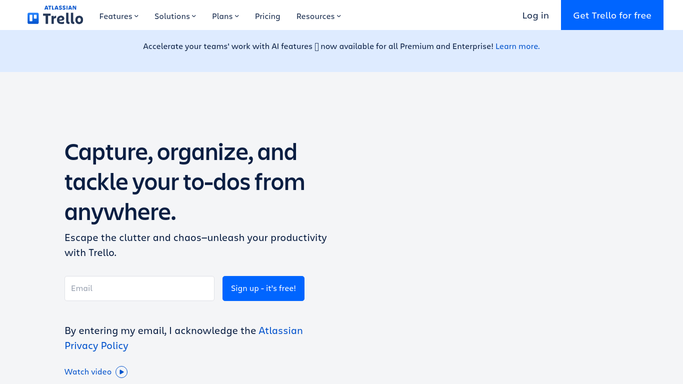
WebRun opens Trello to build the repair list. - Create this week's repair card on your notes board
- List broken links first, grouped by the folder they live in
- Add orphaned notes as a second checklist with the date each was last edited
- Include unlinked mentions as a third, lower priority group
- Leave the vault untouched. WebRun reports the repairs, it does not rewrite your notes
Done when This week's repair list is on a single Trello card.
-
3
Gmail - draft the weekly summary
gmail.com How to Automate Gmail
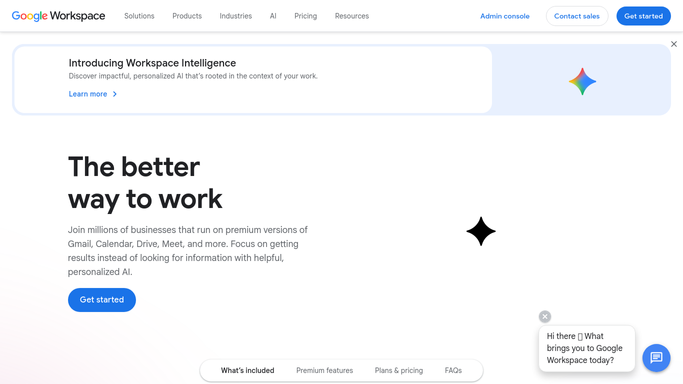
WebRun opens Gmail to draft the weekly summary. - Draft an email summarising the counts: broken links, orphans, unlinked mentions
- Name the folders with the most breakage so a fix session has a starting point
- Show how the counts moved since last week
- Leave the summary in drafts for you to read or forward
Done when A weekly audit summary is waiting in Gmail.
How is each run configured?
Secure by default
Connect once, stays signed in
WebRun signs in once and keeps each session in a persistent environment, so every run picks up right where it left off.
Every action is checked against this policy before it runs.
Questions, answered
Will it edit or delete my notes?
No. WebRun reads the vault and reports what it finds. It never rewrites a link, renames a note, or deletes anything. Every repair is made by you, with the list already prepared.
What counts as an orphaned note?
A note with no backlinks pointing at it, so nothing in the vault leads there. Each one is listed with the date it was last edited, so an old research note is easy to tell from a new draft.
Does it send the summary email automatically?
No. The weekly summary is left as a Gmail draft. Nothing is sent unless you open the draft and send it yourself, which matters if you forward it to a research group.
Related templates
Put this on autopilot.
Turn it on in minutes - or have our team set it up for you.