Start the week with last week's account activity already logged
Every Monday, WebRun signs into N26, reads the transactions posted over the last seven days across your account and Spaces, notes the merchant, amount, date and category on each, writes them into your Notion bookkeeping log grouped by category, and raises a Trello card for anything it cannot place.
- No credit card
- Under $0.01 per run
- Cancel anytime
How do I keep my bookkeeping current with last week's bank activity?
Every Monday, WebRun signs into N26 and reads the transactions posted over the last seven days, with the merchant, amount, date and category on each. It writes them into your Notion bookkeeping log grouped by category and raises a Trello card for anything unclear. WebRun reads the account, it never moves money.
- The books start Monday already current instead of at month end
- Unclassified transactions are flagged rather than guessed at
- A full transaction history builds in a log you own
Built for freelancers · small business owners · bookkeepers · finance teams
What does WebRun do on every run?
The exact actions WebRun takes, in order - in plain language, so you can adjust anything.
-
WebRun signs in and gets to work
Opens
app.n26.comin a real browser with your saved login - no setup, no API keys. -
1
N26 - read last week's transactions
n26.com
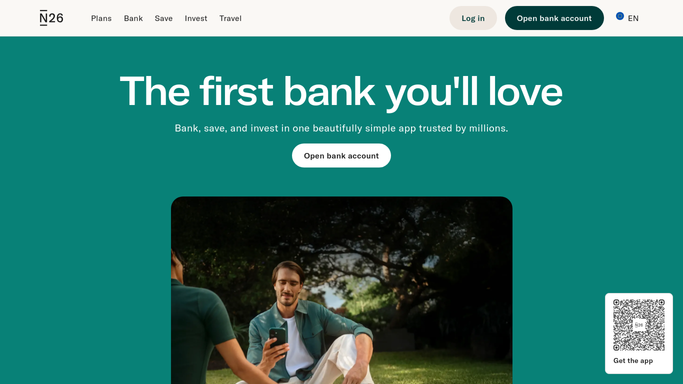
WebRun opens N26 to read last week's transactions. - Sign into N26 and open the transaction list for the last seven days
- Record the date, merchant, amount and currency on every transaction
- Pick up the category N26 already assigned, and note transfers between your Spaces separately
- List the direct debits that went out and any that were returned
- Read only. WebRun never sends a transfer, pays a bill, or moves money between Spaces
Done when Every transaction from the past week is captured with its merchant and amount.
-
2
Notion - write the categorized log
notion.so How to Automate Notion
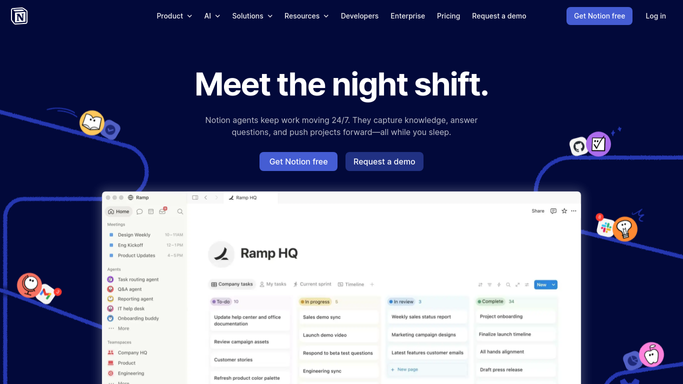
WebRun opens Notion to write the categorized log. - Append last week's rows to your bookkeeping database in Notion
- Give each row the date, merchant, amount, direction, and your own category
- Map the N26 category onto your chart of accounts using the rules you set once
- Add a weekly subtotal per category so the trend is readable month to month
- Leave earlier weeks untouched so the log builds into a full record
Done when Every transaction from last week is a categorized row in Notion.
-
3
Trello - flag what needs a decision
trello.com How to Automate Trello
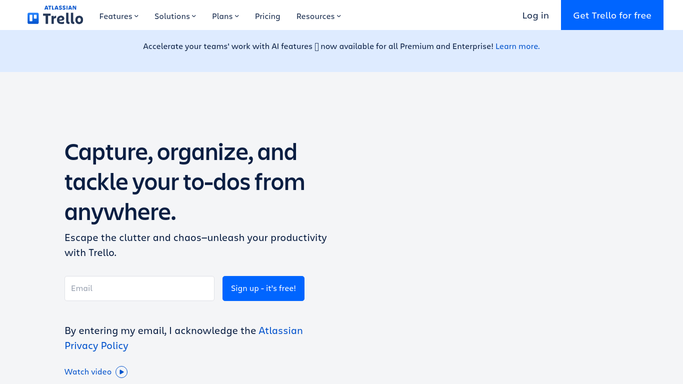
WebRun opens Trello to flag what needs a decision. - Open a Trello card for every transaction that does not match one of your categories
- Add a card for anything unusual: a returned direct debit, a duplicate charge, or a merchant not seen before
- Put the date, merchant and amount in the card so it can be settled without reopening the account
- Leave the judgement to a person. WebRun records and flags, it never disputes or reverses a payment
Done when Every unclassified or unusual transaction has a Trello card.
How is each run configured?
Secure by default
Connect once, stays signed in
WebRun signs in once and keeps each session in a persistent environment, so every run picks up right where it left off.
Every action is checked against this policy before it runs.
Questions, answered
Can it move money or pay anything?
No, and it never will. This run is read only: it opens the transaction list, copies what already happened, and writes it into Notion. Transfers and payments stay entirely with you.
Is this financial advice?
No. WebRun copies your own transaction history into a log you own and groups it by your categories. It does not recommend products, budgets, or what to do with the money.
What happens to transactions it cannot categorize?
They get a Trello card with the date, merchant and amount rather than being forced into a category. Guessing in a bookkeeping log is worse than flagging it.
Related templates
Put this on autopilot.
Turn it on in minutes - or have our team set it up for you.