Work through the slow queries your cluster keeps flagging
Every Monday, WebRun signs in to MongoDB Atlas, opens the Performance Advisor on each cluster, collects the slow queries and index suggestions it is currently flagging, ranks them by the impact Atlas reports, writes the tuning list into Notion with the collection and query shape, and texts you through Twilio when something has clearly regressed.
- No credit card
- Under $0.01 per run
- Cancel anytime
How do I work through MongoDB Atlas index suggestions each week?
WebRun opens MongoDB Atlas every Monday, reads the Performance Advisor on each cluster, and collects the slow queries and index suggestions it is flagging. It writes a ranked tuning list into Notion with the collection and the impact Atlas reports, and texts you through Twilio when a query has clearly regressed.
- A ranked list of what to index this week instead of an open dashboard
- Recurring suggestions are marked so nothing sits open for months
- A clear regression reaches an engineer the same morning
Built for backend engineers · platform teams · database administrators · startup CTOs
What does WebRun do on every run?
The exact actions WebRun takes, in order - in plain language, so you can adjust anything.
-
WebRun signs in and gets to work
Opens
cloud.mongodb.comin a real browser with your saved login - no setup, no API keys. -
1
MongoDB Atlas - read the advisor suggestions
mongodb.com

WebRun opens MongoDB Atlas to read the advisor suggestions. - Sign in to MongoDB Atlas and open each cluster you track
- Read the Performance Advisor and capture the index suggestions it is currently showing, with the collection and the impact reported
- Capture the slow queries listed alongside them, with the query shape and how often they run
- Compare against last week's list so a suggestion that keeps reappearing is marked as recurring
- Read only. WebRun never creates an index, changes a cluster setting, or runs a query
Done when Every cluster's current suggestions and slow queries are captured with their impact.
-
2
Notion - write the ranked tuning list
notion.so How to Automate Notion
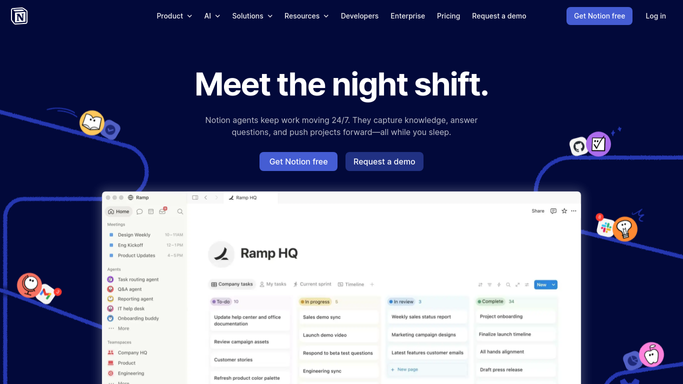
WebRun opens Notion to write the ranked tuning list. - Open the engineering tuning page in Notion
- Add one item per suggestion with the cluster, collection, query shape, and the impact Atlas reports
- Rank the list so the highest impact and most frequently run queries sit at the top
- Mark the items that have been on the list for more than two weeks, so nothing quietly stays open forever
Done when This week's ranked tuning list is in Notion with last week's carried over.
-
3
Twilio - text the worst regression
twilio.com How to Automate Twilio

WebRun opens Twilio to text the worst regression. - Text the on-call engineer's saved number when a query has got materially slower since last week
- Name the cluster, the collection, and the change so it reads on a lock screen
- Text only your own team numbers. WebRun never messages anyone outside the team
Done when A clear regression has reached an engineer directly.
How is each run configured?
Secure by default
Connect once, stays signed in
WebRun signs in once and keeps each session in a persistent environment, so every run picks up right where it left off.
Every action is checked against this policy before it runs.
Questions, answered
Will it create indexes on my cluster?
No. WebRun reads the Performance Advisor and writes a tuning list. Creating an index changes production behaviour and load, so it stays a deliberate action by an engineer who has reviewed it.
How does it decide what goes to the top?
It ranks by the impact Atlas itself reports and by how often the query runs, then marks anything that has been on the list for more than two weeks so long standing items do not sink.
Does it work across several clusters?
Yes. Every cluster you track is read in the same Monday run, and each item in the Notion list carries its cluster name so the tuning work is never applied to the wrong environment.
Related templates
Put this on autopilot.
Turn it on in minutes - or have our team set it up for you.