Make sure every instance that matters has backups on
Every Monday, WebRun opens Linode, checks every instance for whether backups are enabled and when the last backup and snapshot ran, writes the unprotected instances at the top of an audit page in Notion, and files a dated copy of the record in Google Drive.
- No credit card
- Under $0.01 per run
- Cancel anytime
How do I check which of my Linode instances have backups enabled?
WebRun opens Linode every Monday and checks every instance for whether the backup service is enabled and when the last backup and snapshot ran. It writes the unprotected instances at the top of a Notion audit page and files a dated copy in Google Drive, so a failure means a restore rather than a rewrite.
- Unprotected instances are found weekly, not after a failure
- Stale backups are treated as gaps, not as coverage
- A dated file trail evidences backup policy over time
Built for infrastructure engineers · DevOps teams · agencies hosting client sites · technical founders
What does WebRun do on every run?
The exact actions WebRun takes, in order - in plain language, so you can adjust anything.
-
WebRun signs in and gets to work
Opens
cloud.linode.comin a real browser with your saved login - no setup, no API keys. -
1
Linode - check backups on every instance
linode.com

WebRun opens Linode to check backups on every instance. - Open Linode and list every instance on the account with its label, plan, and region
- Check whether the backup service is enabled on each instance
- Read when the last automatic backup and the last manual snapshot ran
- Flag instances where backups are on but the last run is older than your policy allows. WebRun never enables a paid service or changes an instance
Done when Every instance has a backup status and the date it last backed up.
-
2
Notion - write the coverage audit
notion.so How to Automate Notion
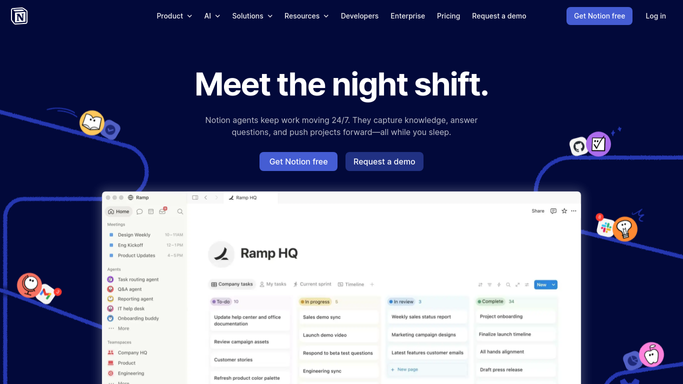
WebRun opens Notion to write the coverage audit. - Write the audit onto your infrastructure page in Notion
- Put instances with no backups at the top, then stale backups, then healthy ones
- Show label, region, plan, backup status, and last backup date per row
- Note the change since last week so a newly unprotected instance stands out
Done when The audit page shows unprotected instances first with last backup dates.
-
3
Google Drive - file the dated record
drive.google.com How to Automate Google Drive
WebRun opens Google Drive to file the dated record. - Save a dated copy of the week's audit to your infrastructure folder in Google Drive
- Keep one file per week so backup coverage can be evidenced over time
- Name the file with the week starting date so the history sorts cleanly
- Keep the raw instance list in the file for anyone auditing later
Done when This week's audit is filed in Drive alongside the previous weeks.
How is each run configured?
Secure by default
Connect once, stays signed in
WebRun signs in once and keeps each session in a persistent environment, so every run picks up right where it left off.
Every action is checked against this policy before it runs.
Questions, answered
Will it turn backups on for me?
No. Enabling the backup service adds cost to your account, so WebRun reports which instances lack it and leaves the decision to you. It never enables a paid service or changes an instance.
Does it take or delete snapshots?
No. This workflow is read only inside Linode. It reads backup status and dates, and it never creates, restores, or deletes a backup or snapshot.
What counts as a stale backup?
You set the age, for example anything older than seven days. Instances with backups enabled but no run inside that window are listed under the unprotected ones so they are not mistaken for covered.
Related templates
Put this on autopilot.
Turn it on in minutes - or have our team set it up for you.