Find the learning seats nobody is using
Every Monday, WebRun opens Codecademy, lists every assigned seat with its member, group, last active date, and assigned content, flags the seats sitting unused and the members with nothing assigned, writes the audit into Notion, and drafts a short Twilio nudge for each quiet learner.
- No credit card
- Under $0.01 per run
- Cancel anytime
How do I find the training licences nobody is using before renewal?
WebRun audits your Codecademy team seats every Monday: who holds each seat, when they were last active, what is assigned to them, and which seats were never claimed. It writes the audit into Notion with a renewal countdown and drafts a Twilio nudge per quiet learner for the learning manager to approve.
- Unused seats are named with a last active date before renewal
- Members holding a seat with nothing assigned get spotted
- Every week's audit is kept in Notion, so idle months are obvious
Built for learning and development managers · IT procurement · engineering managers · HR teams · operations leads
What does WebRun do on every run?
The exact actions WebRun takes, in order - in plain language, so you can adjust anything.
-
WebRun signs in and gets to work
Opens
www.codecademy.comin a real browser with your saved login - no setup, no API keys. -
1
Codecademy - audit seats against real activity
codecademy.com
WebRun opens Codecademy to audit seats against real activity. - Open Codecademy and list every seat on the team plan with the member holding it
- Record each member's last active date and the group they belong to
- Flag seats with no activity for longer than the window you set, for example 30 days
- Flag members who hold a seat but have nothing assigned to them at all
- Note seats that were never claimed after being invited
- Read only. WebRun never removes a member or reassigns a seat
Done when Every seat has a holder, a last active date, and a used or unused verdict.
-
2
Notion - write the seat audit
notion.so How to Automate Notion
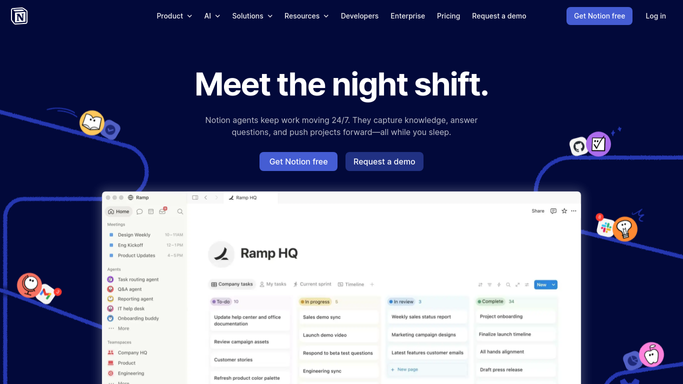
WebRun opens Notion to write the seat audit. - Update your license audit page in Notion with one row per seat
- Fill the member, group, last active date, assigned content, and the reason a seat is flagged
- Total the unused seats and note how many days remain before renewal
- Keep prior weeks so a seat that has been idle for months is obvious at a glance
Done when The Notion audit page matches this week's seat position.
-
3
Twilio - draft a nudge for quiet learners
twilio.com How to Automate Twilio

WebRun opens Twilio to draft a nudge for quiet learners. - Write a short, friendly nudge for each member whose seat has gone quiet
- Name the course assigned to them and how long since they last logged in
- Queue every message in Twilio unsent. WebRun never texts a learner on its own
- Leave the queue for the learning manager to review and release
Done when A nudge is drafted for each quiet learner, waiting on approval.
How is each run configured?
Secure by default
Connect once, stays signed in
WebRun signs in once and keeps each session in a persistent environment, so every run picks up right where it left off.
Every action is checked against this policy before it runs.
Questions, answered
Will it remove people or reassign seats itself?
No. WebRun reports which seats look unused and never removes a member, revokes a seat, or changes a plan. Taking someone's licence away stays a human decision.
Does it text learners automatically?
No. Each nudge is queued in Twilio unsent for the learning manager to release. Only the internal Notion audit is written on its own.
How is this different from nudging a broken streak?
A streak nudge is about one learner's habit. This is a licence audit for the admin: which seats are being paid for and not used, and who holds a seat with nothing assigned to them.
Related templates
Put this on autopilot.
Turn it on in minutes - or have our team set it up for you.