Know your backups ran and your certificates hold
Every morning, WebRun opens the Cloudways platform, walks each server and application to confirm the latest backup actually completed and that the SSL certificate is installed and not close to expiry, records every result in an Airtable status base, and writes only the failures and near-expiries into a Notion action page for whoever is on duty.
- No credit card
- Under $0.01 per run
- Cancel anytime
How do I verify Cloudways backups ran and certificates are valid?
WebRun checks every Cloudways application each morning to confirm the last backup completed and the SSL certificate is valid and not expiring soon. It records each result in an Airtable status base with disk usage, then writes only the failures and near-expiries into a Notion page, with how many days each problem has run.
- A failed backup is known the next morning, not at restore time
- Certificates get 21 days of warning before they expire
- Repeat failures are visible as a day count, not a fresh surprise
Built for web agencies · WordPress developers · hosting admins · freelance developers
What does WebRun do on every run?
The exact actions WebRun takes, in order - in plain language, so you can adjust anything.
-
WebRun signs in and gets to work
Opens
platform.cloudways.comin a real browser with your saved login - no setup, no API keys. -
1
Cloudways - check backups and certificates
cloudways.com
WebRun opens Cloudways to check backups and certificates. - Open the Cloudways platform and list every server on the account
- For each application record the latest backup date and whether it completed
- Open the SSL section for each application and record the certificate status and expiry date
- Flag applications with no backup in the last 24 hours or the schedule you set
- Flag certificates expiring within 21 days or showing as not installed
- Note the server disk usage so a full disk that would break the next backup is visible early
Done when Every Cloudways application has a backup verdict, a certificate verdict and a disk reading.
-
2
Airtable - record the daily status
airtable.com How to Automate Airtable
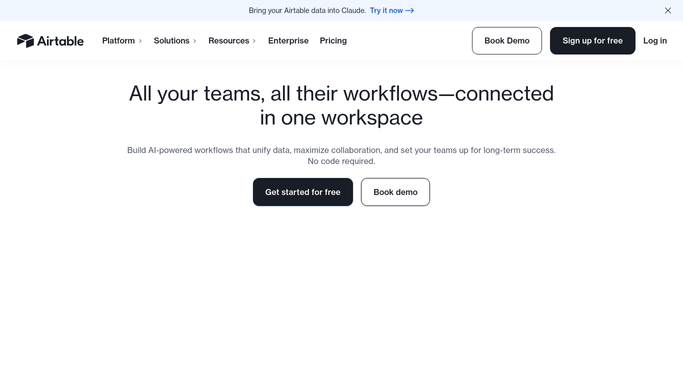
WebRun opens Airtable to record the daily status. - Open your hosting status base and upsert one row per application, keyed on server and application name
- Fill in last backup date, backup result, certificate expiry, days to expiry and disk usage
- Append today's reading to a history table so you can see how long a problem has run
- Mark applications that were fine yesterday and failed today as new failures
Done when Airtable holds today's status for every application plus the running history.
-
3
Notion - write up the exceptions
notion.so How to Automate Notion
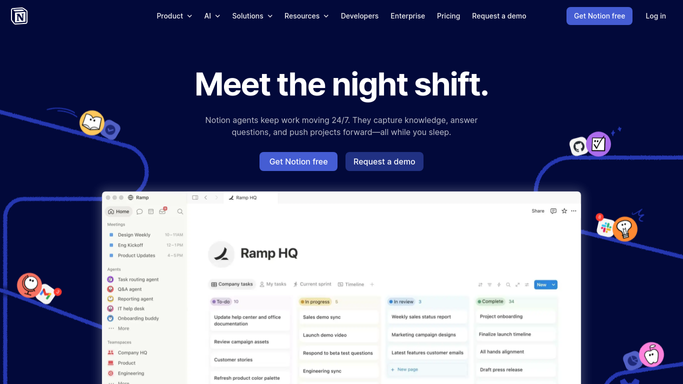
WebRun opens Notion to write up the exceptions. - Write today's exception page in Notion listing only failures and near-expiries
- Put missing backups first, then certificates expiring inside 21 days, then disks above 80 percent
- Say how many days each problem has now been running, taken from the Airtable history
- Never restart a server, trigger a backup or renew a certificate. WebRun reports; you act
Done when Notion holds today's exception page, or states that every application passed.
How is each run configured?
Secure by default
Connect once, stays signed in
WebRun signs in once and keeps each session in a persistent environment, so every run picks up right where it left off.
Every action is checked against this policy before it runs.
Questions, answered
Will it restart servers or trigger backups itself?
No. WebRun reads the Cloudways platform and reports. Restarting a server, launching a backup, renewing a certificate and resizing a disk all affect live sites, so they stay manual decisions for your team.
How far ahead does it warn about SSL expiry?
21 days by default, and you can change that. Certificates expiring inside the window appear on the Notion exception page every morning until they are renewed, so nothing lapses quietly.
Can it tell a one-off failure from an ongoing one?
Yes. Every run appends to an Airtable history table, so the exception page says how many consecutive days each problem has run. A three day backup failure reads very differently from last night's blip.
Related templates
Put this on autopilot.
Turn it on in minutes - or have our team set it up for you.