Automated Carbonite Restore Test Logging
Every month, WebRun signs in to Carbonite, picks a sample of recently backed-up files across your protected computers, records the file name, computer, size, and backup date in a Notion restore-test log, and opens a Trello card assigning a human to run the actual restore and sign it off.
How do I regularly verify that our backups can be restored?
WebRun documents a Carbonite restore test every month. It samples recently backed-up files across each protected computer, records the file names, sizes, and backup dates in a Notion log, and opens a Trello card assigning a person to run the restore and sign it off.
- A dated restore-test record exists every month for audit
- A machine that silently stopped backing up gets escalated, not sampled
- The restore itself stays a human, signed-off action
Built for small business IT · managed service providers · compliance officers · office managers
What does WebRun do on every run?
The exact actions WebRun takes, in order - in plain language, so you can adjust anything.
-
WebRun signs in and gets to work
Opens
www.carbonite.comin a real browser with your saved login - no setup, no API keys. -
1
Carbonite - sample recently backed-up files
carbonite.com

WebRun opens Carbonite to sample recently backed-up files. - Sign in to Carbonite and open each protected computer
- Confirm the last successful backup date and the number of files protected
- Pick a small sample of recently backed-up files across different folders
- Record the file name, path, size, and backup timestamp for each sample
Done when Each protected computer has a sample of files recorded with backup dates.
-
2
Notion - log the restore-test record
notion.so
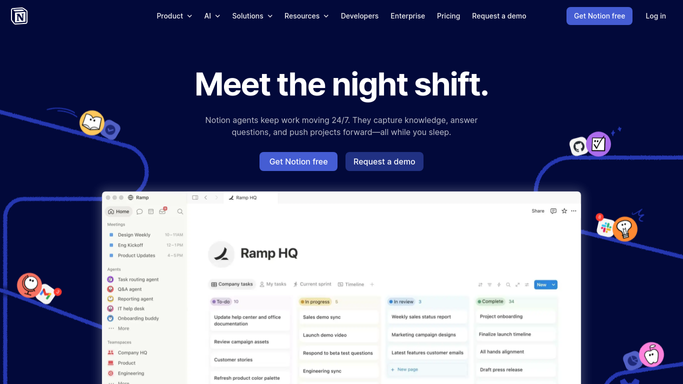
WebRun opens Notion to log the restore-test record. - Open your restore-test log in Notion and add this month's entry
- Record each computer, its last successful backup, and the sampled files
- Note any computer with no successful backup in the period
- Leave the verification column empty for the human tester to complete
Done when This month's restore-test record exists in Notion, awaiting verification.
-
3
Trello - assign the sign-off
trello.com
WebRun opens Trello to assign the sign-off. - Open the IT operations board in Trello
- Create one card per computer sampled, listing the files to restore and check
- Assign it to the IT owner with a due date inside the month
- Link the Notion record so the sign-off lands in the same place
Done when Every sampled computer has an assigned restore-test card with a due date.
How is each run configured?
Secure by default
Connect once, stays signed in
WebRun signs in once and keeps each session in a persistent environment, so every run picks up right where it left off.
Every action is checked against this policy before it runs.
Questions, answered
Does it restore files by itself?
No. WebRun samples and documents what is backed up, then hands the restore to a person via a Trello card. Overwriting a live file is far too consequential to run unattended.
Does it read the contents of my files?
No. It records file names, paths, sizes, and backup timestamps only. No file is opened, downloaded, or copied anywhere during the run.
What if a computer has not backed up at all?
That computer is recorded in Notion as having no successful backup in the period and gets its own Trello card, so a silently failing machine is escalated rather than sampled.
Related templates
Put this on autopilot.
Turn it on in minutes - or have our team set it up for you.