Automated Visma VAT Readiness Checks
Every Monday, WebRun opens Visma eAccounting, runs through the current fiscal period, finds journal entries and supplier invoices with a missing or unusual VAT code, opens a Trello card for each blocker, and posts a short readiness summary to Slack so the VAT return is not a scramble on the deadline.
How do I know if my books are ready to file VAT?
WebRun opens Visma eAccounting every Monday, reads the current fiscal period, and finds the journal entries and supplier invoices with a missing or mismatched VAT code. It opens a Trello card for each blocker and posts a readiness summary to Slack, so the VAT return is fixed before the deadline.
- Blocking entries are named weeks before the filing date
- Every blocker becomes a dated card on the close board
- The finance channel knows the period status without opening the ledger
Built for bookkeepers · accountants · Nordic small businesses · finance managers
What does WebRun do on every run?
The exact actions WebRun takes, in order - in plain language, so you can adjust anything.
-
WebRun signs in and gets to work
Opens
eaccounting.visma.netin a real browser with your saved login - no setup, no API keys. -
1
Visma eAccounting - check the period for VAT blockers
visma.net
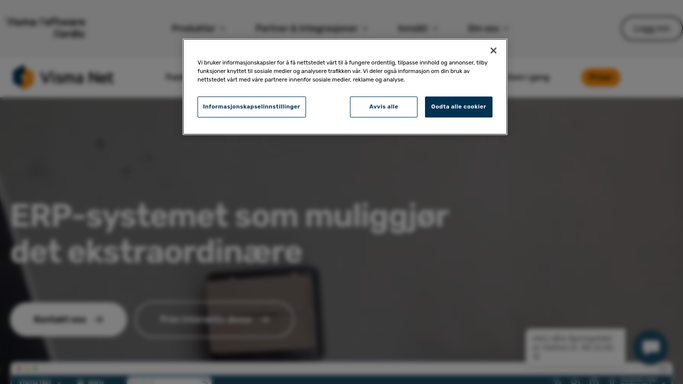
WebRun opens Visma eAccounting to check the period for VAT blockers. - Open Visma eAccounting and select the current fiscal period
- Open the VAT report and note the figures it currently produces
- Find journal entries and supplier invoices with a missing VAT code
- Flag entries whose VAT code looks out of step with the account they are posted to
- Note the filing date for the period and how many days remain
Done when Every entry that would block or distort the VAT return is listed with its reason.
-
2
Trello - open a card per blocker
trello.com
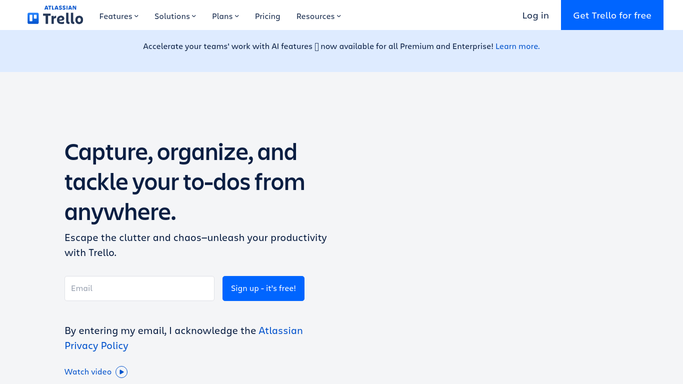
WebRun opens Trello to open a card per blocker. - Open your period close board and add a card for each blocker
- Put the entry reference, the amount, the supplier, and the reason on the card
- Set the due date ahead of the filing date for the period
- Merge into an existing card when the same entry was raised in a previous week
Done when Every VAT blocker has a dated card on the period close board.
-
3
Slack - post the readiness summary
slack.com

WebRun opens Slack to post the readiness summary. - Post a readiness summary to your finance channel
- Say how many entries are blocking, their total value, and days left before filing
- Say plainly whether the period looks ready to file or not
- Leave the filing itself to your bookkeeper. WebRun never submits a return
Done when The finance channel knows whether the period can be filed and what is outstanding.
How is each run configured?
Secure by default
Connect once, stays signed in
WebRun signs in once and keeps each session in a persistent environment, so every run picks up right where it left off.
Every action is checked against this policy before it runs.
Questions, answered
Will it file the VAT return for me?
No. WebRun reads the period, reports what is blocking the return, and stops there. Submitting a VAT return is irreversible, so the filing stays with your bookkeeper or accountant.
Does it change any entries in Visma?
No. It reads the ledger and writes the problems onto Trello cards. Adding a missing VAT code or reposting an entry is done by a person inside Visma, where the audit trail belongs.
How is this different from a weekly export?
An export copies the books out. This run judges them: it checks whether the figures in the VAT report can actually be filed yet, and names the specific entries standing in the way.
Related templates
Put this on autopilot.
Turn it on in minutes - or have our team set it up for you.