Flag Sapaad peak hour staffing gaps before service starts
Every morning, WebRun opens Sapaad, finds yesterday's busiest hours by covers and order volume, checks today's staff schedule in Google Calendar against those same hours, and posts a Slack alert naming any peak hour that looks understaffed so you can add coverage before the rush.
- No credit card
- Under $0.01 per run
- Cancel anytime
What does WebRun do on every run?
The exact actions WebRun takes, in order - in plain language, so you can adjust anything.
-
WebRun signs in and gets to work
Opens
www.sapaad.comin a real browser with your saved login - no setup, no API keys. -
1
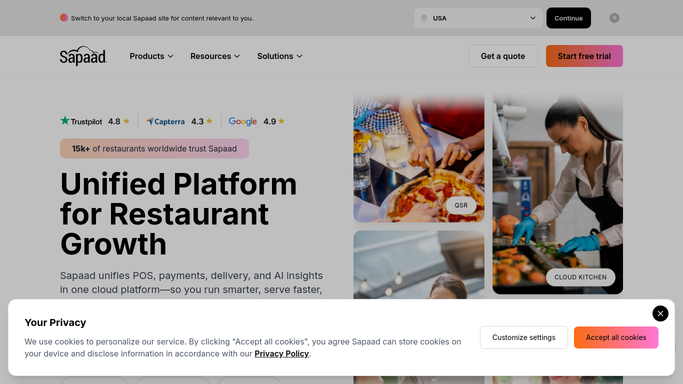
Sapaad - find yesterday's peak hours
sapaad.com How to Automate Sapaad

WebRun opens Sapaad to find yesterday's peak hours. - Open Sapaad and pull yesterday's covers and order volume by hour
- Identify the two or three busiest hours of the day
- Note the average staff count that was clocked in during those hours, where available
Done when Yesterday's busiest hours are identified with their covers and order volume.
-
2
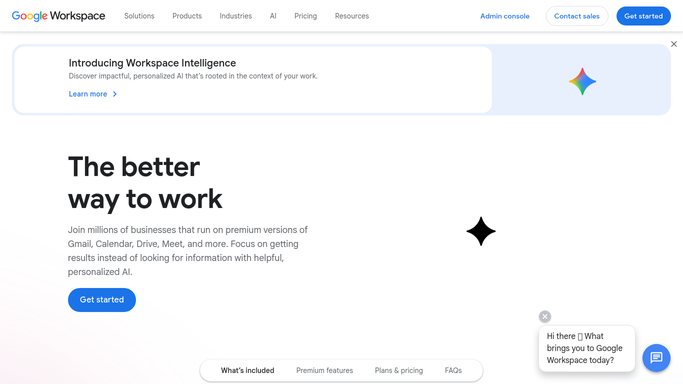
Google Calendar - check today's staff schedule
calendar.google.com How to Automate Google Calendar
WebRun opens Google Calendar to check today's staff schedule. - Read today's staff schedule for the same peak hours identified from yesterday
- Count how many staff are rostered for each of those hours
- Compare today's rostered count against yesterday's staffing during the same peak hours
Done when Today's rostered staff count for each peak hour is compared against yesterday's levels.
-
3
Slack - flag any staffing gap
slack.com How to Automate Slack
WebRun opens Slack to flag any staffing gap. - Post an alert naming any peak hour where today's roster is lighter than yesterday's staffing
- Include the hour, yesterday's covers, and today's rostered headcount
- Leave the decision to add or shift coverage for the manager
Done when Any understaffed peak hour for today is flagged in Slack before service starts.

How do I catch peak hour staffing gaps before service starts?
WebRun compares yesterday's busiest hours in Sapaad against today's rostered staff in Google Calendar every morning, and posts a Slack alert naming any peak hour where coverage looks light against yesterday's demand, so a manager can add staff before the rush instead of scrambling once the rush has already started.
- Staffing gaps are flagged before service starts, not during the rush
- Peak hours are based on yesterday's actual covers, not a fixed assumption
- One-off busy days can be excluded so they do not skew every future comparison
Built for restaurant managers · shift schedulers · QSR operators · multi-outlet restaurant operators
How is each run configured?
Secure by default
Connect once, stays signed in
WebRun signs in once and keeps each session in a persistent environment, so every run picks up right where it left off.
Every action is checked against this policy before it runs.
Questions, answered
Does it change the schedule or add shifts for me?
No. It only reads Sapaad and Google Calendar and flags a gap in Slack. Adding or moving a shift stays a manager decision.
How does it decide which hours count as peak?
It looks at yesterday's covers and order volume by hour in Sapaad and picks the two or three busiest, so the comparison is based on actual demand rather than a fixed assumption.
What if yesterday was unusually busy, like a holiday?
You can exclude a date from the comparison during setup so a one-off event does not set an unrealistic staffing bar for a normal day.
Related templates
Put this on autopilot.
Turn it on in minutes - or have our team set it up for you.