Get alerted before Redis memory pressure causes evictions
Every hour, WebRun opens Redis Cloud, checks memory usage and eviction rate for every active database against the threshold you set, logs the numbers to Google Sheets, and emails an alert for any database closing in on its plan limit.
- No credit card
- Under $0.01 per run
- Cancel anytime
How do I get alerted before Redis memory usage causes key evictions?
WebRun checks every Redis Cloud database every hour, comparing memory usage and eviction rate against the threshold you set. It logs each check to Google Sheets so usage trends are visible over time, and emails an alert naming any database closing in on its plan limit, so memory pressure gets caught before evictions start dropping keys.
- Memory pressure gets caught before evictions start dropping keys
- Usage history accumulates automatically for capacity planning
- Alerts stop the moment a database is back under threshold
Built for platform engineers · backend engineering teams · site reliability engineers · DevOps teams
What does WebRun do on every run?
The exact actions WebRun takes, in order - in plain language, so you can adjust anything.
-
WebRun signs in and gets to work
Opens
cloud.redis.ioin a real browser with your saved login - no setup, no API keys. -
1
Redis - check memory usage and eviction rate
redis.io
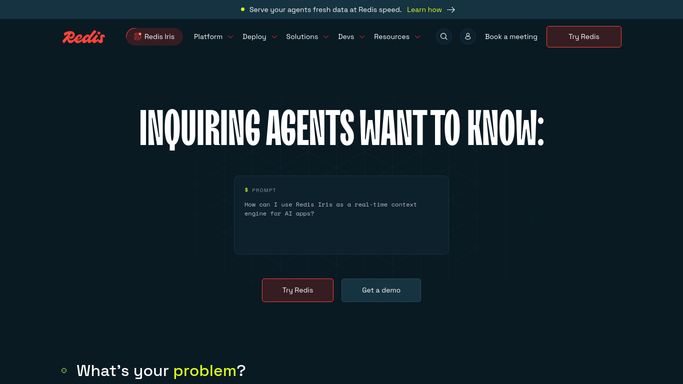
WebRun opens Redis to check memory usage and eviction rate. - Open Redis Cloud and list active databases
- Check each database's memory usage and eviction rate against your threshold
- Note which database is closest to running out of headroom
Done when Every active database has been checked against its memory threshold.
-
2
Google Sheets - export usage history
google.com How to Automate Google Sheets

WebRun opens Google Sheets to export usage history. - Add a new row for each database with its memory usage and eviction rate
- Keep history so usage trends are easy to track
Done when This check's usage numbers are logged for every database.
-
3
Gmail - email the alert
gmail.com How to Automate Gmail
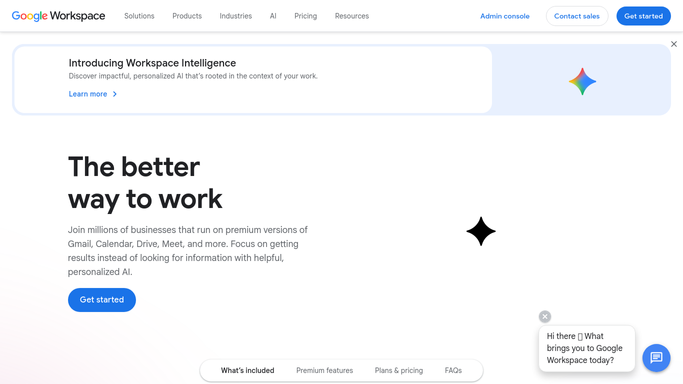
WebRun uses Gmail to email the alert. - Email an alert for any database over its memory threshold
- Name the database and how close it is to its plan limit
Done when An email alert has gone out for every database over threshold.
How is each run configured?
Secure by default
Connect once, stays signed in
WebRun signs in once and keeps each session in a persistent environment, so every run picks up right where it left off.
Every action is checked against this policy before it runs.
Questions, answered
Will it resize the database or change eviction policy on its own?
No. WebRun only reports usage against threshold. Resizing a database or changing its eviction policy is left to a human.
How does it decide a database needs an alert?
It compares each database's current memory usage and eviction rate against the threshold you set, so the alert reflects your own plan limits.
What if usage drops back down?
It reads live usage from Redis Cloud every run, so a database that's back under threshold stops triggering alerts automatically.
Related templates
Put this on autopilot.
Turn it on in minutes - or have our team set it up for you.