Turn last week's app changes into a changelog
Every Friday afternoon, WebRun opens each of your Lovable projects, reads the edits and publishes made during the week, writes a plain-English changelog card on your Trello release board, and sends the stakeholder group a short WhatsApp summary of what shipped and what is still unpublished.
- No credit card
- Under $0.01 per run
- Cancel anytime
How do I keep a weekly changelog of my Lovable projects?
WebRun opens your Lovable projects every Friday, reads the week's edit history, and separates what was published from what is still waiting. It writes a plain-English changelog card on your Trello release board, then sends stakeholders a WhatsApp summary of what shipped and what needs approval.
- Stakeholders learn what shipped without asking
- Unpublished changes are caught before the weekend
- A dated changelog builds up on the release board
Built for no-code builders · product teams · agencies · founders
What does WebRun do on every run?
The exact actions WebRun takes, in order - in plain language, so you can adjust anything.
-
WebRun signs in and gets to work
Opens
lovable.devin a real browser with your saved login - no setup, no API keys. -
1
Lovable - review the week's project changes
lovable.dev
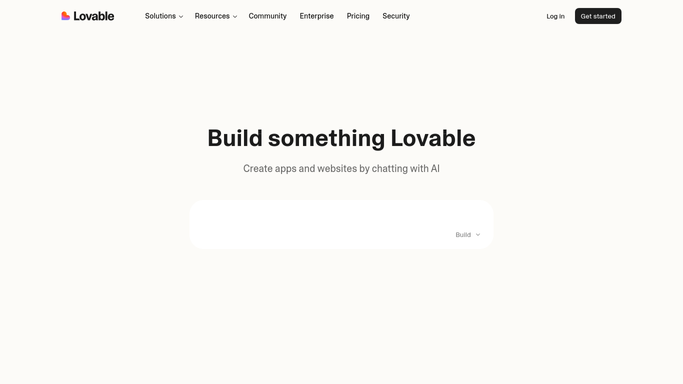
WebRun opens Lovable to review the week's project changes. - Open each project in your Lovable workspace
- Read the edit history for the last 7 days and note what changed on each screen or page
- Record which changes have been published live and which are still sitting unpublished
Done when Every project has this week's changes captured, split into published and unpublished.
-
2
Trello - write the changelog card
trello.com How to Automate Trello
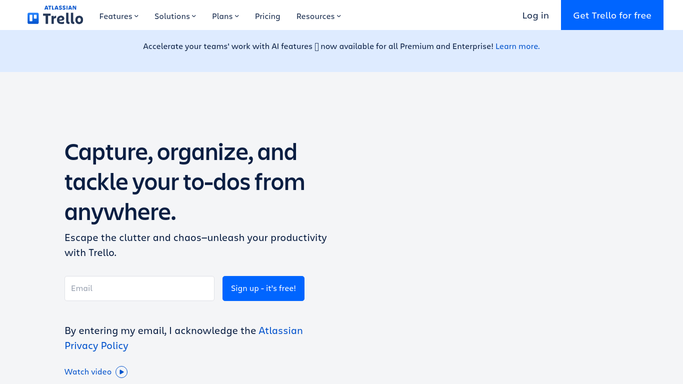
WebRun opens Trello to write the changelog card. - Create this week's changelog card on your release board, dated
- Write each change in plain English grouped by project, with the screen or page it affected
- Add a checklist of the unpublished changes so nothing waits over the weekend by accident
Done when This week's changelog card is on the release board with an unpublished checklist.
-
3
WhatsApp - summarise what shipped
whatsapp.com How to Automate WhatsApp

WebRun opens WhatsApp to summarise what shipped. - Send the stakeholder group a short summary of what shipped this week per project
- Name anything still unpublished and who needs to approve it
- Link back to the Trello changelog card for the full detail
Done when Stakeholders have this week's summary on WhatsApp.
How is each run configured?
Secure by default
Connect once, stays signed in
WebRun signs in once and keeps each session in a persistent environment, so every run picks up right where it left off.
Every action is checked against this policy before it runs.
Questions, answered
Will it publish or edit my app?
No. WebRun reads your project history and writes the changelog elsewhere. It never edits a project, never publishes, and never deploys, so nothing goes live because a report ran.
What does the changelog actually say?
Plain-English lines grouped by project, naming the screen or page that changed, written for a stakeholder rather than a developer. Give WebRun an example and it will match your format.
Can it cover more than one project?
Yes. It walks every project in the workspace you point it at and groups the changelog card by project, so a multi-app team gets one card instead of several.
Related templates
Put this on autopilot.
Turn it on in minutes - or have our team set it up for you.