Get a weekly Firebolt query cost scorecard
Every Monday, WebRun opens Firebolt, reads last week's compute cost, the slowest queries, and engine usage, exports the numbers into a Google Sheet, and emails the data platform team a summary over Gmail.
- No credit card
- Under $0.01 per run
- Cancel anytime
How do I get a weekly Firebolt query cost and performance report?
WebRun reads your Firebolt compute cost by engine, slowest queries, and engine usage every Monday, exports the numbers into a Google Sheet, and emails the data platform team a summary over Gmail. Data platform teams see cost and performance trends building over weeks instead of pulling a report by hand each time.
- Compute cost growth is visible weekly, not discovered on the bill
- The slowest queries are named every week, not just totals
- A full cost history builds up in Google Sheets automatically
Built for data platform teams · data engineering teams · finance and engineering ops
What does WebRun do on every run?
The exact actions WebRun takes, in order - in plain language, so you can adjust anything.
-
WebRun signs in and gets to work
Opens
firebolt.ioin a real browser with your saved login - no setup, no API keys. -
1
Firebolt - read cost and performance
firebolt.io
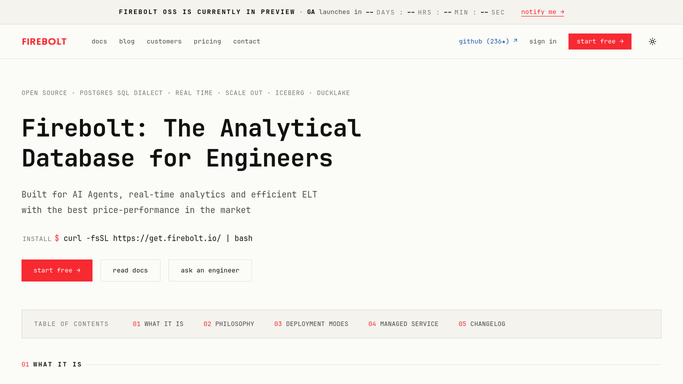
WebRun opens Firebolt to read cost and performance. - Open Firebolt and check last week's compute cost by engine
- Read the slowest queries and their run time
- Compare cost against the week before
Done when Last week's cost and performance are read and compared.
-
2
Google Sheets - export the numbers
google.com How to Automate Google Sheets

WebRun opens Google Sheets to export the numbers. - Open the cost tracker sheet in Google Sheets
- Add this week's compute cost and slowest queries as a new row
- Keep the week over week history in one sheet
Done when This week's numbers are a new row in the sheet.
-
3
Gmail - email a summary
gmail.com How to Automate Gmail
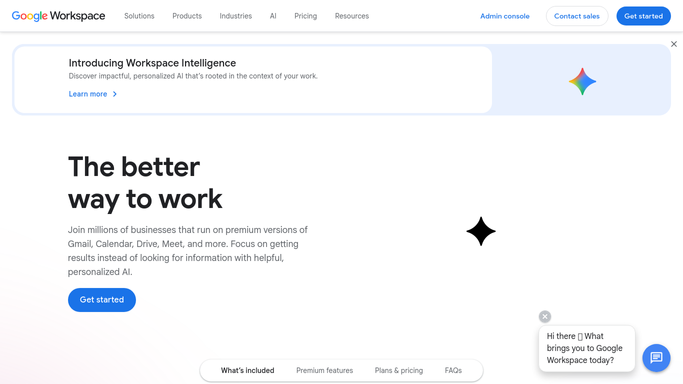
WebRun opens Gmail to email a summary. - Draft the cost and performance summary email
- List compute cost by engine and the slowest queries with the change from last week
- Send it to the data platform team
Done when The data platform team has this week's summary in their inbox.
How is each run configured?
Secure by default
Connect once, stays signed in
WebRun signs in once and keeps each session in a persistent environment, so every run picks up right where it left off.
Every action is checked against this policy before it runs.
Questions, answered
Does WebRun resize an engine or kill a query?
No. It only reads cost and performance data from Firebolt. Resizing an engine or tuning a query stays a data engineer's decision.
Where can I see the cost trend over time?
In the Google Sheets tracker. Every week adds a row, so compute cost growth is visible without pulling a fresh report.
Does the email go outside the platform team?
No. It only goes to the internal data platform distribution list you set up.
Related templates
Put this on autopilot.
Turn it on in minutes - or have our team set it up for you.