Keep a running trade history your accountant can use
Every Monday, WebRun opens Bitfinex, reads last week's trade history and ledger entries including deposits, withdrawals, and fees, appends each row to an Airtable base, and writes a running summary into Notion for your accountant.
- No credit card
- Under $0.01 per run
- Cancel anytime
How do I keep a running record of my crypto trades for my accountant?
WebRun opens Bitfinex every Monday and reads last week's trade history and ledger entries, including deposits, withdrawals, and fees. It appends every row to an Airtable base without duplicating past weeks and writes a running summary in Notion, so your accountant has a clean record instead of a year-end scramble.
- A complete trade and transfer record builds up week by week
- Fees are captured with every row instead of reconstructed later
- Year end starts from a finished sheet, not an exchange export
Built for crypto traders · accountants · treasury teams · investment bookkeepers
What does WebRun do on every run?
The exact actions WebRun takes, in order - in plain language, so you can adjust anything.
-
WebRun signs in and gets to work
Opens
www.bitfinex.comin a real browser with your saved login - no setup, no API keys. -
1
Bitfinex - read last week's history
bitfinex.com

WebRun opens Bitfinex to read last week's history. - Open Bitfinex and go to the reports area for your account
- Read the trade history for the last seven days with pair, side, price, amount, and fee
- Read the ledger entries for the same period, including deposits and withdrawals
- Note the timestamp and currency on every row so nothing is ambiguous later
Done when Every trade and ledger entry from last week has been captured with its details.
-
2
Airtable - append the ledger rows
airtable.com How to Automate Airtable
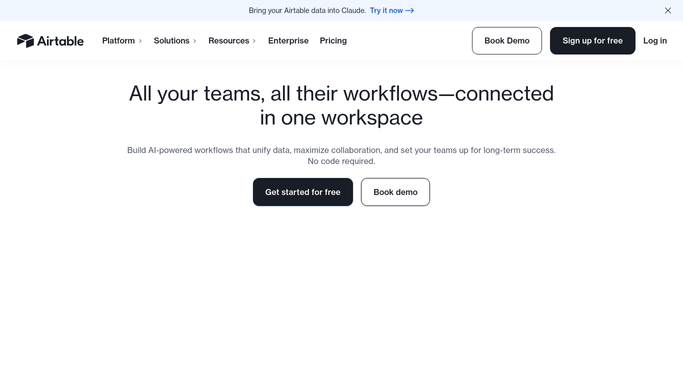
WebRun opens Airtable to append the ledger rows. - Append each trade to the Trades table in your Airtable base
- Append each deposit, withdrawal, and fee to the Ledger table
- Skip rows already recorded from a previous run so nothing is counted twice
- Keep the currency and timestamp on every row exactly as the exchange showed them
Done when Airtable holds one row per trade and per ledger entry, with no duplicates.
-
3
Notion - write the running summary
notion.so How to Automate Notion
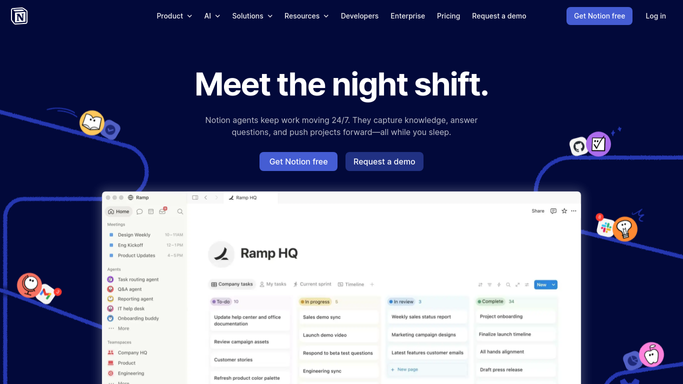
WebRun opens Notion to write the running summary. - Write a weekly page in Notion with the number of trades and total fees paid
- List the deposits and withdrawals for the week with dates and amounts
- Link to the Airtable base so the accountant can open the underlying rows
Done when The accountant has this week's summary in Notion with a link to the detail.
How is each run configured?
Secure by default
Connect once, stays signed in
WebRun signs in once and keeps each session in a persistent environment, so every run picks up right where it left off.
Every action is checked against this policy before it runs.
Questions, answered
Will it trade or withdraw anything?
No. WebRun only reads history. It never places an order, moves funds, or withdraws, and the Strict Lockdown policy blocks anything outside the pages it needs to read your reports.
Will rows get duplicated week to week?
No. WebRun checks the Airtable base for entries already recorded and appends only what is new, so a run that overlaps a previous week does not double-count a trade.
Does it calculate my tax position?
No, and it should not. WebRun records what the exchange shows: dates, amounts, currencies, and fees. Your accountant applies the tax treatment to that record.
Related templates
Put this on autopilot.
Turn it on in minutes - or have our team set it up for you.