How to Automate Campspot
Campspot emails confirmations and pre-arrival notes on its own, and its Auto-Charge Balance rule charges the card on file at least 72 hours before arrival. An AI agent such as WebRun takes the office's remaining follow-ups: waitlist offers when a site cancels, balances still open three days out and reminders about the park's activities, all left as Gmail drafts.
 Written by
Rosa Lindqvist
Operations editor
 Reviewed by
Yara Haddad
Data operations
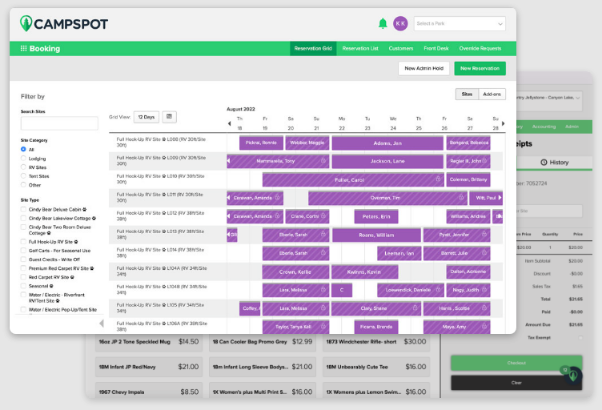
Campspot is both the park's reservation grid and the marketplace campers search
Campspot is reservation and management software for campgrounds and RV parks, made by Rezplot Systems in Grand Rapids, and every park on it also gets a free listing on campspot.com, the marketplace where campers find a site and book it without calling the office.
In the office, the grid holds every site and every stay. Guests add firewood or golf cart rentals while they book, can pay a lock fee to keep a specific site, and can cancel or change dates online where the park allows it. Long-stay guests get recurring bills, and the cleaning crew works from a housekeeping dashboard. The office manager keeps that grid open all day, and so does whoever answers the phone.
A sold-out Fourth of July weekend keeps the phone ringing anyway
The Fourth of July weekend sold out in February, and the phone still rings every day with campers asking to be called if anything opens. The office manager keeps their names, rig lengths and numbers on a legal pad or a spreadsheet, and when a family cancels on a Tuesday, working out who gets the site takes most of an afternoon.
Three days before arrival, a few balances are still open: an expired card, or a reservation made before the park set up automatic charging. Each family needs an email with the amount and a way to pay before they pull in.
The activities director plans a hayride, a craft hour and a Saturday movie, and plenty of families on site never hear about them. A reservation the front desk takes over the phone gets its confirmation when someone remembers to send it, with directions to the park and the firewood they ordered.
Campspot confirms online bookings and charges balances before arrival
Campspot's automated messages start with the Confirmation Email, sent on its own when a camper books on the consumer site, and continue with a pre-arrival email, pre-departure and post-departure emails and online check-in. Express Check-in collects e-signatures and contactless payment while sharing automated guest messages, and the office can text guests from Campspot or hold two-way conversations through SimpleTexting.
The Auto-Charge Balance rule collects outstanding balances 72 hours or more before arrival, and the guest gets an email with the amount first. Parks that turn on Dynamic Pricing let a business rules engine set rates, Automatic Grid Optimization shifts reservations in real time to fit more stays, and Campspot Analytics sends scheduled CSV reports to an inbox. Campspot has also added AI occupancy prediction and pricing recommendations, and parks that use Insider Perks on a Campspot plan with API access can take bookings by AI chat and phone around the clock.
Those tools all work on reservations. The waitlist of callers lives wherever the office keeps it, the activities schedule wherever the director writes it, and a balance the Auto-Charge rule could not collect sits on the reservation until somebody writes to the guest.
Last night's cancellations arrive in Slack with the campers who fit them
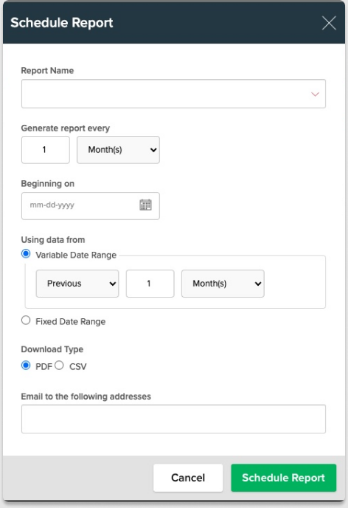
The office manager's Slack summary lists every cancellation since yesterday with the waiting camper it fits best, matched on dates and site type and then on how long they have waited, with peak-season sites at the top. Each offer is a Gmail draft naming the site, the dates and the nightly rate, with a date by which to book.
The front desk sends a draft to each guest whose balance is still open three days before arrival, with the amount, the arrival date and the Campspot payment link, and Slack shows the total outstanding. New reservations that never received Campspot's confirmation get one drafted too, with the site number, check-in time, directions and any firewood or golf cart add-ons.
Each morning the activities director's drafts match the next 24 hours of events to the guests who will be in the park when they run, so a family with the hayride and the movie on the same day gets one email covering both.
Offers and balance notes reach campers from the office's own Gmail
All four jobs run each morning, three at seven and the balance check at eight. WebRun is an AI agent that works a real Chrome browser, signed in as you. Reservations, balances, cancellations and the activities schedule are what it reads, and its output is Gmail drafts and a Slack summary.
The office manager picks the camper for each cancelled site and books them in Campspot; the agent's part ends at the draft. The confirmation check skips any reservation Campspot has already emailed, and the balance check only sees arrivals within three days, after the Auto-Charge rule has already tried the card on file.
Questions people ask
What does the cancellation check match waiting campers on?
Dates first, then site type, then how long each camper has waited. It reads the list your office already keeps, such as a spreadsheet or a shared document, against the night's cancellations in Campspot.
Does the balance check charge anyone's card?
Charging stays with the Auto-Charge Balance rule and your staff. The check lists reservations arriving within three days that still show a balance and drafts an email with the Campspot payment link, so the guest pays it themselves.
Why would a new reservation have no confirmation email?
Campspot sends its Confirmation Email on its own when a camper books on the consumer site, so the gaps are reservations made in the admin site, such as a booking the front desk took by phone. The check looks only at reservations since the previous morning with no confirmation email yet.
Sources
- Campground Management and Operations | Campspot Software Lists the Auto-Charge Balance Rule, recurring guest billing, guest self-service edits, the housekeeping dashboard, user-created business rules, one-way texting and two-way texting through SimpleTexting.
- Increase Campground Revenue | Campspot Software Describes Dynamic Pricing as a business rules engine, Automatic Grid Optimization shifting reservations in real time, Lock Site, reservation add-ons and free listings on the Campspot Marketplace.
- Data and Reporting for Campgrounds | Campspot Software Covers Campspot Analytics dashboards such as the Pace Report, scheduled CSV reports by email, and Signals benchmarking against an anonymized comp set.
- Guest Experience | Campspot Software Describes Express Check-in, which collects electronic signatures and contactless payment while sharing automated guest messages, and online cancellation and date changes.
- Campspot Introduces Auto-Charge Balance Rule - Modern Campground Modern Campground, February 1, 2024: the rule collects outstanding balances with the charge set 72 hours or more before arrival, and guests get an email naming the amount first.
- Campspot Expands AI Integration to 24/7 Phone Reservations - Woodall's Campground Magazine Woodall's, August 19, 2025: AI chat and phone booking through Insider Perks, for parks that are Insider Perks customers on a Campspot plan with API access.
- Campspot's 'Year in Review' Highlights Automation, Analytics - Woodall's Campground Magazine Woodall's, January 16, 2026: Campspot's 2025 review, naming new AI-powered occupancy prediction and pricing recommendations.
4 ready-made Campspot workflows
Each one names the apps it touches and the exact steps it takes. Open one to read what it will do, then turn it on.
Want one of these running on your own Campspot?
Show WebRun the process once and it will run it on schedule, in your own private browser environment.