See where your visual tests keep breaking
Every Monday, WebRun opens Applitools Eyes, reads every test batch from the last seven days, counts passed, failed and unresolved steps per application, browser and viewport, writes the numbers into an Airtable trend base, and files a written summary in Google Drive ahead of your QA review.
- No credit card
- Under $0.01 per run
- Cancel anytime
How do I report on Applitools visual test results each week?
WebRun opens Applitools Eyes every Monday and reads every test batch from the past week, counting passed, failed and unresolved steps per application, browser and viewport. It stores the numbers in an Airtable trend base and files a written report in Google Drive, so QA review starts with evidence instead of anecdotes.
- QA review opens with a written report instead of a live dashboard scroll
- Flaky tests that fail on several days are named separately from real regressions
- A week over week trend builds up in Airtable rather than vanishing with each batch
Built for QA engineers · test automation leads · engineering managers · release managers
What does WebRun do on every run?
The exact actions WebRun takes, in order - in plain language, so you can adjust anything.
-
WebRun signs in and gets to work
Opens
eyes.applitools.com/app/loginin a real browser with your saved login - no setup, no API keys. -
1
Applitools - read last week's test batches
applitools.com
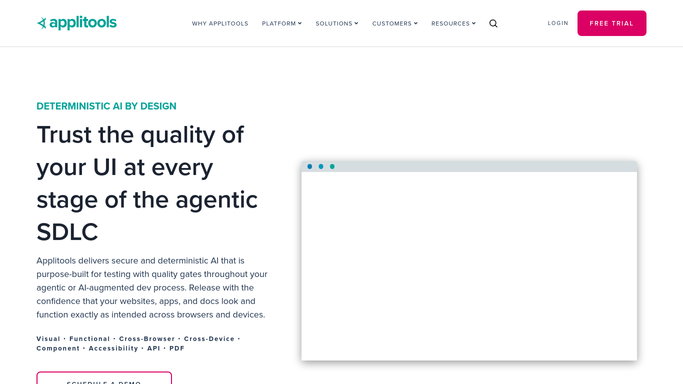
WebRun opens Applitools to read last week's test batches. - Sign in to Applitools Eyes and open the test results view
- Filter batches to the last seven days
- For each batch, record the application, branch, and the counts of passed, failed, and unresolved tests
- Break the counts down by browser and viewport where the batch reports them
- Note which test names failed or came back unresolved more than once during the week
Done when Every batch from the last week is summarised with its pass, fail and unresolved counts.
-
2
Airtable - record the pass and fail trend
airtable.com How to Automate Airtable
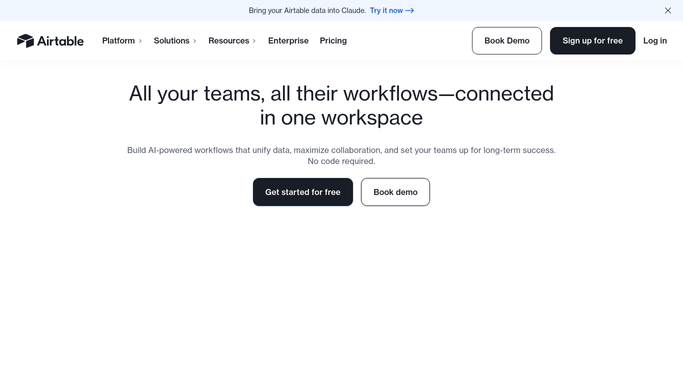
WebRun opens Airtable to record the pass and fail trend. - Open your visual testing trend base in Airtable
- Add one row per application and week with pass, fail, and unresolved counts
- Add a repeat offenders table listing test names that failed on more than one day
- Compare against the previous week and store the delta on each row
- Keep history so the base builds a real trend rather than a snapshot
Done when This week's counts and deltas are stored in the Airtable trend base.
-
3
Google Drive - file the written QA report
drive.google.com How to Automate Google Drive
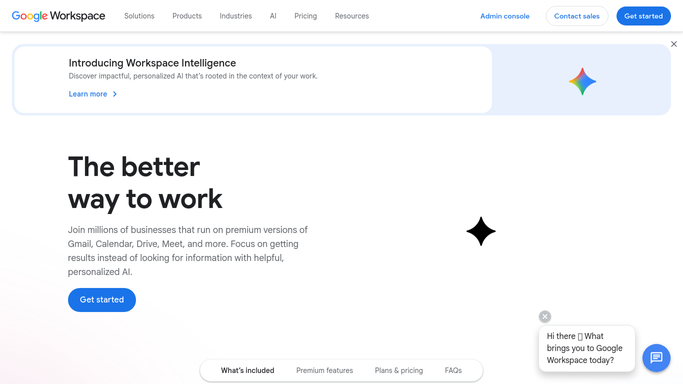
WebRun opens Google Drive to file the written QA report. - Open your QA reports folder in Google Drive
- Create this week's report document with the headline counts at the top
- List the repeat offending tests with their application and browser
- Note which browsers and viewports account for most of the failures
- Name the file with the week ending date so the folder stays sortable
Done when This week's written report is filed in the Drive folder.
How is each run configured?
Secure by default
Connect once, stays signed in
WebRun signs in once and keeps each session in a persistent environment, so every run picks up right where it left off.
Every action is checked against this policy before it runs.
Questions, answered
Will it accept or reject a visual diff?
No. WebRun only reads results and reports on them. Accepting a baseline or rejecting a diff stays a human call, so no unintended change ever becomes the new baseline.
Does it work across several applications?
Yes. It walks every application and branch visible in your Applitools account and stores one Airtable row per application per week, so multi-app teams get one trend.
What counts as a repeat offender?
Any test name that failed or came back unresolved on more than one day of the week. Those are listed separately in the report because they usually point at a flaky test, not a real regression.
Related templates
Put this on autopilot.
Turn it on in minutes - or have our team set it up for you.