Turn Appian process errors into triage cards
Every morning, WebRun signs in to Appian, reviews process instances that ended in an error or exception overnight, creates a Trello triage card for each new one with the process name and the failure detail, and drafts the on-call owner a WhatsApp summary of what broke.
- No credit card
- Under $0.01 per run
- Cancel anytime
How do I track Appian process errors without watching the monitor?
WebRun signs in to Appian each morning, collects the process instances that errored or raised exceptions overnight, groups repeats of the same fault, opens one Trello triage card per new failure, and drafts the on-call owner a WhatsApp summary ranked by how often each fault occurred.
- Overnight failures are on the board before the team logs in
- Recurring faults are counted, not duplicated across dozens of cards
- The on-call owner starts the day knowing exactly what broke
Built for Appian developers · process owners · IT operations teams · shared service centres
What does WebRun do on every run?
The exact actions WebRun takes, in order - in plain language, so you can adjust anything.
-
WebRun signs in and gets to work
Opens
appian.comin a real browser with your saved login - no setup, no API keys. -
1
Appian - find failed process instances
appian.com
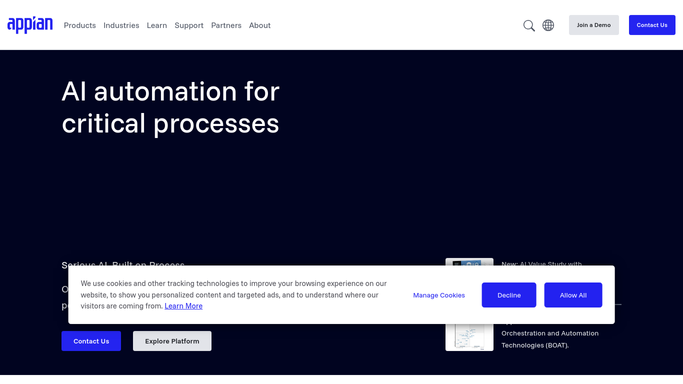
WebRun opens Appian to find failed process instances. - Sign in to Appian and open your process monitoring view
- Filter instances to those that ended in an error or raised an exception since the last run
- Capture the process model name, the instance identifier, the start time and the error text
- Group repeats of the same failure so one recurring fault is one item, with a count
Done when Every errored instance since the last run is captured with its process and failure text.
-
2
Trello - open a triage card each
trello.com How to Automate Trello
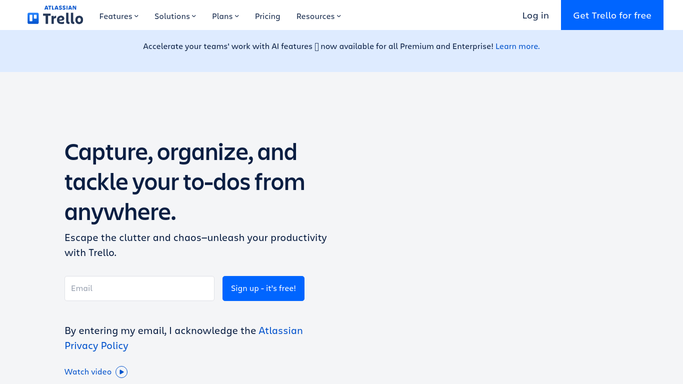
WebRun opens Trello to open a triage card each. - Open your triage board in Trello
- Check the board for an existing open card before creating anything, so a known fault is not duplicated
- Create a card in the Triage list for each new failure, titled with the process name and the error
- Put the instance identifier, the timestamp and the occurrence count in the card description
- Label recurring faults so they stand out from one-off errors
Done when Every new failure has exactly one Trello card and repeats are counted on the existing card.
-
3
WhatsApp - brief the on-call owner
whatsapp.com How to Automate WhatsApp

WebRun opens WhatsApp to brief the on-call owner. - Draft a short WhatsApp message listing what failed overnight and which cards were opened
- Put the highest occurrence count first
- Leave the message as a draft for the on-call owner to send or forward, so nothing goes out to a customer or supplier on its own
- Say clearly when the night was clean
Done when The on-call owner has a drafted summary of overnight failures and their cards.
How is each run configured?
Secure by default
Connect once, stays signed in
WebRun signs in once and keeps each session in a persistent environment, so every run picks up right where it left off.
Every action is checked against this policy before it runs.
Questions, answered
Will it restart or cancel a process instance?
No. WebRun only reads Appian and writes triage cards in Trello. It never retries, cancels or edits a process instance, so any recovery action stays a deliberate human decision.
Will it send the WhatsApp message on its own?
No. The summary is drafted and left for the on-call owner to review and send. Only the internal Trello cards are created without asking.
What stops the same fault filling the board?
WebRun checks Trello for an open card before creating one. A repeat of a known fault updates the occurrence count on the existing card instead of opening a second one.
Related templates
Put this on autopilot.
Turn it on in minutes - or have our team set it up for you.