See which articles keep coming back, and why
Every Monday, WebRun signs into your Zalando seller account, pulls last week's returns, groups them by article and return reason, works out each article's return rate against orders, writes the breakdown into Notion, and opens a Trello card for the articles doing the most damage.
- No credit card
- Under $0.01 per run
- Cancel anytime
How do I find out which products drive the most returns?
Every Monday WebRun opens your Zalando seller account, reads last week's returns, and groups them by article and reason. It writes the breakdown into Notion with each article's return rate and opens a Trello card for the worst offenders, so listings get fixed instead of quietly losing money.
- The articles driving returns are named every Monday
- Return rates are weighted against orders, not raw counts
- Each problem listing arrives with its dominant return reason
Built for marketplace sellers · merchandisers · fashion brands · ecommerce managers
What does WebRun do on every run?
The exact actions WebRun takes, in order - in plain language, so you can adjust anything.
-
WebRun signs in and gets to work
Opens
zalando.comin a real browser with your saved login - no setup, no API keys. -
1
Zalando - read last week's returns
zalando.com
WebRun opens Zalando to read last week's returns. - Sign into your Zalando seller account and pull the returns from the week that closed
- Record the article, the size, the return reason, and the order it came from
- Count orders per article in the same period, so a return rate can be calculated
Done when Every return from last week is recorded with its article, size, and reason.
-
2
Notion - file the breakdown by article
notion.so How to Automate Notion
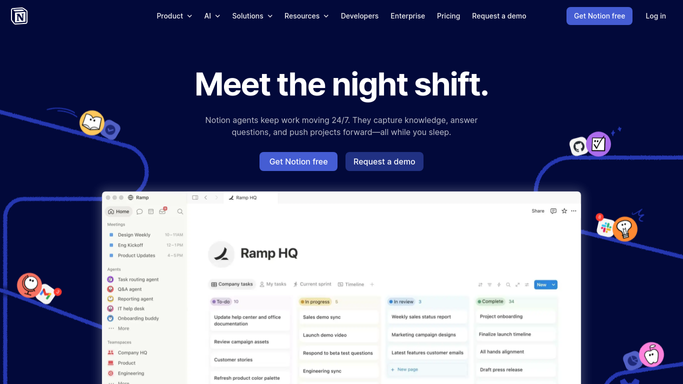
WebRun opens Notion to file the breakdown by article. - Write a dated page in your merchandising database in Notion
- Group returns by article, then by reason, with the return rate beside each
- Compare against the previous week so a rising article stands out
Done when This week's return breakdown is in Notion with rates and reasons.
-
3
Trello - queue the worst listings
trello.com How to Automate Trello
WebRun opens Trello to queue the worst listings. - Open a Trello card for each article above your return-rate limit
- Put the dominant reason in the card title, such as sizing or description mismatch
- Leave the card for a merchandiser to decide. WebRun never edits or delists an article itself
Done when Every article over the limit has a card naming its dominant return reason.
How is each run configured?
Secure by default
Connect once, stays signed in
WebRun signs in once and keeps each session in a persistent environment, so every run picks up right where it left off.
Every action is checked against this policy before it runs.
Questions, answered
Will it change or delist my articles?
No. WebRun reads returns and writes a report. Every listing change stays a human decision, queued as a Trello card with the evidence behind it.
Does it contact customers who returned something?
No. It never emails or messages a buyer. The only outputs are an internal Notion page and internal Trello cards for your own team.
How does it calculate the return rate?
It counts returns against orders for the same article in the same week, so a slow-selling article with two returns is not ranked beside a bestseller with twenty.
Related templates
Put this on autopilot.
Turn it on in minutes - or have our team set it up for you.