Catch Make connections about to stop authorizing
Every morning, WebRun signs in to Make, checks each connection for authorization warnings and stale tokens, books a short reauthorization slot in Google Calendar for the owner, and posts the at-risk list to Microsoft Teams before a scenario breaks.
- No credit card
- Under $0.01 per run
- Cancel anytime
How do I find Make connections that are about to stop working?
WebRun audits your Make connections every morning, spotting authorization warnings, stale tokens, and runs that already failed on a sign-in error. It books a reauthorization slot in Google Calendar for each one and posts the at-risk list to Microsoft Teams, ranked by how many scenarios would break.
- Expiring connections get fixed before a scenario fails
- Every at-risk connection arrives with a booked slot to repair it
- The team sees blast radius, not just an error code
Built for automation owners · ops teams · agencies · RevOps
What does WebRun do on every run?
The exact actions WebRun takes, in order - in plain language, so you can adjust anything.
-
WebRun signs in and gets to work
Opens
www.make.com/en/loginin a real browser with your saved login - no setup, no API keys. -
1
Make.com - audit connection health
make.com
WebRun opens Make to audit connection health. - Open Make and list every connection in the team
- Note which ones show an authorization warning or a verification prompt
- Record when each connection was last reauthorized and which scenarios depend on it
- Check recent scenario history for runs that failed on an authorization error
Done when Every connection has a health status and the scenarios it feeds.
-
2
Google Calendar - book the reauth slot
calendar.google.com How to Automate Google Calendar
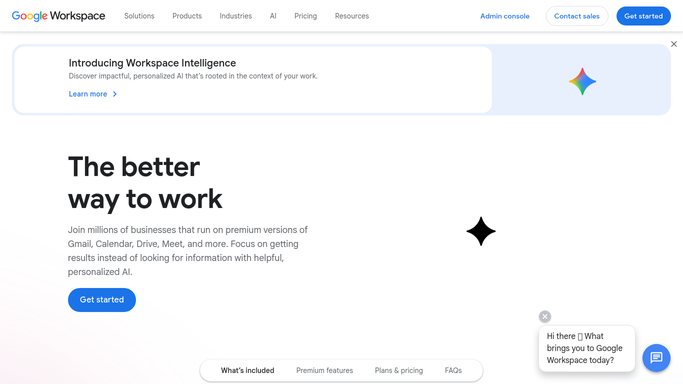
WebRun opens Google Calendar to book the reauth slot. - Create a short private hold for each connection that needs reauthorizing
- Title it with the connection name and the scenarios at risk
- Place the hold before the next scheduled run of the busiest dependent scenario
- Skip creating a hold if one for the same connection is already on the calendar
Done when Every at-risk connection has a reauthorization slot on the calendar.
-
3
Microsoft Teams - flag the at-risk connections
microsoft.com How to Automate Microsoft Teams

WebRun opens Microsoft Teams to flag the at-risk connections. - Post the at-risk connection list to your automation channel
- Order it by how many scenarios each connection would take down
- Include the booked slot time and the last successful run
- Keep the post internal. WebRun never reauthorizes or edits a connection itself
Done when The team has today's connection risk list in Teams.
How is each run configured?
Secure by default
Connect once, stays signed in
WebRun signs in once and keeps each session in a persistent environment, so every run picks up right where it left off.
Every action is checked against this policy before it runs.
Questions, answered
Will it reauthorize a connection on its own?
No. Reauthorizing means signing in to a third-party account, so WebRun never does it. It reports which connections need attention and books you the time to do it yourself.
How does it know which connections matter most?
It counts the scenarios each connection feeds and ranks the list by blast radius, so a connection powering five live scenarios sits above one powering a single draft.
Does it turn off scenarios that are already broken?
No. WebRun only reads scenario history to spot authorization errors. Pausing, editing, or deleting a scenario stays entirely in your hands.
Related templates
Put this on autopilot.
Turn it on in minutes - or have our team set it up for you.