Escalate livestock delays before the plant window closes
Every hour, WebRun opens M2X, reads each inbound load's live ETA against the plant's closing time, identifies delays that put the processing window at risk, posts them to the dispatch Slack channel, and escalates the loads with the least buffer to the on-call manager on Telegram.
- No credit card
- Under $0.01 per run
- Cancel anytime
What does WebRun do on every run?
The exact actions WebRun takes, in order - in plain language, so you can adjust anything.
-
WebRun signs in and gets to work
Opens
www.m2xgroup.comin a real browser with your saved login - no setup, no API keys. -
1
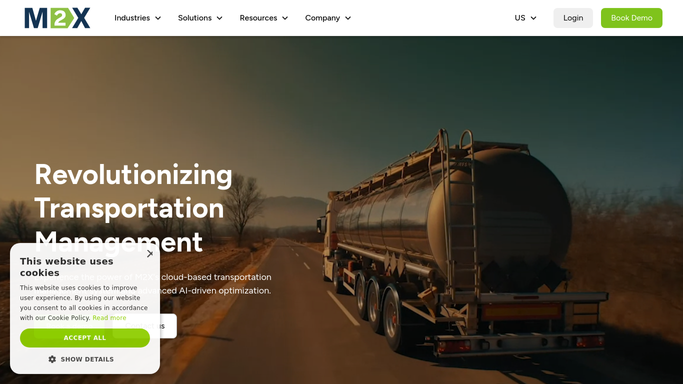
M2X - spot delays risking the processing window
m2xgroup.com How to Automate M2X

WebRun opens M2X to spot delays risking the processing window. - Open M2X and list loads inbound to a processing plant today
- Read each load's live ETA and the plant's processing window closing time
- Flag loads whose ETA leaves little or no buffer before the window closes
- Note the plant, load, head, driver, and minutes of buffer remaining
Done when Every inbound load has its buffer to the processing window closing time calculated.
-
2
Slack - alert dispatch on at-risk loads
slack.com How to Automate Slack
WebRun opens Slack to alert dispatch on at-risk loads. - Post the at-risk loads to the dispatch channel
- List the plant, truck, head, and remaining buffer for each
- Order them by least buffer first so dispatch acts on the tightest load
Done when Dispatch has a Slack list of every load at risk of missing its processing window.
-
3
Telegram - escalate the most urgent to on-call
telegram.org How to Automate Telegram
WebRun opens Telegram to escalate the most urgent to on-call. - Escalate only the loads with no safe buffer to the on-call manager on Telegram
- Include the plant, driver, head, and how far behind the load is
- Keep this to genuine escalations so the on-call channel stays signal, not noise
Done when The on-call manager has a Telegram escalation for each load likely to miss its window.


How do I automatically escalate livestock delays that risk the processing window?
Every hour WebRun opens M2X, reads each inbound load's live ETA against the plant's closing time, and flags delays that put the processing window at risk. It posts them to the dispatch Slack channel ranked by least buffer and escalates the tightest loads to the on-call manager on Telegram, so a slipping delivery gets attention early.
- At-risk loads reach dispatch an hour or more before the window closes
- Only genuinely tight loads page the on-call manager
- Loads that recover time clear themselves off the escalation
Built for livestock haulers · cattle transporters · fleet dispatchers · on-call managers
How is each run configured?
Secure by default
Connect once, stays signed in
WebRun signs in once and keeps each session in a persistent environment, so every run picks up right where it left off.
Every action is checked against this policy before it runs.
Questions, answered
Does the escalation reach the plant or a customer?
No. Both the Slack alert and the Telegram escalation go to your own dispatch team and on-call manager. WebRun never contacts the plant or a customer, so these internal escalations post automatically.
How does it decide what to escalate to on-call?
It escalates only loads whose live ETA in M2X leaves no safe buffer before the plant's window closes. Loads that still have room stay on the Slack list and do not page the on-call manager.
What if a delayed load recovers time?
It re-reads each load's live ETA in M2X every hour, so a load that makes up time and regains its buffer drops off the at-risk list and the on-call escalation automatically.
Related templates
Put this on autopilot.
Turn it on in minutes - or have our team set it up for you.