Automated Kissflow Workflow Bottleneck Reports
Every Monday, WebRun opens Kissflow, reads the past week of requests across your processes, measures how long each workflow step held them and who was assigned, records the timings in Airtable, and posts a Notion scorecard naming the single slowest step in each process.
How do I find the bottleneck step in a workflow?
WebRun scores your Kissflow processes every Monday. It reads the past week of requests, measures how long each workflow step held them and who was assigned, stores the timings in Airtable, and publishes a Notion scorecard naming the slowest step in every process with its trend.
- The slowest step is named, so the workflow is fixed rather than chased
- Every process gets a median and longest wait per step, week over week
- Improvements after a redesign show up as a visible trend
Built for process owners · operations leads · business analysts · shared services teams
What does WebRun do on every run?
The exact actions WebRun takes, in order - in plain language, so you can adjust anything.
-
WebRun signs in and gets to work
Opens
app.kissflow.comin a real browser with your saved login - no setup, no API keys. -
1
Kissflow - measure time per workflow step
kissflow.com

WebRun opens Kissflow to measure time per workflow step. - Sign in to Kissflow and open each process you want measured
- Read the requests from the past week with their current status and step history
- Work out how long each request sat at each workflow step, and note the assignee holding it
- Separate requests that completed from ones still open at a step
Done when Every request from the past week has a per-step duration and assignee.
-
2
Airtable - store the week's timings
airtable.com
WebRun opens Airtable to store the week's timings. - Open the process metrics base in Airtable
- Write one row per process and step with this week's median wait, longest wait, and request count
- Keep previous weeks in place so a step getting slower shows as a trend rather than a one off
Done when Airtable holds this week's timings alongside the previous weeks.
-
3
Notion - publish the bottleneck scorecard
notion.so
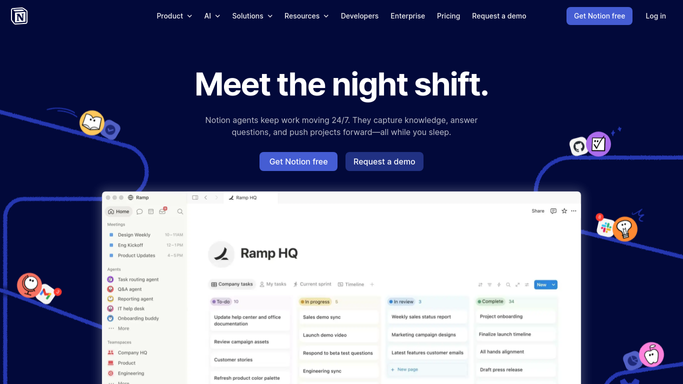
WebRun opens Notion to publish the bottleneck scorecard. - Post a short scorecard to the operations page in Notion
- Name the slowest step in each process, its median wait, and who most often holds it
- Show the change against last week so an improvement after a redesign is visible
Done when The scorecard for this week is published in Notion.
How is each run configured?
Secure by default
Connect once, stays signed in
WebRun signs in once and keeps each session in a persistent environment, so every run picks up right where it left off.
Every action is checked against this policy before it runs.
Questions, answered
Will it approve or reassign anything in Kissflow?
No. WebRun reads request history and reports timings. Approving a request, reassigning a step, or editing a process is left to the people who own it, and nothing is changed inside Kissflow.
Does it cover more than one process?
Yes. It walks every process you point it at and reports the slowest step in each, so a scorecard covers procurement, onboarding, and expenses in one weekly read rather than three.
How does it separate a slow step from a slow week?
Airtable keeps the previous weeks, so the scorecard shows this week's median wait against last week's. A step that is consistently slowest across several weeks is the one worth redesigning.
Related templates
Put this on autopilot.
Turn it on in minutes - or have our team set it up for you.